
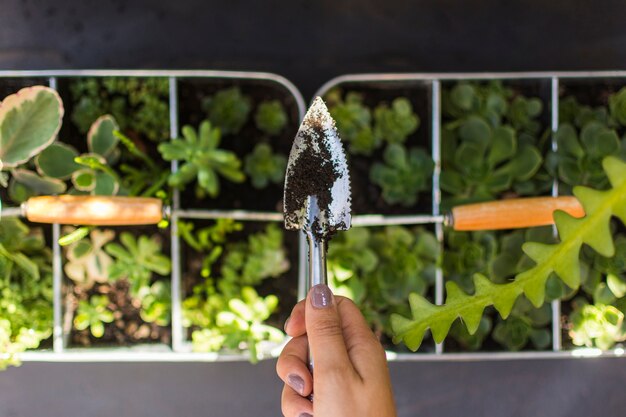
Yes, grass clippings can be a valuable addition to your raised garden beds. When used correctly, grass clippings can help improve soil fertility, retain moisture, and suppress weeds.
One important thing to keep in mind is to use only grass clippings from untreated lawns. Avoid using clippings from lawns that have been treated with herbicides or pesticides, as these chemicals can harm your plants and soil health.
To use grass clippings in your raised garden beds, spread a thin layer over the soil and mix it in with a garden fork. This will help the clippings break down faster and release their nutrients into the soil.
Overall, using grass clippings in your raised garden beds can be a cost-effective and eco-friendly way to improve soil quality and promote plant growth. Just remember to use them wisely and in moderation to avoid any potential issues.
Are Grass Clippings Good for Raised Garden Beds
Yes, grass clippings can be a great addition to your raised garden beds. When used properly, grass clippings can help improve soil structure, retain moisture, suppress weeds, and provide valuable nutrients to your plants.
However, it’s important to use grass clippings in moderation and follow some guidelines to ensure they benefit your garden beds. Make sure the grass clippings you use are not from lawns treated with chemicals or pesticides. It’s also a good idea to let the grass clippings dry out before applying them to your garden beds to prevent them from matting and creating a barrier that can hinder water and air circulation.
Benefits of Using Grass Clippings in Raised Garden Beds
Using grass clippings in raised garden beds can provide numerous benefits for your plants and soil. Here are some of the advantages:
1. Nutrient-Rich Mulch
Grass clippings can serve as a nutrient-rich mulch, providing essential nutrients like nitrogen, potassium, and phosphorus to your plants as they decompose. This can help improve soil fertility and promote healthy growth.
2. Weed Suppression
Applying a layer of grass clippings as mulch in your raised garden beds can help suppress weed growth by blocking out sunlight and preventing weed seeds from germinating. This can save you time and effort in maintaining your garden.
- Enhanced Soil Moisture Retention: Grass clippings can also help retain moisture in the soil by acting as a protective barrier against evaporation. This can help reduce the need for frequent watering and ensure your plants receive consistent moisture levels.
- Improved Soil Structure: As grass clippings break down, they can also improve soil structure by adding organic matter and promoting microbial activity. This can create a healthy environment for beneficial soil organisms and improve overall soil health.
Overall, incorporating grass clippings into your raised garden beds can be a cost-effective and sustainable way to enhance the health and productivity of your garden. Just be sure to use clippings from untreated grass that has not been treated with pesticides or herbicides for best results. Happy gardening!
How to Apply Grass Clippings to Raised Garden Beds
To effectively use grass clippings in your raised garden beds, make sure they are from a lawn that has not been treated with herbicides or pesticides. These chemicals can harm your plants and soil over time.
Spread a layer of grass clippings about 2-3 inches thick on top of the soil in your raised beds. This will help retain moisture, suppress weeds, and add nutrients to the soil as the clippings decompose.
Turning the Grass Clippings
Every few weeks, gently turn the grass clippings with a garden fork to aerate the pile and speed up decomposition. This will prevent the clippings from matting together and creating a barrier that water and air cannot penetrate.
Continue to add grass clippings throughout the growing season, building up layers as needed. Remember to mix in other organic matter like kitchen scraps or compost to maintain a balanced nutrient profile in the soil.
Potential Issues with Using Grass Clippings in Raised Garden Beds

When considering using grass clippings in raised garden beds, it is important to be aware of potential issues that may arise. While grass clippings can provide nutrients and moisture to the soil, there are some drawbacks to using them in your garden beds.
One major issue to be aware of is the risk of introducing weed seeds into your garden. Grass clippings often contain weed seeds that can germinate and compete with your desired plants for nutrients and sunlight. To prevent this, it is recommended to only use grass clippings from a lawn that is free of weeds.
Another issue to consider is the potential for grass clippings to clump together and create a barrier that prevents water and air from reaching the roots of your plants. This can lead to waterlogged soil and root rot in your garden beds. To avoid this, make sure to spread the grass clippings out evenly and mix them into the soil.
Additionally, grass clippings can release excess nitrogen as they decompose, which can lead to nutrient imbalances in your soil. This can cause issues such as stunted growth or nutrient deficiencies in your plants. To prevent this, it is recommended to use grass clippings in moderation and supplement with other organic materials to maintain a balanced soil environment.
In conclusion, while grass clippings can be a beneficial addition to raised garden beds, it is important to be aware of the potential issues they may bring. By being mindful of these issues and taking precautions, you can effectively use grass clippings to improve the health and productivity of your garden beds.
Mixing Grass Clippings with Other Compost Materials
When incorporating grass clippings into your raised garden beds, it is essential to balance them with other compost materials to create a nutrient-rich mix. One effective way to achieve this balance is by mixing grass clippings with kitchen scraps, such as fruit and vegetable peelings. These kitchen scraps provide a variety of nutrients that can complement the nitrogen-rich grass clippings.
In addition to kitchen scraps, dried leaves and shredded paper can also be added to the mix to improve aeration and create a healthy environment for beneficial microorganisms. The combination of grass clippings, kitchen scraps, dried leaves, and shredded paper creates a diverse compost material that can enrich the soil in your raised garden beds.
Furthermore, adding some soil from your garden can introduce beneficial microorganisms that are essential for breaking down organic matter and releasing nutrients into the soil. This soil inoculant can help kickstart the decomposition process and improve the overall fertility of your raised garden beds.
Overall, mixing grass clippings with other compost materials is a great way to enhance the nutrient content of your raised garden beds and promote healthy plant growth. Experiment with different ratios of grass clippings to other compost materials to find the perfect balance for your specific gardening needs.
Keeping Grass Clippings from Smothering Plants in Raised Garden Beds

One effective way to prevent grass clippings from smothering plants in raised garden beds is to use a thin layer of clippings as mulch. This thin layer will allow air and water to reach the soil, while still providing the benefits of mulch such as weed suppression and moisture retention.
Another option is to let the grass clippings dry out before adding them to your garden. This will reduce the risk of clumping and ensure that the clippings break down more easily, providing nutrients to your plants without suffocating them.
One key tip to keep in mind is to avoid piling up thick layers of grass clippings around plant stems. This can create a barrier that blocks air and water, leading to potential issues like rot and disease. Instead, spread out the clippings evenly and maintain a thin layer to protect your plants.
Lastly, consider mixing grass clippings with other organic materials like leaves or compost to create a balanced mulch mixture. This will not only enrich the soil but also prevent excessive clumping and matting of the clippings, allowing for better air and water circulation in your raised garden beds.
When to Avoid Using Grass Clippings in Raised Garden Beds
Avoid using grass clippings in raised garden beds if the grass has been treated with herbicides or pesticides. These chemicals can linger in the clippings and harm your plants.
If the grass clippings are from a lawn that is not well-maintained and contains weeds, it is best to avoid using them in your raised garden beds. The weeds can spread and compete with your vegetables for nutrients.
Additionally, if the grass clippings are wet or have started to mold, it is best to avoid using them in your raised garden beds. Moldy clippings can introduce harmful bacteria and fungi to your soil, causing damage to your plants.
Tips for Maximizing the Benefits of Grass Clippings in Raised Garden Beds
1. Use fresh grass clippings as mulch to suppress weeds and retain moisture in your raised garden beds.
2. Allow the grass clippings to dry before applying them to prevent mold or mildew from forming in your garden beds.
3. Mix grass clippings with other organic matter, such as leaves or compost, to create a nutrient-rich soil amendment for your plants.
| Pro Tip: | Layer grass clippings with other organic materials in your raised garden beds to build healthy, fertile soil over time. |
|---|
5. Avoid using grass clippings from lawns treated with herbicides or pesticides, as these chemicals can harm your plants and soil.
6. Turn the grass clippings into the soil periodically to aerate the bed and speed up the decomposition process.
Overall, incorporating grass clippings into your raised garden beds can provide many benefits for your plants and soil health. By following these tips, you can maximize the advantages of using grass clippings in your garden beds.
Common Myths about Using Grass Clippings in Raised Garden Beds
One common myth about using grass clippings in raised garden beds is that they will cause an overwhelming amount of weeds to grow. In reality, when grass clippings are used properly as a mulch, they can actually suppress weed growth by blocking sunlight and preventing weed seeds from germinating.
Another myth is that grass clippings will create a smelly and unsightly mess in the garden. This is not true if the grass clippings are spread in thin layers and allowed to dry out before being added to the garden bed. Properly managed grass clippings will break down quickly, providing valuable nutrients to the soil.
Some people believe that grass clippings will attract pests and rodents to the garden. While it is possible for pests to be attracted to piles of fresh grass clippings, incorporating them into the soil of a raised garden bed will reduce this risk. Additionally, regular turning of the soil can help deter pests from taking up residence.
Lastly, there is a misconception that grass clippings will introduce harmful chemicals into the garden bed. To avoid this, it’s important to only use grass clippings from lawns that have not been treated with chemical pesticides or herbicides. Organic lawn care practices can ensure that your grass clippings are safe to use in your raised garden beds.
Question-answer:
Can grass clippings be used in raised garden beds?
Yes, grass clippings can be used in raised garden beds as a natural mulch. They can help retain moisture in the soil, suppress weeds, and eventually break down to provide nutrients for your plants.
How should grass clippings be used in raised garden beds?
Grass clippings should be spread in a thin layer over the soil in your raised garden beds. It’s important to avoid creating thick mats of grass clippings, as this can prevent air and water from reaching the soil.
Are there any potential downsides to using grass clippings in raised garden beds?
While grass clippings can be beneficial in raised garden beds, there are some potential downsides to consider. If the grass clippings are from a lawn that has been treated with herbicides or pesticides, these chemicals could be present in the clippings and affect your plants. Additionally, using too many grass clippings at once can create a dense mat that may not break down effectively.
How can I ensure that the grass clippings I use in raised garden beds are safe?
To ensure that the grass clippings you use in raised garden beds are safe, it’s best to use clippings from a lawn that has not been treated with chemicals. You can also let the grass clippings dry out for a few days before adding them to your garden beds, as this can help reduce the risk of any chemicals being transferred to your plants.
Are there any other alternatives to using grass clippings in raised garden beds?
If you’re concerned about using grass clippings in your raised garden beds, there are plenty of alternative mulching options to consider. Some popular choices include straw, leaves, wood chips, and compost. Each of these materials can provide similar benefits to grass clippings without the potential risks associated with chemical contamination.
Are grass clippings a good option for raised garden beds?
Yes, grass clippings can be beneficial for raised garden beds as they act as a natural mulch, helping to retain moisture in the soil, suppress weeds, and gradually break down to provide nutrients for the plants. However, it’s important to use grass clippings that are free from pesticides or herbicides to avoid any negative effects on your plants.
How should I use grass clippings in my raised garden beds?
When using grass clippings in raised garden beds, it’s best to spread a thin layer (about 2-3 inches) over the soil surface. Make sure the clippings are not packed down too tightly to allow for air and water penetration. It’s also a good idea to mix the grass clippings with other organic matter like leaves or compost to prevent matting and promote balanced decomposition.