
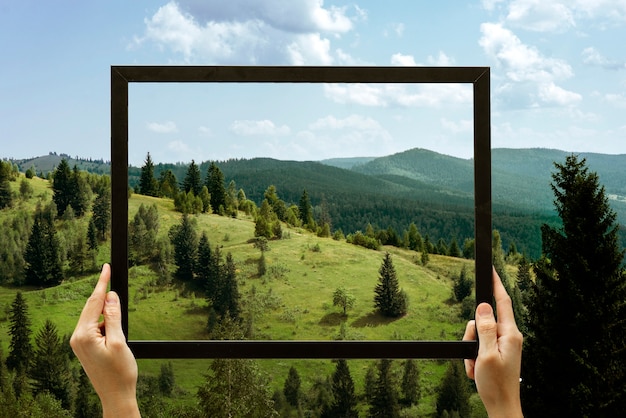
Embark upon a transformational journey towards crafting a picturesque, unspoiled vista brimming with natural beauty and tranquility.
Discover the art of harmonizing elements of earth and sky to produce an enchanting setting that resonates with serenity and allure.
Uncover the secrets to cultivating a verdant, flourishing oasis that captivates the senses and evokes a sense of wonder and awe.
Choosing the Right Location
When it comes to selecting the perfect spot for your outdoor project, there are several factors to consider. The site you choose will play a crucial role in the overall success of your landscaping endeavor. In this section, we will explore key considerations to keep in mind when determining the ideal location for your project.
Factors to Consider
Before breaking ground on your landscaping project, it’s essential to assess several key factors that will impact the final result. These may include the amount of sunlight the area receives, the soil quality, drainage patterns, and existing vegetation. By carefully evaluating these elements, you can ensure that your project flourishes in its chosen environment.
| Factor | Impact |
|---|---|
| Sunlight Exposure | Determines types of plants |
| Soil Quality | Affects plant growth |
| Drainage Patterns | Prevents waterlogging |
| Existing Vegetation | Influence on ecosystem |
Selecting the Perfect Landscape Design
Choosing the ideal landscape layout is crucial to achieving a visually appealing outdoor space. In this section, we will explore the essential factors to consider when selecting a design that suits your preferences and complements your surroundings.
- Evaluate your outdoor space: Assess the size, shape, and topography of your yard to determine potential design options.
- Consider your aesthetic preferences: Determine whether you prefer a modern, traditional, or eclectic style to guide your design choices.
- Think about functionality: Identify the primary uses of your outdoor space, such as entertaining, gardening, or relaxation, to ensure the design meets your needs.
- Take inspiration from nature: Look to the natural landscapes around you for color schemes, plant choices, and overall design concepts.
- Consult with professionals: Seek advice from landscape designers or architects to gain insights and recommendations for creating a harmonious and visually stunning outdoor environment.
By considering these key elements, you can select a landscape design that enhances your outdoor space and creates a welcoming and enjoyable environment for you and your guests to enjoy.
Preparing the Soil for Planting
Before beginning the planting process, it is essential to properly prepare the soil to ensure optimal growing conditions for your plants. This step is crucial in establishing a healthy foundation for your garden or landscape.
Clearing the Area
- Begin by removing any debris, rocks, or weeds from the area where you plan to plant.
- Clearing the soil of obstructions will allow for better root penetration and nutrient absorption for your plants.
Testing the Soil
- It is recommended to test the soil pH and nutrient levels to determine if any amendments are needed.
- Soil testing kits can be purchased at your local garden center or you can send a sample to a laboratory for more comprehensive analysis.
By taking the time to properly prepare the soil before planting, you are setting yourself up for success and ensuring that your plants have the best possible chance to thrive in their new environment. Remember, healthy soil equals healthy plants!
Choosing the Ideal Plants and Trees
In this section, we will explore the process of selecting the perfect greenery for your outdoor space. By carefully considering various factors such as size, shape, color, and growth patterns, you can create a harmonious and visually appealing environment for your landscape.
Factors to Consider
When choosing plants and trees for your garden, it is essential to take into account the climate of your region. Different species thrive in specific conditions, so make sure to select flora that will flourish in your area. Additionally, consider the amount of sunlight your space receives, as some plants require more light than others to grow.
It is also important to think about the overall aesthetic you wish to achieve in your landscape. Whether you prefer a lush, tropical look or a more minimalist and modern design, selecting plants and trees that complement your vision is key. By choosing greenery that matches your desired style, you can create a cohesive and inviting outdoor space.
Adding Decorative Features and Pathways
Enhancing the aesthetic appeal of your outdoor space can be achieved by incorporating various embellishments and walkways throughout your garden. These additions not only add charm and character to the landscape but also provide functionality and structure to the overall design.
Embellishments such as garden sculptures, fountains, and decorative planters can serve as focal points in your garden, drawing the eye and creating visual interest. Choose pieces that complement the style and theme of your landscape, whether it be rustic, modern, or traditional. Position these decorative features strategically to maximize their impact and create balance within the space.
Pathways are essential elements that guide visitors through the garden and create a sense of movement and flow. Consider using materials like gravel, paving stones, or natural stone to create pathways that are both functional and visually appealing. Curved paths can add a sense of whimsy and intrigue, while straight paths offer a more formal and structured look.
Integrate decorative features and pathways seamlessly into your landscape design to elevate the overall beauty and functionality of your outdoor space. Experiment with different combinations and layouts to discover what works best for your unique garden environment.
Remember to regularly maintain and update these elements to keep your landscape looking fresh and inviting throughout the seasons.
Implementing Proper Irrigation Systems
Ensuring effective hydration for your outdoor space is crucial for maintaining the health and vibrancy of your plants. In this section, we will explore the essential strategies for installing and managing irrigation systems to guarantee optimal watering for your garden.
Choosing the right irrigation system
When selecting an irrigation system for your landscape, it is essential to consider factors such as the type of plants in your garden, the soil composition, and the climate of your region. Drip irrigation, sprinkler systems, and soaker hoses are popular options that provide targeted watering to specific areas of your garden.
Planning the layout
Before installing your irrigation system, create a detailed plan that outlines the placement of pipes, sprinklers, and drip lines. Consider the water requirements of each plant and group them accordingly to ensure efficient watering. A well-thought-out layout will minimize water wastage and promote healthy growth throughout your landscape.
Regular maintenance
Once your irrigation system is in place, it is essential to conduct regular maintenance to keep it functioning optimally. Check for leaks, clogs, and malfunctions regularly to avoid water wastage and ensure that your plants are receiving the right amount of hydration. Adjust watering schedules according to seasonal changes and the specific needs of your garden.
Maintaining Your Serene Outdoor Environment
In this section, we will explore the various ways in which you can ensure your outdoor space remains vibrant and thriving. From routine care and maintenance to addressing potential issues, keeping your natural environment looking its best requires dedication and attention to detail.
| Regular Maintenance | Consistent upkeep of your outdoor space is essential for preserving its beauty and health. This includes tasks such as watering, pruning, and fertilizing plants, as well as removing weeds and debris. |
| Pest Control | Protecting your landscape from pests is crucial to preventing damage to plants and trees. Implementing natural or chemical solutions can help maintain a pest-free environment. |
| Irrigation System | Installing an efficient irrigation system can make watering your plants more convenient and ensure they receive the proper amount of water. Regularly check and adjust the system to prevent over or under-watering. |
| Sustainability Practices | Embracing sustainable practices, such as composting and using native plants, can help maintain a healthy ecosystem in your outdoor space. These practices also contribute to environmental conservation. |
Tips for Enhancing Your Outdoor Space
Looking to elevate your outdoor area and make it more appealing? In this section, we’ll explore some strategies to improve the aesthetics and functionality of your outdoor space. Whether you have a small patio or a spacious backyard, these tips will help you create a beautiful and inviting outdoor environment.
Choose the Right Furniture
One of the key elements in enhancing your outdoor space is selecting the right furniture pieces. Consider the style, material, and size of the furniture to complement the overall design of your outdoor area. Whether you opt for a cozy outdoor sofa for lounging or a dining set for entertaining, make sure the furniture is durable and weather-resistant.
Add Greenery and Landscaping
Integrating plants and landscaping elements into your outdoor space can greatly enhance its beauty. Consider adding potted plants, flower beds, or a garden to introduce color and texture to your outdoor area. You can also incorporate features like a water fountain or fire pit to create a focal point in your outdoor space.