
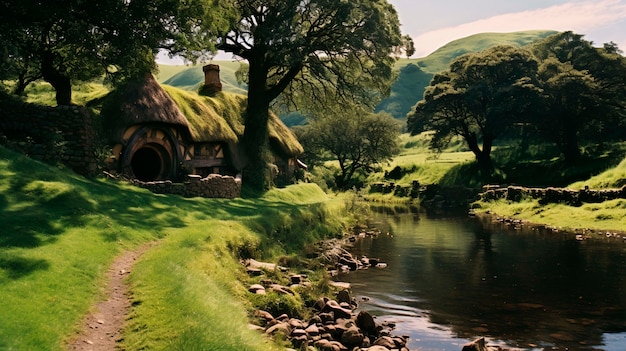
Uncover the distinctive features that define various landforms and environments. From rolling hills to towering mountains, each landscape holds its own unique characteristics that contribute to its overall beauty and appeal. Understanding the key elements that make up these scenic vistas can deepen your appreciation for the natural world around you.
Delve into the diverse aspects of sceneries around the globe, from lush forests to arid deserts. Each terrain offers a distinctive blend of flora and fauna, geological formations, and climatic conditions that shape its visage. By recognizing these essential qualities, you can gain a deeper understanding of the world’s natural wonders.
The Diversity of Geological Formations
Within the realm of landscapes, there exists a rich array of geological formations that contribute to the unique beauty and character of the earth’s surface. These formations, shaped over millions of years through natural processes such as erosion and tectonic activity, showcase the immense diversity of our planet’s geology.
The Influence of Tectonic Forces

From towering mountains to expansive valleys, the powerful forces of tectonics have played a significant role in shaping the earth’s geological features. Colliding plates, uplifted crust, and volcanic activity have all contributed to the formation of diverse landscapes across the globe.
The Impact of Erosion
Erosion, whether caused by wind, water, or ice, has sculpted some of the most iconic geological formations on earth. From rugged cliffs to winding canyons, the relentless forces of erosion have created a stunning variety of landscapes that continue to evolve over time.
Factors Influencing Climate and Vegetation
Influential elements that impact the weather patterns and the types of plant life in a certain area are crucial factors to consider. These aspects play a significant role in shaping the overall environment and ecosystem of a specific region.
Climate is one of the key determinants that influence the type of vegetation found in a particular location. The temperature, precipitation levels, and humidity all contribute to the climate conditions which dictate the types of plants that can thrive in the area. Additionally, factors such as altitude and proximity to bodies of water can also play a significant role in shaping the climate of a region.
Another important factor to consider is the soil quality and composition. Different types of soil have varying levels of fertility and drainage capacity, which directly impact the types of plants that can grow in a specific area. The availability of nutrients in the soil also plays a crucial role in determining the diversity and abundance of vegetation in a given location.
The topography of a region, including factors such as elevation, slope, and exposure to sunlight, can also impact the climate and vegetation found in the area. These physical features can create microclimates within a region, leading to a variety of plant communities that are adapted to different conditions.
Overall, a combination of climate, soil quality, and topography are the primary factors influencing the type of vegetation that can thrive in a specific landscape. Understanding these elements is essential for studying and preserving the unique ecosystems found around the world.
Impact of Human Activities on Natural Environments
Human actions have a significant effect on the natural surroundings, altering the landscapes in various ways. From urbanization and deforestation to industrialization and pollution, the activities of humans have brought about noticeable changes in the physical features of the Earth.
Urbanization
- Rapid population growth in cities leads to the expansion of urban areas, resulting in the destruction of natural habitats and the loss of biodiversity.
- The construction of buildings, roads, and infrastructure often requires the clearing of forests and grasslands, drastically changing the landscape.
Deforestation
- The cutting down of trees for timber, agriculture, and urban development has a significant impact on landscapes, causing soil erosion, loss of wildlife habitats, and changes in local climate patterns.
- Deforestation also contributes to global warming, as trees play a crucial role in absorbing carbon dioxide from the atmosphere.
Industrial activities, such as mining, manufacturing, and energy production, can lead to the degradation of landscapes through the release of pollutants into the air, soil, and water. This contamination can have long-lasting effects on the environment, affecting vegetation, wildlife, and human health.
It is important to recognize the consequences of human activities on landscapes and take measures to mitigate their negative impacts. Sustainable practices and conservation efforts can help preserve the natural beauty and ecological balance of our planet for future generations.
The Role of Water Bodies in Landscapes
Water bodies play a crucial part in shaping the environment and influencing the overall appearance of landscapes. They not only add beauty and tranquility to the surroundings, but also provide essential habitats for a diverse range of plants and animals. These bodies of water can vary in size and type, from ponds and lakes to rivers and oceans, each contributing unique characteristics to the landscape.
Ecological Importance
- Provide habitats for aquatic flora and fauna
- Support biodiversity and ecosystem balance
- Contribute to nutrient cycling and water purification
Aesthetic Value
- Enhance visual appeal and scenic beauty
- Reflect surrounding landscapes, creating stunning reflections
- Provide recreational opportunities for humans
Unique Flora and Fauna in Various Environments
One of the intriguing aspects of different ecosystems is the diverse range of plant and animal species that inhabit them. Each landscape is home to its own unique flora and fauna, each adapted to thrive in its specific environment.
Desert Habitats
Deserts are characterized by extreme dryness and high temperatures, making them challenging environments for most plants and animals to survive. Despite these harsh conditions, desert ecosystems are home to a variety of specially adapted species such as cacti, succulents, and reptiles like the iconic rattlesnake.
Forest Environments
Forests are lush and diverse ecosystems, teeming with life in the form of towering trees, diverse understory plants, and a wide array of animal species. From majestic oaks in temperate forests to the vibrant biodiversity of tropical rainforests, each type of forest hosts its own unique mix of flora and fauna.
The Influence of Topography on Landscapes
Topography plays an essential role in shaping the appearance and characteristics of natural environments. The terrain of a region, including its elevation, slope, and relief, greatly influences the formation of diverse landscapes.
Impact of Elevation
The elevation of a landmass determines its height above sea level, affecting factors such as temperature, precipitation, and vegetation. Higher elevations typically experience cooler temperatures and receive more precipitation, leading to the development of mountainous landscapes with distinct biodiversity.
Role of Slope and Relief
The slope of the land and its relief contribute to the erosion and deposition processes that shape the Earth’s surface. Steep slopes may result in rapid runoff and erosion, creating rugged landscapes with deep valleys and sharp peaks. In contrast, flat terrain and gentle slopes often lead to the formation of plains and rolling hills.
| Elevation | The height of a landmass above sea level |
| Slope | The steepness of the land’s surface |
| Relief | The difference in elevation within a specific area |
The Importance of Biodiversity in Ecosystems
Biodiversity plays a crucial role in the vitality and resilience of natural areas. The variety of life forms within an ecosystem contributes to its stability and productivity. Without biodiversity, ecosystems would struggle to adapt to changes in the environment and maintain their balance. In essence, biodiversity is the cornerstone of healthy and functioning landscapes.
Preservation of Species
The presence of diverse plant and animal species in landscapes ensures that the ecosystem can continue to flourish and support life. Each species has a unique role to play in the ecosystem, whether it be as a pollinator, predator, or provider of resources. If one species begins to decline or disappear, it can have a ripple effect on the entire ecosystem, leading to imbalances and potential collapse.
Furthermore, biodiversity also provides us with essential ecosystem services, such as clean air, water, and soil. By preserving biodiversity in landscapes, we not only protect the environment but also ensure our own well-being and survival.
Strategies for Sustainable Landscape Management
In this section, we will explore effective methods for maintaining ecological balance and preserving natural resources in outdoor environments. Sustainable landscape management involves implementing practices that promote long-term environmental health and vitality without depleting essential resources.
Integrating Native Plant Species
One key strategy for sustainable landscape management is to prioritize the use of native plant species in landscaping projects. Native plants are well adapted to local climate conditions, soil types, and wildlife habitats, making them resilient and low maintenance options for creating sustainable landscapes. By incorporating native plants into design plans, landscape managers can reduce water consumption, minimize the need for chemical fertilizers and pesticides, and support biodiversity in the ecosystem.
Water Conservation and Irrigation Efficiency
Another essential aspect of sustainable landscape management is efficient water conservation practices and irrigation techniques. By utilizing drought-tolerant plants, mulching garden beds, capturing rainwater, and installing water-efficient irrigation systems, landscape managers can significantly reduce water waste and promote healthy plant growth. Implementing smart irrigation technologies, such as soil moisture sensors and weather-based controllers, can also optimize water usage and minimize environmental impact.
| Key Strategies for Sustainable Landscape Management |
|---|
| Integrating Native Plant Species |
| Water Conservation and Irrigation Efficiency |