
Picture this: a blank canvas of greenery waiting to be transformed into a masterpiece of natural beauty. Essential to the process are the fundamental components that make up the architecture of an outdoor oasis.
Imagine the synergy between nature and artistry as they merge to create a harmonious landscape. Each detail, from the placement of flora to the selection of materials, plays a crucial role in the creation of an aesthetically pleasing environment.
From the organization of spaces to the integration of natural elements, the craftsmanship of outdoor design is a balance of functionality and beauty. Let’s delve into the intricacies of outdoor planning and uncover the secrets to creating a captivating landscape.
Natural Elements in Landscape Design
When it comes to creating outdoor spaces that are visually appealing and harmonious, incorporating natural elements is essential. The use of organic materials and features such as plants, water, rocks, and wood can enhance the overall aesthetic and create a sense of tranquility in the environment.
The Role of Plants
Plants play a vital role in landscape design, bringing color, texture, and life to outdoor spaces. By carefully selecting a variety of plant species, designers can create a diverse and dynamic ecosystem that attracts wildlife and provides year-round interest.
The Beauty of Water Features
Water features such as ponds, fountains, and streams can add a sense of serenity and movement to a landscape design. The sound of flowing water can create a calming atmosphere, while the visual appeal of reflections and aquatic plants can enhance the overall aesthetic.
- Use water features to create focal points in the garden
- Incorporate water elements to attract birds and other wildlife
- Consider the maintenance requirements of water features when designing the landscape
By integrating natural elements into landscape design, designers can create outdoor spaces that are not only beautiful but also sustainable and ecologically beneficial. Whether it’s through the use of plants, water features, rocks, or wood, the incorporation of these elements can transform any outdoor space into a harmonious and inviting environment.
Importance of Functional Design Features
Creating a functional and practical landscape design is essential for achieving a harmonious outdoor space that not only looks beautiful but also serves a purpose. Incorporating elements that enhance the usability and efficiency of the outdoor environment can greatly improve the overall experience for both residents and visitors.
The Significance of Practicality
Functional design features play a crucial role in ensuring that the outdoor space is not only aesthetically pleasing but also practical and functional. By considering the needs and requirements of the users, designers can create a space that is both visually appealing and serves a purpose. This can include elements such as seating areas, pathways, lighting, and outdoor structures that enhance the usability of the space.
Emphasizing the importance of functionality in landscape design can help create a space that is not only visually stunning but also enhances the overall experience for those who use it. By incorporating practical design features, designers can create outdoor spaces that are both beautiful and functional, making them a true extension of the indoor living environment.
Harmonizing Color and Texture in Landscaping
Creating a cohesive and visually pleasing outdoor space involves skillfully combining hues and patterns within the natural environment. By carefully selecting and pairing colors and textures, you can enhance the overall aesthetic appeal of your landscape design.
| Color | Texture |
| Utilize a color wheel | Vary textures for visual interest |
| Consider the season | Incorporate different materials |
| Balance warm and cool tones | Play with smooth and rough surfaces |
| Use color theory principles | Combine soft and hard elements |
By thoughtfully integrating color and texture into your landscaping design, you can create a harmonious and dynamic outdoor space that reflects your unique style and personality.
Creating Balance and Symmetry in Design
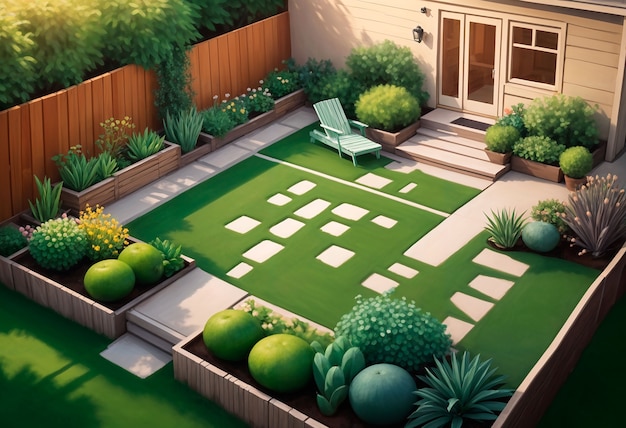
In the realm of design, achieving a sense of equilibrium and harmony is essential to the overall aesthetics of a space. Through thoughtful placement of elements and intentional distribution of visual weight, designers can create a sense of balance that is pleasing to the eye. Symmetry, in particular, plays a crucial role in establishing a sense of order and coherence in a design.
One way to create balance in design is through the use of symmetry. Symmetrical designs feature an equal distribution of elements on either side of a central axis. This creates a sense of stability and order, making the design feel organized and intentional. Additionally, symmetrical designs often evoke a sense of calm and tranquility, making them ideal for creating a harmonious environment.
| Benefits of Balance and Symmetry in Design |
| 1. Enhances visual appeal |
| 2. Creates a sense of order |
| 3. Establishes a harmonious atmosphere |
By incorporating balance and symmetry into your design, you can create a cohesive and visually pleasing space that is both aesthetically pleasing and functional. Whether you are designing a garden, a room, or a public space, the principles of balance and symmetry can help you achieve a sense of unity and coherence in your design.
Utilizing Hardscaping for Structure and Function
When creating a cohesive and functional outdoor space, incorporating hardscaping elements can provide both structure and purpose. These non-living features, such as patios, walkways, retaining walls, and water features, can add visual interest while serving a practical function in the landscape.
The Role of Hardscaping in Landscape Design
Hardscaping elements serve as the backbone of a well-designed outdoor area, defining boundaries, creating focal points, and offering areas for relaxation and entertainment. By strategically incorporating these features, you can enhance the overall aesthetics and functionality of your outdoor space.
From pathways that guide visitors through the garden to seating walls that provide additional seating options, hardscaping plays a crucial role in shaping the landscape. By carefully selecting and arranging these elements, you can transform your outdoor space into a harmonious and inviting environment.
Incorporating Plants for Visual Interest and Balance
When creating a harmonious and visually appealing outdoor space, it is essential to carefully select and arrange various plant species. Plants play a crucial role in adding texture, color, and dimension to your landscape, creating visual interest and balance.
Texture: Incorporating plants with different leaf shapes, sizes, and textures can add depth and diversity to your garden. Mix soft, delicate ferns with bold, coarse grasses to create a dynamic contrast that catches the eye.
Color: Choose plants with vibrant blooms or foliage to add pops of color throughout your landscape. Strategic placement of flowering plants can create focal points and draw attention to specific areas in your garden.
Height: Utilize plants of varying heights to create a sense of depth and balance in your outdoor space. Taller plants can provide a backdrop for shorter, ground-hugging species, while mid-sized plants can fill in the gaps and create a cohesive look.
Shape: Consider the overall shape and form of each plant when designing your landscape. Incorporate a mix of rounded, spiky, and cascading plants to create visual interest and ensure a well-balanced composition.
By carefully considering the texture, color, height, and shape of the plants you incorporate into your landscape, you can create a visually stunning and harmonious outdoor space that will delight the senses and enhance your overall design.
Understanding Proportion and Scale in Landscaping
When it comes to creating visually appealing outdoor spaces, it is essential to have a solid grasp on the concepts of proportion and scale. These elements play a crucial role in determining the overall balance and harmony of a landscape design.
Proportion refers to the relationship between the various components of a design. It involves the arrangement of different elements in such a way that they are in harmony with one another. Proper proportion ensures that no single element overpowers the others, creating a sense of equilibrium in the design.
Scale, on the other hand, is concerned with the size of individual elements in relation to the overall space. It is important to consider the scale of plants, pathways, and structures in a landscape design to ensure that they are appropriately sized for the environment in which they are placed.
By understanding and implementing these principles of proportion and scale in landscape design, you can create outdoor spaces that are visually appealing, well-balanced, and harmonious.
Enhancing Landscapes with Lighting and Water Features
In the realm of outdoor aesthetics, adding illumination and aquatic elements can truly elevate the overall ambiance of a space. By strategically incorporating lighting fixtures and water features into your landscape, you can create a captivating and inviting atmosphere that enhances the natural beauty of your surroundings.
Illuminate Your Space
- Enhance the mood of your outdoor area with strategically placed lights that highlight key features of your landscape.
- Create a warm and welcoming environment with soft, subtle lighting options such as string lights, lanterns, or LED spotlights.
- Consider incorporating solar-powered lights for an eco-friendly and cost-effective lighting solution.
- Experiment with different color temperatures and intensities to achieve the desired effect in different areas of your outdoor space.
Add Water Features

- Infuse tranquility into your landscape by incorporating water features such as fountains, ponds, or waterfalls.
- Integrate water elements to create a soothing soundscape that enhances the overall sensory experience of your outdoor space.
- Choose the right size and style of water feature that complements the existing aesthetic of your landscape.
- Maintain water features regularly to ensure their proper function and prevent issues such as algae buildup or leaks.
Question-answer:
What are the key elements of landscape design?
The key elements of landscape design include unity, balance, proportion, focalization, rhythm, and simplicity. Unity refers to the overall cohesive feel of the design, while balance ensures visual stability. Proportion pertains to the size and scale of elements, while focalization directs attention to specific areas. Rhythm creates a sense of movement, and simplicity helps to avoid clutter.
How can I incorporate unity into my landscape design?
You can incorporate unity into your landscape design by using a consistent color palette, repeating patterns or shapes, and creating a seamless flow between different areas of your outdoor space. By ensuring that all elements work together harmoniously, you can achieve a sense of unity in your design.
Why is balance important in landscape design?
Balance is important in landscape design because it creates visual stability and harmony. By distributing visual weight evenly throughout your design, you can avoid a lopsided or cluttered appearance. Balance can be achieved through symmetrical or asymmetrical arrangements of elements in your outdoor space.
How can I create focalization in my landscape design?
You can create focalization in your landscape design by emphasizing a specific focal point, such as a striking plant, sculpture, or water feature. By drawing attention to this focal point through strategic placement and lighting, you can create visual interest and a sense of hierarchy in your outdoor space.