
When we wander through the world, we encounter a wide array of surroundings that captivate our senses and spark our imagination. The diverse panoramas that unfold before our eyes are a testament to the beauty and complexity of nature, each landscape offering a unique glimpse into the wonders of our planet.
From lush forests teeming with life to arid deserts stretching endlessly into the horizon, the contrast between these environments is striking. The colors, textures, and sounds that define each setting create a tapestry of sights that are as intriguing as they are diverse. Amidst this vast collection of landscapes, there lies a wealth of opportunities to explore, discover, and appreciate the natural world in all its splendor.
Understanding Various Types of Landforms
Exploring the diverse array of geological formations that make up our planet is essential for understanding the unique characteristics of different regions. Landforms vary in shape, size, and composition, creating a dynamic landscape that is both fascinating and complex.
Mountains
- Highlands
- Peaks
- Summits
Plains

- Flatlands
- Prairies
- Plateaus
Each type of landform plays a crucial role in shaping the environment and influencing the ecosystems that thrive within them. By studying these various formations, we can gain a deeper appreciation for the natural world around us.
Recognizing Various Vegetation Patterns in Scenic Views
In exploring the diverse array of flora in natural settings, one can observe the unique patterns and compositions of vegetation that add to the beauty of landscapes. Each type of plant, from towering trees to delicate wildflowers, contributes to the overall aesthetic of the environment.
Identifying Tree Species
- Look for differences in leaf shape, size, and color to identify various tree species.
- Observe the patterns of branches and trunk structure to distinguish between deciduous and evergreen trees.
Noticing Ground Cover Plants
- Pay attention to the density and distribution of ground cover plants such as grasses, ferns, and mosses.
- Notice how these plants interact with each other and with larger vegetation to create a harmonious ecosystem.
By honing your skills in recognizing different vegetation patterns, you can develop a deeper appreciation for the intricate beauty of landscapes and the importance of preserving the diverse plant life that enriches our surroundings.
Identifying Unique Geological Features in Terrain
Exploring the distinct geological formations that can be found in various landscapes can be a fascinating endeavor. From majestic mountains and sprawling valleys to intricate caves and winding rivers, the Earth is dotted with a diverse array of geological features that have been shaped by millions of years of natural processes.
Distinguishing Geological Features
- Towering peaks and rugged cliffs
- Lush forests and expansive deserts
- Volcanic craters and geysers
Unique Formations to Look For
- Arch-shaped rock formations
- Giant sinkholes and karst landscapes
- Glowing lava flows and obsidian fields
Comparing Coastal and Inland Scenery
When it comes to nature’s beauty, the contrast between coastal and inland landscapes is truly remarkable. Each type of scenery offers its own unique features and characteristics that set them apart from one another.
Coastal landscapes are known for their stunning views of the sea, with sandy beaches, rugged cliffs, and crashing waves creating a sense of awe and tranquility. In contrast, inland landscapes feature rolling hills, dense forests, and meandering rivers that evoke a sense of serenity and peacefulness.
While coastal landscapes may be more dynamic and ever-changing, with the constant ebb and flow of the tides, inland landscapes offer a sense of permanence and stability, with ancient mountains and vast plains stretching out as far as the eye can see.
Whether you prefer the drama of the coast or the tranquility of the countryside, both coastal and inland landscapes have their own unique allure and beauty that make them worth exploring and appreciating.
Comparing Natural and Man-made Landscapes
When examining the differences between landscapes formed by nature and those created by human hands, it becomes clear that each type possesses unique characteristics that distinguish them from one another. Natural landscapes showcase the raw beauty and complexity of the earth’s natural processes, while man-made landscapes often reflect human ingenuity and creativity in design and construction.
Exploring the Contrast between Urban and Rural Environments
When considering the characteristics of city life compared to countryside living, it becomes evident that urban and rural landscapes possess inherently distinct features that set them apart from each other. The hustle and bustle of city streets contrast starkly with the tranquility and vastness of rural expanses, creating a unique juxtaposition of human activity and natural beauty.
Urban Landscapes
Urban environments are characterized by their dense populations, towering skyscrapers, and bustling streets filled with a diverse array of people, vehicles, and businesses. The landscape is dominated by concrete structures, neon lights, and modern infrastructure, creating a vibrant and dynamic atmosphere that never seems to sleep.
Rural Landscapes
In contrast, rural landscapes are defined by their expansive fields, rolling hills, and quaint villages nestled among nature’s beauty. The pace of life is slower, the air fresher, and the sounds more serene, allowing residents to connect with the natural world in a way that is often elusive in urban settings.
By closely examining the characteristics of urban and rural landscapes, we can gain a deeper appreciation for the diversity of environments that exist within our world, each offering a unique experience and perspective on the beauty of our surroundings.
Exploring the Impact of Climate on Environments
Climate plays a crucial role in shaping the various environments that make up our planet. From lush forests to arid deserts, the climate in a particular region influences the types of landscapes that can thrive there. By understanding how climate affects different environments, we can gain insight into the unique characteristics of each landscape.
The Role of Temperature
Temperature is a key factor in determining the type of landscape that can be found in a particular region. For example, cooler temperatures tend to support forests with dense vegetation, while hotter temperatures are more conducive to deserts with sparse vegetation. The variation in temperature across different regions contributes to the diversity of landscapes we see on Earth.
The Importance of Precipitation

Precipitation levels also play a significant role in shaping landscapes. Regions with high levels of precipitation are more likely to have lush, green landscapes with abundant plant life. On the other hand, areas with low precipitation may have dry, barren landscapes that are more prone to desertification. The distribution of precipitation around the world greatly influences the variety of landscapes we observe.
Tips for Improving your Landscape Photography Skills
Are you looking to elevate your abilities in capturing the beauty of nature through your camera lens? Enhancing your landscape photography skills requires a combination of technical knowledge, creativity, and an eye for composition. Here are some tips to help you take your landscape photography to the next level.
1. Study the Light
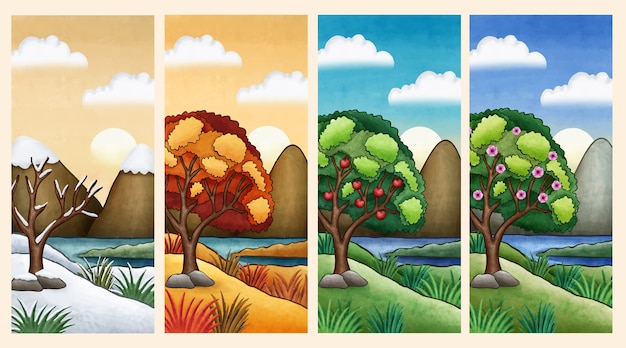
Lighting plays a crucial role in photography, especially when it comes to landscapes. Pay attention to the direction and quality of light, as well as how it interacts with the elements in your frame. Consider shooting during the golden hours of sunrise and sunset for soft, warm light that enhances the mood of your images.
2. Experiment with Composition
Composition is key to creating visually appealing landscape photographs. Try different techniques such as leading lines, framing, and the rule of thirds to add depth and interest to your images. Don’t be afraid to experiment and step out of your comfort zone to find unique perspectives.
Question-answer:
What are the key factors to consider when distinguishing between different landscapes?
When distinguishing between different landscapes, key factors to consider include topography, vegetation, climate, human impact, and geological features. Each of these elements plays a crucial role in shaping the landscape’s unique characteristics.
How can one differentiate between a desert landscape and a forest landscape?
Desert landscapes typically feature sparse vegetation, sandy or rocky terrain, and extreme temperatures, while forest landscapes are characterized by dense vegetation, abundant trees, and a cooler, more humid climate. Additionally, desert landscapes often have unique geological features like sand dunes or rock formations, while forest landscapes may have diverse wildlife and a variety of plant species.
Why is it important to distinguish between different landscapes?
Distinguishing between different landscapes is important for understanding the natural environment, identifying potential conservation areas, and assessing the impact of human activities on the land. By recognizing the unique characteristics of each landscape, we can better appreciate the diversity of the world around us and make more informed decisions about how to protect and preserve these valuable resources.
How do geographers classify different types of landscapes?
Geographers classify different types of landscapes based on factors such as landform, vegetation, climate, and human activity.common classifications include desert landscapes, forest landscapes, mountain landscapes, coastal landscapes, and urban landscapes. By categorizing landscapes in this way, geographers can better understand the relationships between different environments and how they interact with each other.
What role does cultural heritage play in distinguishing between different landscapes?
Cultural heritage plays a significant role in distinguishing between different landscapes by influencing the types of land use, architectural styles, and traditional practices found in a particular area. For example, a rural landscape in Tuscany may be distinguished by its vineyards, olive groves, and medieval villages, while an industrial landscape in Detroit may be characterized by factories, warehouses, and urban sprawl. By examining the cultural heritage of a landscape, we can gain insight into the historical, social, and economic factors that have shaped its development over time.
What are the main factors that distinguish between different landscapes?
The main factors that distinguish between different landscapes include geology, climate, vegetation, and human impact. Geology determines the physical characteristics of a landscape, such as mountains, valleys, and plains. Climate influences the types of vegetation that can grow in a particular area, which in turn affects the overall appearance of the landscape. Human impact, such as deforestation or urbanization, can also drastically change the landscape.