
Delving into the realm of nature’s canvas, we uncover the intricate expressions of artists who capture the essence of the land in their works. The magic of landscape art lies in its ability to evoke emotions and transport viewers to distant realms, where the beauty of the earth is immortalized.
Through careful observation and intuitive interpretation, these artists masterfully blend colors, shapes, and textures to create scenic masterpieces that illuminate our souls. Each stroke of the brush, each shade of color, speaks volumes about the harmony and balance present in the natural world.
As we immerse ourselves in the tranquility of a serene landscape painting, we appreciate the vision and skill required to capture the essence of a majestic vista. Indeed, landscape art is not merely a representation of scenery, but a reflection of the artist’s inner landscape and spiritual connection to the earth.
Capturing the Beauty of Nature
In the realm of capturing the splendor of the natural world, artists and photographers alike strive to convey the essence and wonder of the environment that surrounds us. Through their lens, they seek to capture the unique textures, colors, and shapes that make up the diverse landscapes of our planet.
Immersing themselves in nature, these creatives use their skills to translate the raw beauty of the wilderness into visual masterpieces that evoke emotions and inspire awe.
Whether it be a breathtaking sunset over a mountain range, a tranquil forest scene, or a powerful crashing wave on a rocky shore, these artists harness the power of nature to create captivating works of art that transport viewers to far-off places and stir their souls.
The Importance of Composition
In the realm of artistic portrayal of natural scenery, the arrangement and organization of elements within a landscape is of great significance. The way in which various components such as light, form, color, and texture are juxtaposed and interact with each other plays a crucial role in conveying the desired mood, emotion, and aesthetic appeal of the artwork. A thoughtful and well-executed composition can elevate a landscape painting or photograph from a mere representation of nature to a captivating visual narrative.
Emphasizing the composition in landscape art involves careful consideration of framing, balance, unity, and focal points. The composition serves as the foundation upon which the artist constructs the visual story they wish to communicate to the viewer. By strategically placing elements within the frame, adjusting perspectives, and manipulating spatial relationships, the artist can guide the viewer’s eyes through the artwork and evoke specific feelings or responses.
Furthermore, a strong composition not only enhances the overall aesthetic appeal of the artwork but also contributes to its effectiveness in conveying the intended message or portraying the desired atmosphere. Whether aiming to capture the serenity of a tranquil meadow, the grandeur of a majestic mountain range, or the drama of a stormy seascape, the composition of the artwork plays a key role in shaping the viewer’s perception and emotional response to the scene depicted.
Using Light and Shadow Effectively
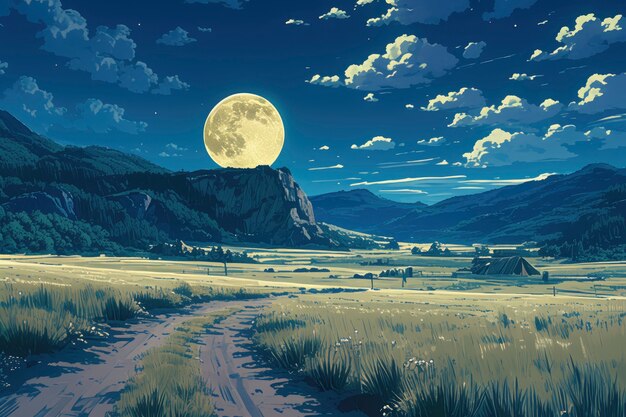
Utilizing the interplay of light and shadow is crucial in creating captivating and dynamic landscape art. The way light falls on the various elements in a landscape can evoke different emotions and moods, while shadow adds depth and dimension to the composition.
Enhancing Depth and Texture
Light and shadow can be used to enhance the sense of depth in a landscape painting, creating a three-dimensional effect that draws the viewer in. By carefully observing how light interacts with different surfaces, artists can achieve a sense of realism and texture in their work.
Setting the Mood
The use of light and shadow can also greatly influence the mood of a landscape painting. Soft, diffuse light can create a serene and peaceful atmosphere, while harsh, dramatic lighting can evoke a sense of tension or mystery. By playing with the intensity and direction of light, artists can effectively convey the emotional impact they wish to achieve.
The Role of Color in Landscape Art
Color is a vital element in the world of landscape painting and drawing, playing a crucial role in evoking emotions, setting the mood, and capturing the essence of a natural scene. The selection and arrangement of colors can transform a simple landscape into a masterpiece of vibrant hues and tones that speak to the viewer on an emotional level.
The Influence of Color on Mood
The colors chosen by an artist can greatly impact the mood and atmosphere of a landscape piece. Warm colors like reds, oranges, and yellows can evoke feelings of warmth, energy, and vitality, while cool colors like blues, greens, and purples can create a sense of calm, tranquility, and serenity. The careful balance of these colors can transport the viewer to a specific time of day, season, or even emotion.
The Use of Color as a Narrative Device
In addition to setting the mood, colors in landscape art can also be used as a narrative device, conveying a story or message through their symbolic meanings. For example, a sky painted in shades of pink and orange can suggest a romantic sunset, while a stormy scene dominated by grays and blues may evoke feelings of danger or unease. The artist’s choice of color palette can infuse a landscape with meaning beyond its visual appearance.
Creating Depth and Perspective
Delving into the intricacies of portraying spatial dimensions and distance in the artistic representation of natural scenery is a crucial aspect of landscape art. By skillfully incorporating techniques such as overlapping shapes, varying hues, and atmospheric perspective, artists are able to imbue their work with a sense of depth and perspective that draws viewers into the scene.
| One effective method for creating depth is through the use of overlapping | forms and objects in the foreground, middle ground, and background of the composition. This layering effect visually guides the viewer’s eye through the landscape, reinforcing the illusion of depth. |
| Another essential element for establishing perspective is the manipulation of | color and tone. Artists often utilize warmer, more saturated colors for objects in the foreground, gradually transitioning to cooler, lighter hues in the background. This contrast accentuates the sense of distance and spatial relationships within the artwork. |
| Additionally, the concept of atmospheric perspective plays a significant role in | creating a convincing sense of depth in landscape art. By incorporating elements such as the gradual fading of details, softer edges, and muted colors as objects recede into the distance, artists can effectively simulate the visual cues associated with depth perception. |
Expressing Emotions Through Landscapes
Illustrating feelings and sentiments through the portrayal of natural scenes and environments is a technique that artists have utilized for centuries. By capturing the essence of emotions in their work, creators are able to evoke powerful reactions from viewers, connecting on a deeper level beyond mere visual appreciation.
Emphasizing the mood and atmosphere of a landscape can convey a sense of tranquility, melancholy, joy, or awe, depending on the artist’s intention. Colors, composition, and brushstrokes are all tools at their disposal to communicate these emotions effectively, allowing for a rich and immersive experience for those who engage with their pieces.
By expressing nuanced emotions through landscapes, artists can transport viewers to a different place and time, inviting them to explore their own internal landscapes as they connect with the artwork on a personal level. This emotional resonance is what sets landscape art apart, making it a unique and powerful form of expression in the realm of visual arts.
Techniques for Capturing Movement
Mastering the art of portraying motion in landscape photography is essential to creating dynamic and captivating images. Through various methods and techniques, photographers can convey a sense of energy, fluidity, and life in their work.
1. Long Exposure
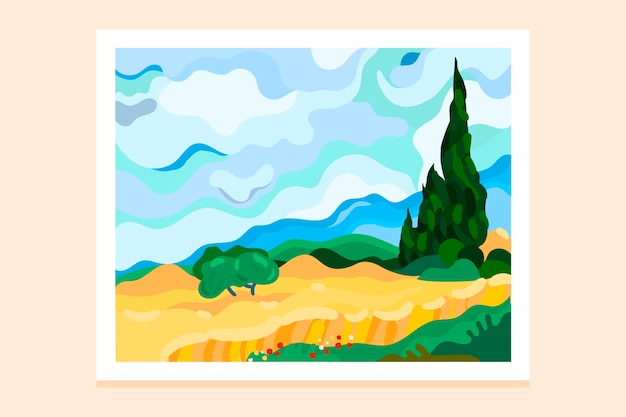
One popular technique for capturing movement in landscape photography is long exposure. By using a slow shutter speed, photographers can blur moving elements such as waterfalls, clouds, or waves, creating a sense of motion and drama in the scene.
2. Panoramic Stitching
Another effective method for capturing movement is panoramic stitching. By taking multiple shots of a moving subject and combining them into a single, wide-angle image, photographers can show the progression of motion over time, adding depth and dimension to their photographs.
- Experiment with different shutter speeds to find the perfect balance between motion blur and sharpness.
- Use leading lines and dynamic compositions to enhance the sense of movement in your images.
- Consider the direction of the motion and how it can enhance the overall mood and storytelling of the photograph.
The Evolution of Landscape Artistry
In the realm of nature-inspired creations, the progression of landscape portrayal has undergone a fascinating transformation over the centuries. From its humble beginnings rooted in simple depictions of natural scenery to the complex and emotive interpretations seen in modern works, the evolution of landscape artistry offers a captivating journey through time.
Early Depictions: In the early stages of landscape representation, artists primarily focused on depicting the physical features of the natural world with a sense of realism. These early works often served as a means of capturing the beauty and grandeur of the environment, showcasing the artist’s technical skill and attention to detail.
Shift towards Romanticism: As artistic movements evolved, landscape artistry began to take on a more emotional and subjective approach. The rise of Romanticism brought about a shift in focus, with artists seeking to evoke a sense of awe, wonder, and connection to nature through their work. Emphasizing mood, atmosphere, and personal expression, these pieces laid the groundwork for the emotional depth and introspection seen in later landscape creations.
Modern Interpretations: In contemporary landscape artistry, artists continue to explore new techniques and perspectives, pushing the boundaries of traditional norms. With the advent of technology and changing cultural landscapes, modern works often reflect a combination of traditional techniques with innovative approaches, resulting in a diverse array of styles and interpretations that capture the ever-evolving essence of the natural world.
Question-answer:
Why do some people consider landscape art to be a form of artistic expression?
Landscapes, whether in painting, photography, or other forms, have the ability to evoke emotions, capture moments in time, and convey a sense of place. Artists use various techniques to convey their unique perspectives on the natural world, making landscape art a powerful form of artistic expression.
What sets landscape art apart from other forms of art?
Landscape art often focuses on the beauty and grandeur of nature, allowing viewers to connect with the natural world on a deeper level. Artists use color, composition, and technique to create stunning visuals of landscapes that can transport viewers to different places and evoke powerful emotions.
How has landscape art evolved over time?
Landscape art has evolved alongside changes in artistic styles, societal values, and technology. From the romantic landscapes of the 19th century to the modernist abstractions of the 20th century, artists have continually pushed boundaries and reimagined how we perceive and interpret the natural world through their art.
What role does landscape art play in contemporary society?
In contemporary society, landscape art continues to inspire, educate, and challenge viewers. Artists use the genre to address pressing environmental issues, celebrate the beauty of the natural world, and offer perspectives on our relationship with the environment. Landscape art serves as a reflection of our society’s values, beliefs, and aspirations.
How can someone appreciate the artistry of landscape if they are not familiar with art?
Appreciating the artistry of landscape does not require extensive knowledge of art history or technique. Simply spending time observing and reflecting on a landscape artwork can evoke emotions, spark curiosity, and inspire a deeper connection to nature. Consider the colors, composition, and mood of the artwork, and allow yourself to be transported to the world the artist has created.
Why do some people consider landscape art an important form of artistic expression?
Many people consider landscape art to be an important form of artistic expression because it allows artists to capture the beauty and essence of nature in a way that can be appreciated by others. Through landscape art, artists can evoke emotions, tell stories, and convey messages about the world around us.
What elements make landscape art unique compared to other forms of art?
Landscape art is unique compared to other forms of art because it focuses on capturing the beauty of nature, often reflecting the changing seasons, weather patterns, and natural landscapes. Artists may also incorporate elements of light, color, and perspective to create a sense of depth and realism in their work.