
In this article, we will delve into the intricate process of how different landforms are shaped and molded over time. Understanding the forces at play that sculpt our environment is key to appreciating the beauty and complexity of the world around us.
From the majestic peaks of mountains to the winding paths of rivers, every aspect of our landscape has a story to tell. Through a combination of geological processes and natural phenomena, the Earth’s surface is constantly undergoing changes that shape the world we live in.
This exploration will take us on a journey through time, as we uncover the secrets behind the diverse array of landforms that make up our planet. By unraveling the mysteries of terrain formation, we gain a deeper appreciation for the interconnectedness of nature and the stunning diversity of landscapes that exist throughout the world.
Investigating the Creation of Scenery

One of the most fascinating aspects of the earth’s surface is how it changes over time, creating unique and diverse landscapes. Through various geological processes and natural phenomena, the features of the environment are shaped and altered, resulting in a wide range of terrains and formations.
Diving into Geological Processes
From the gradual erosion of rocks by water and wind to the powerful forces of tectonic plate movements, there are numerous factors that contribute to the formation of different landscapes. By studying these processes, scientists can unravel the mysteries behind the creation of mountains, valleys, and other natural features.
| Natural Phenomena | Geological Processes | Terrains |
|---|---|---|
| Volcanic eruptions | Erosion | Mountains |
| Glacial movement | Plate tectonics | Valleys |
| Rock formations | Weathering | Deserts |
The Role of Plate Tectonics in Shaping the Earth’s Surface
Plate tectonics play a crucial role in the creation and transformation of landscapes across the globe. The movement of tectonic plates leads to various geological processes that shape the Earth’s crust over time.
Plate Movements
- Convergent Boundaries
- Divergent Boundaries
- Transform Boundaries
Convergent boundaries occur when two plates collide, leading to the formation of mountain ranges, volcanic arcs, and deep oceanic trenches. Divergent boundaries involve the separation of plates, creating rift valleys and mid-ocean ridges. Transform boundaries result in the sliding of plates past each other, causing earthquakes and the formation of faults.
Impact on Landscapes
- Mountain Building
- Volcanic Activity
- Seismic Events
The effects of plate tectonics on landscapes are evident in the formation of mountain ranges, volcanic features, and seismic events. These processes contribute to the diverse and dynamic nature of the Earth’s surface, shaping environments and habitats for various species.
Impact of Climate Change on the Changing Environment
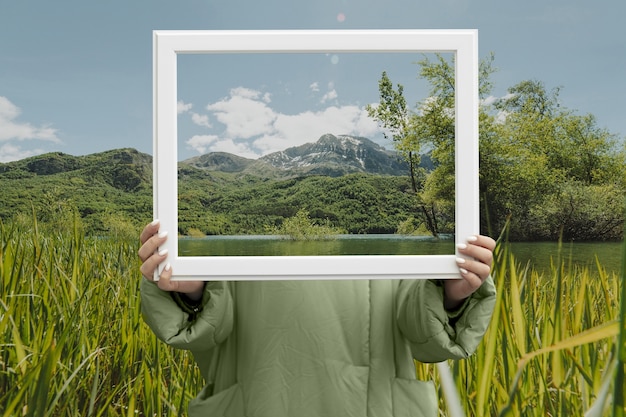
Climate change has a significant influence on the evolving environment, affecting various aspects of the world. It plays a crucial role in shaping the diverse terrain and altering the characteristics of the surroundings. The ongoing shifts in climate patterns have led to noticeable transformations in landscapes worldwide, impacting ecosystems and natural resources.
Changes in Vegetation
One of the most apparent effects of climate change on landscapes is the alteration of vegetation. Rising temperatures and shifting precipitation patterns are causing changes in plant distribution, with species migrating to higher altitudes or latitudes to adapt to new conditions. This shift in vegetation can lead to changes in habitat availability and biodiversity, affecting the overall ecosystem dynamics.
Erosion and Weathering
Climate change also influences the rates of erosion and weathering in landscapes. Increasing temperatures can accelerate weathering processes, leading to the breakdown of rocks and minerals. Changes in precipitation patterns can exacerbate erosion, causing significant changes in landforms and topography over time. These alterations in erosion and weathering patterns can have long-lasting effects on the stability and resilience of landscapes.
The Impact of Erosion on Landscape Development
Erosion plays a significant role in shaping the diverse and dynamic features of the natural environment. It is a powerful force that gradually wears down rocks and soil, sculpting the land into various forms over time. The influence of erosion on landscape development is undeniable, as it continuously transforms the earth’s surface through processes such as weathering, transportation, and deposition.
Types of Erosion
There are several types of erosion that contribute to the evolution of landscapes. These include physical erosion caused by wind, water, and ice, as well as chemical erosion resulting from the breakdown of rocks and minerals. These erosional forces work together to create unique landforms such as valleys, canyons, and deltas, each telling a story of the earth’s ever-changing landscape.
| Erosional Process | Description |
|---|---|
| Weathering | The process of breaking down rocks and minerals into smaller particles. |
| Transportation | The movement of eroded material from one place to another by wind, water, or ice. |
| Deposition | The settling of eroded material in a new location, creating new landforms. |
Understanding the Role of Vegetation in Shaping Landscapes

In the realm of nature’s formations, the presence and influence of plant life are undeniable. Trees, bushes, grasses, and other forms of vegetation play a crucial role in determining the structural composition and aesthetic appeal of the environment. Their intricate interactions with soil, water, and climate contribute to the dynamic evolution of landscapes over time.
- Vegetation serves as a stabilizing force, preventing soil erosion and landslides.
- Plant roots help to bind soil particles together, creating a sturdy foundation for the terrain.
- Through the process of photosynthesis, plants produce oxygen and absorb carbon dioxide, influencing atmospheric conditions.
- Diverse plant communities introduce a rich tapestry of colors and textures, enhancing the visual allure of a landscape.
- Vegetation provides habitats for a multitude of organisms, fostering biodiversity and ecosystem resilience.
- Plants also contribute to the water cycle, regulating precipitation patterns and groundwater levels.
Ultimately, the intricate interplay between vegetation and other elements of nature shapes the character and vitality of landscapes, creating a harmonious blend of form and function. By understanding the pivotal role of plants in landscape formation, we gain a deeper appreciation for the interconnected web of life that sustains our planet.
Volcanic Activity and Its Effects on Landscapes
Volcanic eruptions have a significant impact on the Earth’s surface, shaping and altering the environment in dramatic ways. The violent release of molten rock, ash, and gases can lead to the formation of new landforms and the destruction of existing landscapes. This section explores the processes by which volcanic activity influences the terrain and vegetation of a region.
- Volcanic eruptions can create new landforms such as volcanoes, lava plateaus, and calderas.
- The deposition of volcanic ash and rock can enrich the soil, leading to the development of fertile landscapes.
- However, the flow of lava and pyroclastic material can devastate ecosystems, displacing wildlife and destroying vegetation.
- Over time, volcanic landscapes undergo a process of succession as plants colonize the barren terrain and gradually restore biodiversity.
Understanding the effects of volcanic activity on landscapes is crucial for predicting and mitigating the impact of future eruptions. By studying the formation and evolution of volcanic landforms, scientists can gain valuable insights into the geological processes that shape the Earth’s surface.
The Power of Water in Shaping Terrain
Throughout time, water has played a crucial role in the formation and transformation of the earth’s surface. Its force and persistence have sculpted some of the most awe-inspiring landscapes we see today. From the gentle carving of rivers through valleys to the powerful erosion of coastlines by crashing waves, water shapes the world around us in ways both subtle and dramatic.
Impact of Water Erosion
Water erosion is a relentless process that slowly wears away at rock and soil, creating intricate patterns and landforms over thousands of years. The meandering curves of rivers, the sharp edges of canyons, and the smooth surfaces of pebbles on a beach all bear the marks of water’s patient handiwork.
Diversity of Water Landforms
The diverse landscapes created by water vary greatly depending on factors such as the type of rock or soil being eroded, the volume and speed of water flow, and the presence of other geological forces. From towering waterfalls to deep caves carved out by underground rivers, the results of water’s sculpting power are as varied as the landscapes themselves.
The Role of Humans in Altering Natural Landscapes
Human activities play a significant role in changing the natural features of our environment. Through various actions and interventions, humans have the power to shape and transform landscapes in ways that can have lasting effects on the Earth’s ecosystems.
Impact on Biodiversity
One of the most profound ways in which humans alter natural landscapes is through the destruction of habitats and the loss of biodiversity. Deforestation, urbanization, and industrialization are just a few examples of human activities that can result in the disruption of ecosystems and the extinction of plant and animal species.
Furthermore, pollution and climate change caused by human activities can have detrimental effects on the delicate balance of ecosystems, leading to changes in vegetation, soil composition, and water quality that can impact the overall health of landscapes.
Human Intervention and Conservation Efforts
Despite the negative impact that humans can have on natural landscapes, there are also efforts being made to conserve and restore ecosystems. Conservation projects, reforestation initiatives, and sustainable land management practices are some of the ways in which humans are working to mitigate the damage caused by their actions and preserve the beauty and diversity of landscapes for future generations.
The Significance of Time in Landscape Evolution Processes
Time plays a crucial role in the development and transformation of natural landscapes. It is through the passage of time that landscapes undergo a series of intricate processes that shape their unique features. Understanding the significance of time in landscape evolution processes is essential for gaining insight into the dynamic nature of Earth’s surface.
The Role of Temporal Factors
Temporal factors, such as erosion, weathering, and tectonic movements, interact over vast time scales to sculpt and mold the land. These processes are not instantaneous but rather occur gradually, shaping the landscape over millions of years. The intricate dance of time and geological forces results in the diverse topographies we observe today.
Furthermore, the concept of deep time allows us to appreciate the long-term changes that have occurred to create the landscapes we see today. By studying the temporal aspects of landscape evolution, researchers can unravel the complex interactions between geological processes and environmental conditions that have shaped the Earth’s surface over millennia.
Question-answer:
How do landscapes form?
Landscapes form through a combination of geological processes such as weathering, erosion, deposition, and tectonic activity over millions of years. These processes shape the land into various features such as mountains, valleys, plains, and rivers.
Can human activities impact the formation of landscapes?
Yes, human activities such as deforestation, mining, urbanization, and agriculture can greatly impact the formation of landscapes. These activities can lead to soil erosion, habitat destruction, and changes in the natural landscape.
What role does climate play in shaping landscapes?
Climate plays a significant role in shaping landscapes. Factors such as temperature, precipitation, and wind patterns can influence the rate of weathering and erosion, as well as the type of vegetation that grows in a particular area. Different climate zones can result in diverse landscape features.
How do glaciers contribute to the formation of landscapes?
Glaciers play a key role in shaping landscapes through processes such as erosion and deposition. As glaciers move, they erode the land beneath them, forming valleys, cirques, and other features. When the glaciers melt, they deposit sediment, creating moraines and other landforms.
What are some examples of landscapes that have been shaped by volcanic activity?
Volcanic activity can create unique landscapes such as volcanic cones, calderas, and lava plateaus. Examples include places like Hawaii, Iceland, and Yellowstone National Park where volcanic eruptions have played a major role in shaping the land.