

When it comes to mowing your newly planted grass, timing is key. It is important to wait at least 2-3 weeks after planting before you can safely mow your lawn. This waiting period allows the grass to establish strong roots and ensures that it is ready to withstand the stress of being cut.
During the first few weeks after planting, the grass is in a vulnerable state as it tries to take root and grow. Mowing too soon can damage the delicate new shoots and roots, leading to stunted growth and patchy areas in your lawn. It is best to be patient and allow the grass to reach a height of around 3-4 inches before mowing for the first time.
Once your newly planted grass has had time to establish itself, you can begin mowing with a sharp blade set at a height of 2-3 inches. Be sure to mow in the early morning or late afternoon to avoid the midday heat, which can stress the grass. Regular mowing will help promote healthy growth and keep your lawn looking lush and green.
Understanding the germination process of grass seeds
Germination is the process by which a seed begins to sprout and grow into a plant. When it comes to grass seeds, understanding this process is essential for successful planting and establishment of a healthy lawn.
- Moisture: Grass seeds require consistent moisture to germinate. Make sure to water the area regularly, keeping the soil moist but not waterlogged.
- Temperature: Most grass seeds germinate best when soil temperatures are between 60-75°F. Make sure to plant your seeds during the appropriate season for the type of grass you are growing.
- Depth: Planting grass seeds at the correct depth is crucial for germination. Typically, grass seeds should be planted at a depth of 1/4 inch to 1/2 inch in the soil.
- Light: Some grass seeds require light for germination, while others do not. Be sure to check the specific requirements of the grass species you are planting.
- Aeration: Aerating the soil before planting can help improve seed-to-soil contact and increase germination rates.
By understanding the germination process of grass seeds and following these guidelines, you can ensure a successful lawn establishment and enjoy a lush, healthy lawn in no time.
Factors affecting the time needed for grass to establish include the type of grass planted, the climate of the area, and the care given to the grass after planting.
The type of grass plays a significant role in the time it takes for grass to establish. Some varieties of grass grow faster and require less time to establish a dense root system, while others may take longer. It is essential to choose a grass type that is well-suited to the climate and soil conditions of your area to ensure quick establishment.
The climate of the area also affects the time needed for grass to establish. Grass planted in hot and dry conditions may take longer to establish compared to grass planted in cooler and wetter climates. Providing adequate water and sun exposure is crucial for the successful establishment of grass.
Care given to the grass after planting is another crucial factor. Regular watering, fertilizing, and mowing at the right time can help grass establish quickly. Avoiding heavy foot traffic on newly planted grass and controlling weeds are also essential for the successful establishment of grass.
By taking into account these factors and providing the necessary care, you can ensure that your grass establishes quickly and grows into a healthy and lush lawn.
Determining the type of grass planted
When determining the type of grass planted in your lawn, it’s important to look for specific characteristics such as leaf shape, texture, color, and growth pattern. Take note of any existing grass in your lawn and compare it to common grass types to identify the variety. You can also consult with a local nursery or extension service for assistance in identifying your grass type. Additionally, you can conduct a simple test by collecting a sample of grass and contacting a lab for a professional analysis. By accurately determining the type of grass planted, you can better understand its care requirements and ensure proper maintenance for a healthy and thriving lawn.
Monitoring the growth and development of the grass
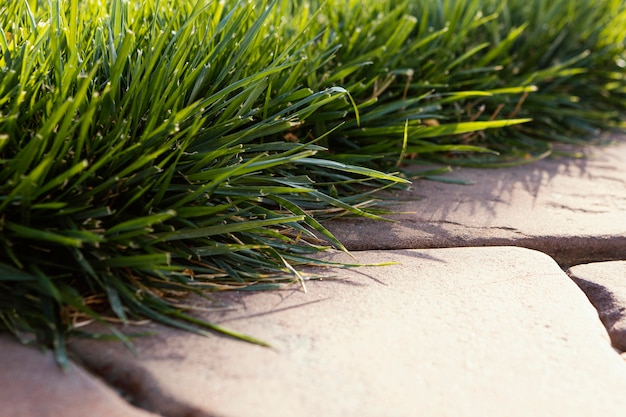
Once you have planted your grass, it is important to monitor its growth and development regularly. This will help you ensure that it is growing properly and address any issues that may arise. Here are some key steps to follow:
1. Daily observation:
- Check the color of the grass blades. Healthy grass should have a vibrant green color.
- Observe the length of the grass. It should be growing steadily at a uniform rate.
- Look for any signs of pests or diseases, such as brown patches or chewed leaves.
2. Weekly measurements:
- Measure the height of the grass using a ruler or tape measure. This will help you track its growth progress.
- Inspect the soil moisture level. Grass needs consistent watering to thrive.
- Remove any weeds that may be competing with the grass for nutrients and sunlight.
By regularly monitoring the growth and development of your grass, you can ensure that it is on track to become a lush and healthy lawn. Make adjustments as needed to promote optimal growth and address any issues promptly.
Following recommended mowing height for newly planted grass
When it comes to mowing newly planted grass, it is essential to follow the recommended mowing height to promote healthy growth and establishment. Mowing too short can stress the grass and inhibit root development, while mowing too tall can result in a thatch build-up and encourage weed growth.
For newly planted grass, it is generally recommended to mow at a height of 3-4 inches. This allows the grass to develop strong roots and establish a dense turf. It is important to avoid removing more than one-third of the grass blade length in a single mowing to prevent stress and promote healthy regrowth.
Waiting for the grass to reach a mature height before mowing
It is important to allow your newly planted grass to reach a mature height before mowing. This usually takes around 2-3 weeks, depending on the type of grass and the growing conditions. Mowing too soon can stress the grass and hinder its growth, so it is best to be patient and wait for it to establish itself properly.
| Grass Type | Time to Mature Height |
| Fescue | 2-3 weeks |
| Bluegrass | 2-3 weeks |
| Bermuda Grass | 1-2 weeks |
Once your grass has reached a mature height, you can begin mowing. Make sure to set your mower to the correct height for your grass type and only remove about one-third of the grass blade at a time. This will help promote healthy growth and ensure a lush, beautiful lawn.
Gradually introducing a regular mowing schedule is crucial for the health and growth of your newly planted grass. It is recommended to wait at least 2-3 weeks after planting grass before mowing for the first time. This allows the grass to establish strong roots and begin to grow evenly.
Once you are ready to start mowing, set your mower blades to the highest setting to avoid cutting the grass too short. It is best to only remove one-third of the grass blade length at a time to prevent stress on the grass.
As the grass continues to grow and mature, gradually decrease the height of the mower blades. This will promote deeper root growth and encourage the grass to thicken and establish a lush lawn.
It is important to mow the grass regularly, especially during the growing season. A consistent mowing schedule will help maintain the health and appearance of your lawn, as well as prevent weeds and disease from taking hold.
Remember to always mow with sharp blades to ensure a clean cut and avoid tearing or damaging the grass. Additionally, mow when the grass is dry to prevent clumping and promote an even cut.
By gradually introducing a regular mowing schedule and following these guidelines, you can help your newly planted grass thrive and achieve a beautiful, healthy lawn.
Tips for maintaining healthy and well-established grass after mowing

Ensure your lawnmower blades are sharp to prevent tearing the grass, leading to a healthier cut and improved lawn appearance.
Mow your grass when it is dry to avoid clumping and allow for a more even cut.
Adjust the mowing height according to the grass species to promote healthy growth and discourage weeds.
Alternate the direction in which you mow each time to prevent soil compaction and encourage upright grass growth.
Leave grass clippings on the lawn to decompose and return nutrients back to the soil, acting as a natural fertilizer.
Question-answer:
How soon after planting grass can I start mowing?
It is generally recommended to wait at least 2-3 weeks after planting grass before mowing. This gives the grass seeds enough time to germinate and establish strong root systems. Mowing too soon can disrupt the growth process and potentially damage the new grass.
Can I mow my newly planted grass if it hasn’t fully grown yet?
It is best to wait until the grass has reached a height of about 3-4 inches before mowing. This usually takes around 2-3 weeks after planting. Mowing too early can hinder the grass’s ability to establish itself and grow properly.
What is the ideal mowing height for newly planted grass?
The ideal mowing height for newly planted grass is about 2-3 inches. It is important not to cut the grass too short, as this can stress the new plants and make them more vulnerable to diseases and pests. Keeping the grass at a proper height will help it grow strong and healthy.
Is it okay to mow newly planted grass with a regular lawn mower?
It is generally safe to mow newly planted grass with a regular lawn mower, as long as you set the blades to the appropriate height. Make sure the blades are sharp to avoid tearing the grass instead of cleanly cutting it. Also, be mindful of any wet or soggy areas in the lawn to prevent damage.
Can frequent mowing help promote the growth of newly planted grass?
Frequent mowing can actually benefit the growth of newly planted grass. Regular mowing helps strengthen the grass roots and encourages lateral growth, resulting in a thicker and healthier lawn. Just make sure not to mow too short or too often, as this can stress the grass and inhibit its growth.