
In creating a dynamic and welcoming ambiance around your living space, there is one element that plays a key role in enhancing the overall aesthetics and functionality of your property. This essential feature of your property serves as a natural extension of your home, blending seamlessly with the architectural design and adding a touch of tranquility to the surroundings.
From lush greenery to vibrant blooms, this particular space offers a sanctuary for relaxation and leisure, providing a breath of fresh air amidst the hustle and bustle of everyday life. It not only enriches the visual appeal of your property but also contributes to the well-being of its inhabitants, fostering a connection with nature and promoting a sense of harmony and balance.
Whether you envision a cozy retreat for quiet contemplation or a lively gathering place for social gatherings, this area serves as a versatile canvas for expressing your personal style and preferences. By carefully planning and designing this vital component of your home environment, you can transform your property into a haven of beauty and serenity, elevating the overall quality of life for you and your loved ones.
The Front Yard: First Impression Matters
When considering the outdoor space surrounding a place of residence, one area stands out as particularly crucial – the front yard. This section of land serves as the initial point of contact between visitors and the property, setting the tone for the entire experience that follows.
With its strategic positioning at the forefront of the property, the front yard plays a vital role in making a lasting impression. Its design and maintenance can significantly impact the overall aesthetic appeal and perceived value of the home, making it an essential focal point for homeowners looking to enhance their property’s curb appeal.
From welcoming pathways to carefully curated landscaping, the front yard offers a unique opportunity for homeowners to showcase their personal style and attention to detail. By investing time and effort into this key area, residents can create a visually captivating and inviting space that leaves a positive impression on all who pass by.
The Backyard: A Private Oasis
In your own personal outdoor space, hidden from the prying eyes of the world, lies a sanctuary of tranquility and beauty. The backyard serves as a retreat from the hustle and bustle of everyday life, a place where you can unwind and find peace amidst nature’s offerings.
Relaxation and Recreation
Whether it’s a cozy patio for morning coffee, a lush garden for quiet contemplation, or a vibrant swimming pool for fun and exercise, the backyard offers endless possibilities for relaxation and recreation. From the gentle rustle of leaves in the breeze to the melodious chirping of birds, every corner of this private oasis is designed to soothe the senses and rejuvenate the soul.
This secluded space is your own personal Eden, a place where you can escape the stresses of modern life and reconnect with nature. Embrace the beauty that surrounds you, and let the backyard become your private oasis of peace and serenity.
The Outdoor Entertaining Space: Hosting Guests in Style
In this segment, we will dive into the realm of creating a functional and aesthetically pleasing outdoor area for gatherings. Emphasizing the significance of designing a welcoming and comfortable space for entertaining visitors with elegance and sophistication.
The Garden: Adding Color and Life
In a residential outdoor space, the garden plays a crucial role in enhancing the beauty and vitality of the surroundings. It serves as a dynamic element that adds colors and life to the environment, creating a harmonious balance with the natural elements.
The Beauty of Nature

The garden is a canvas where various plants, flowers, and trees come together to create a breathtaking spectacle of colors and textures. It is a place where you can immerse yourself in the beauty of nature, rejuvenating your senses and uplifting your spirit.
Creating a Lively Atmosphere
Through careful planning and design, the garden can transform a dull and lifeless space into a vibrant and inviting sanctuary. By selecting the right combination of plants and flowers, you can create a garden that is not only visually appealing but also teeming with life, attracting birds, butterflies, and other wildlife.
The Lawn: Green and Lush Ground Cover
In the realm of residential outdoor spaces, the expanse of verdant and thriving grass known as the lawn plays a vital role in the overall aesthetic and functionality of the area. This plush carpet of green not only serves as a visually pleasing element, but also as a versatile ground cover that can accommodate various recreational activities and enhance the overall ambiance of the property.
Key Features: The lawn serves as a soft and inviting surface that invites relaxation, outdoor gatherings, and leisurely strolls. Its vibrant green hue provides a refreshing contrast to other landscape elements, such as trees, shrubs, and flowers, creating a dynamic and harmonious visual composition. Additionally, the dense growth of grass helps to prevent soil erosion, regulate temperature, and improve air quality within the residential environment.
Benefits: Beyond its aesthetic appeal, the lawn offers practical benefits that contribute to the well-being of both the inhabitants and the surrounding ecosystem. The dense root system of the grass helps to absorb rainfall, reducing the risk of flooding and minimizing water runoff. Furthermore, the grass blades act as a natural filter, trapping dust, pollutants, and allergens, thereby improving air quality and creating a healthier living environment.
The Pathways: Connecting Varied Zones of the Outdoor Space
One of the crucial elements in designing an outdoor environment is the pathways that link the diverse sections of the property. These walkways serve as not only functional connectors but also as design features that enhance the overall aesthetic appeal of the outdoor space.
- Provides easy navigation
- Defines different zones
- Enhances visual interest
- Creates a cohesive design
Whether made of stone, gravel, brick, or wood, the paths in a landscape design play a vital role in guiding the flow of movement and drawing attention to key features. By carefully planning the layout and materials of these pathways, homeowners can achieve a harmonious outdoor space that feels inviting and well-connected.
Enhancing Safety and Ambiance with Outdoor Lighting
Creating a well-lit outdoor space is crucial for both safety and ambiance. Proper lighting not only helps to prevent accidents and crimes, but also adds a warm and welcoming atmosphere to your outdoor area. In this section, we will explore the benefits of outdoor lighting and how it can enhance your landscaping design.
Increasing Safety
One of the key benefits of outdoor lighting is the increased safety it provides. Illuminating pathways, driveways, and entrances is essential to prevent tripping hazards and deter potential intruders. By strategically placing lights around your property, you can create a sense of security for both yourself and your guests.
Adding Ambiance
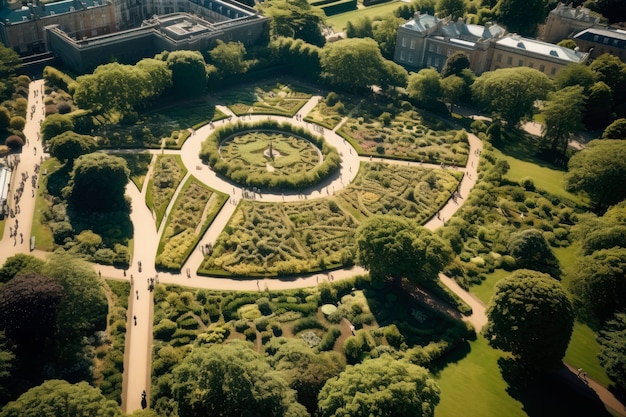
In addition to safety, outdoor lighting also plays a significant role in setting the mood and creating ambiance in your outdoor space. From soft, warm lights along a garden path to vibrant, colorful lights highlighting your favorite trees or flowers, the possibilities are endless. By carefully choosing the right lighting fixtures and placements, you can transform your outdoor area into a magical and inviting retreat.
The Maintenance: Keeping Your Outdoor Space Beautiful Year-Round

Ensuring the upkeep of your outdoor area throughout the year is essential for its overall appearance and functionality. Regular maintenance is key to preserving the beauty and health of your outdoor space, no matter the season.
| Regular Care | Consistent maintenance tasks such as mowing, weeding, and watering are crucial to the upkeep of your outdoor space. Regular care ensures that your landscape remains visually appealing and healthy year-round. |
| Seasonal Adjustments | Adapting your maintenance routine to the changing seasons is vital for the long-term health of your outdoor space. Tasks such as fertilizing in the spring and leaf removal in the fall help to keep your landscape in top condition. |
| Professional Help | Seeking assistance from landscaping professionals can help maintain the beauty of your outdoor space, especially for more specialized tasks such as tree trimming or pest control. Professional help ensures that your landscape receives the care and attention it needs. |
By prioritizing maintenance tasks and staying on top of routine care, you can ensure that your outdoor space remains beautiful and enjoyable throughout the year. Consistent effort and attention to detail are key to keeping your outdoor area in prime condition.
Question-answer:
What is considered the most important area of a residential landscape?
The most important area of a residential landscape is usually the front yard. It is the first thing that people see when they approach your home, so it sets the tone for the rest of the property.
How can I make my front yard stand out in a residential landscape?
You can make your front yard stand out by incorporating a mix of hardscape and softscape elements, adding colorful plants and flowers, installing outdoor lighting, and keeping the space well-maintained.
Why is curb appeal important in a residential landscape?
Curb appeal is important in a residential landscape because it can significantly increase the value of your home and make a great first impression on visitors. It also helps create a welcoming and aesthetically pleasing environment.
What are some common mistakes to avoid when designing a residential landscape?
Some common mistakes to avoid when designing a residential landscape include overcrowding plants, neglecting maintenance, ignoring the architecture of the home, and failing to create a cohesive design theme.
How can I create a functional and beautiful backyard in a residential landscape?
You can create a functional and beautiful backyard by incorporating different zones for dining, lounging, and recreation, selecting low-maintenance plants and materials, adding a focal point such as a fire pit or water feature, and creating a sense of privacy with strategic plantings or fencing.