
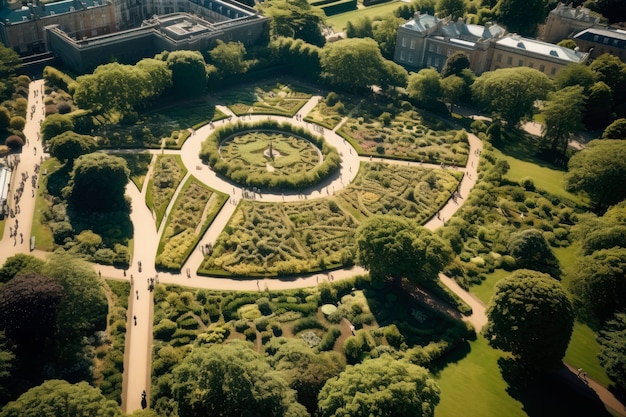
In this article, we delve into the intricate processes that shape the appearance and structure of Earth’s landscapes. By examining the gradual transformations that occur over time, we gain a deeper understanding of the forces at play in the creation of natural environments.
Unraveling the Mysteries of Terrain
From the erosion of rock formations to the deposition of sediment, the evolution of landforms is a complex interplay of geological, climatic, and biological factors. By unraveling these mysteries, we uncover the underlying principles that govern the development of our planet’s diverse landscapes.
The Importance of Geology in Land Formation
Geology plays a vital role in shaping the Earth’s surface and determining the characteristics of different landscapes. The study of geology helps us understand how the underlying rock formations, soil composition, and geological processes influence the formation and evolution of landforms.
The Influence of Geological Structures
Various geological structures, such as faults, folds, and rock types, play a significant role in determining the shape and features of landscapes. For example, tectonic movements along fault lines can create mountains, valleys, and plateaus, while the erosion resistance of different rock types can lead to the formation of cliffs, canyons, and caves.
The Role of Geological Processes
Geological processes like weathering, erosion, and deposition continuously sculpt the Earth’s surface, shaping its topography and landforms. By studying these processes, geologists can better understand how landscapes evolve over time and how human activities can impact the natural formation of land.
Climate and Weather Patterns Impact on Landscapes
Climate and weather dynamics play a significant role in shaping the physical features of the earth’s surface. The interaction of various climate elements such as temperature, precipitation, wind patterns, and humidity directly influences the formation and evolution of different landscapes around the world. Understanding the impact of these environmental factors is crucial in analyzing the natural processes that contribute to the development of diverse landforms.
The Influence of Temperature and Precipitation

The distribution of temperature and precipitation across different regions creates distinct environmental conditions that shape the characteristics of landscapes. The amount of heat and moisture present in an area affects the rate of weathering and erosion, leading to the formation of unique land features such as mountains, valleys, and deserts. The balance between temperature and precipitation also determines the types of vegetation that thrive in a particular region, further contributing to the diversity of landscapes.
Wind Patterns and Erosion
Wind patterns play a crucial role in the process of erosion, carrying sediments and shaping the surface of the land over time. The direction and strength of prevailing winds can create distinct landforms such as sand dunes, cliffs, and rock formations. The erosive power of wind, combined with other climatic factors, influences the development of coastal landscapes, deserts, and arid regions. By studying the impact of wind patterns on landscapes, scientists can gain valuable insights into the long-term evolution of various geographical features.
| Climate Element | Impact on Landscapes |
|---|---|
| Temperature | Affects the rate of weathering and erosion, influencing landform formation. |
| Precipitation | Determines the availability of water and vegetation, shaping landscape characteristics. |
| Wind Patterns | Erodes land surfaces and creates distinct geological features over time. |
Human Influence on Landscape Transformation
Human activities have played a significant role in shaping the environment over time. Our actions, whether intentional or unintentional, have altered the natural landscape in numerous ways. This section explores the impact of human influence on the transformation of the land, highlighting the various factors that contribute to these changes.
Urbanization and Industrialization
- The rapid growth of cities and the expansion of industrial activities have led to the transformation of natural landscapes into urbanized areas.
- Urbanization and industrialization have resulted in the destruction of forests, wetlands, and other natural habitats, leading to habitat loss for many plant and animal species.
- The increase in paved surfaces and infrastructure has disrupted natural drainage patterns, leading to issues such as flooding and erosion.
Agricultural Practices and Land Use Changes

- Intensive agricultural practices, such as monoculture farming and the use of pesticides and fertilizers, have degraded soil quality and contributed to the loss of biodiversity.
- The conversion of natural landscapes into agricultural land has altered ecosystems, reducing the availability of food and shelter for wildlife.
- Land use changes, such as deforestation for agriculture or urban development, have resulted in the fragmentation of habitats and the isolation of species populations.
Vegetation as a Key Player in Landscape Evolution
Flora plays a crucial role in the transformation of the Earth’s surface over time. Plants, trees, and other forms of vegetation have a significant impact on the development, shape, and characteristics of the environments in which they grow. Their presence or absence can influence erosion patterns, soil composition, water availability, and the overall appearance of a landscape.
Through processes such as photosynthesis, root growth, and nutrient cycling, vegetation interacts with the physical elements of the environment to create a dynamic and ever-changing landscape. The adaptation and evolution of plant species to specific conditions shape the biodiversity and resilience of ecosystems, contributing to the overall productivity and stability of the land.
- Plant communities act as stabilizers, holding soil in place and preventing erosion.
- Vegetation influences the water cycle by absorbing and releasing moisture, affecting local precipitation patterns.
- The decomposition of plant material enriches the soil, supporting the growth of other organisms and promoting ecosystem health.
By studying the relationship between vegetation and landscape evolution, scientists gain insights into the complex interplay between living organisms and their physical surroundings. Understanding how flora shapes and responds to environmental changes is essential for effective land management and conservation efforts.
The Role of Water in Shaping Landforms
Water plays a critical role in the formation and transformation of natural features on Earth’s surface. Its constant movement and interaction with the land shape the terrain over time, creating a variety of landforms that are both striking and diverse.
- 1. Erosion: Water erodes the land by wearing away rocks and soil, carving out valleys, canyons, and cliffs. The force of flowing water can gradually reshape the landscape, sometimes dramatically altering its appearance.
- 2. Deposition: Water also deposits sediment in various locations, such as river deltas, beaches, and floodplains. This process contributes to the formation of new landforms and helps to build up or replenish existing ones.
- 3. Weathering: Water is involved in different types of weathering processes, including physical, chemical, and biological weathering. These processes break down rocks and minerals, leading to the formation of unique landforms like caves, arches, and hoodoos.
Overall, water’s role in shaping landforms is fundamental to our understanding of geographical evolution and the complex interactions between Earth’s elements. By studying the effects of water on the landscape, we can gain insights into the processes that have shaped our planet over millions of years.
Topography and its Influence on Landscape Features
The geographical features and characteristics of the land play a significant role in shaping the overall appearance and composition of the natural environment. The elevation, slope, and contour of the terrain have a direct impact on the formation of various landscape elements, such as landforms, vegetation patterns, and water bodies.
Topography determines the distribution of resources, influences the movement of water and sediments, and shapes the biodiversity of an area. The interaction between topographic features and environmental processes creates a dynamic and ever-changing landscape that reflects the geological history and climatic conditions of a region.
Understanding the relationship between topography and landscape features is essential for professionals in the field of geography, geology, and environmental science. By analyzing the topographic characteristics of a particular area, researchers can gain valuable insights into the formation of landforms, the distribution of ecosystems, and the potential impact of human activities on the natural environment.
The Concept of Time in Landscape Development
Time plays a crucial role in the formation and transformation of natural environments. Over the course of centuries, landscapes evolve through a series of gradual processes that shape the physical features and ecological characteristics of a region. Understanding the role of time in landscape development is essential for comprehending the intricate relationships between geological forces, climatic conditions, and biological interactions.
- Temporal Perspective: Examining landscapes from a temporal perspective allows us to appreciate the dynamic nature of the Earth’s surface. Changes occur over periods ranging from minutes to millions of years, influencing the topography, vegetation patterns, and soil composition of a particular area.
- Historical Context: By considering the historical context of landscape development, we can trace the legacy of past events and human activities that have left their mark on the environment. For example, land use practices, such as agriculture and urbanization, have significantly altered the natural landscape over time.
- Successional Processes: Successional processes illustrate how landscapes transition from one state to another through a sequence of stages. These stages reflect the gradual progression of ecological communities towards a more complex and diverse state, driven by interactions between species and environmental factors.
Overall, the concept of time in landscape development underscores the interconnectedness of past, present, and future dynamics that shape the Earth’s surface. By examining the temporal dimension of landscapes, we gain a deeper understanding of the complexity and resilience of natural systems in the face of environmental change.
How Geographic Location Affects Landscape Characteristics
One of the most significant factors influencing the features of a surrounding environment is where it is situated geographically. The location of a place can have a profound impact on its physical attributes, such as terrain, climate, vegetation, and landforms. Understanding how these elements interact with each other can provide valuable insights into the formation and evolution of landscapes.
Climate and Geography
The climate of a region, determined by its position on the globe, plays a crucial role in shaping its landscape. Places closer to the equator typically experience warmer temperatures, while those near the poles are colder. This variation in climate influences factors such as erosion, weathering, and vegetation growth, ultimately shaping the overall appearance of the land.
Topography and Terrain
The topography and terrain of a place are also heavily influenced by its geographic location. Coastal regions, for example, tend to have flatter landscapes due to the presence of water bodies, while mountainous areas are characterized by rugged terrain and high elevations. These physical features not only impact the aesthetics of a landscape but also play a crucial role in determining its ecological diversity and ecosystem dynamics.