
In order to comprehend the development of Earth’s external features, it is essential to delve into the intricate processes that shape the world around us. The intricate interplay of natural forces and geological formations forms the basis for the diverse and captivating landscapes that grace our planet.
Exploring the genesis of natural scenery involves an exploration of the dynamic forces at play within the Earth’s crust. From the gradual erosion caused by wind and water to the powerful tectonic movements that sculpt mountains and valleys, the formation of landscapes is a testament to the enduring power of nature.
A deep dive into the geographical transformations that define our planet unveils a world of constant change and evolution, where time and nature collude to create breathtaking vistas and unique landforms.
Exploring the Forces That Shape the Earth’s Features
When examining the processes that mold the characteristics of our planet’s surface, it becomes clear that a myriad of dynamic forces are at work. These powerful mechanisms interact and constantly reshape the physical features of the Earth, creating the diverse landscapes and terrains that we see today.
Impact of Geological Forces
Geological forces, such as tectonic plate movements and volcanic activity, play a significant role in shaping the Earth’s surface. Through processes like erosion and deposition, these forces sculpt mountains, valleys, and other landforms over millions of years, gradually altering the landscape in profound ways.
The Influence of Weathering and Erosion
Weathering and erosion are natural processes that break down rocks and transport sediment, contributing to the continuous transformation of landscapes. As water, wind, and ice wear away at the Earth’s surface, they reveal the underlying geological features and reshape the terrain, creating new formations and patterns.
From tectonic activity to erosion
In the natural world, the dynamic processes that shape the Earth’s surface are a complex interplay between forces of tectonic activity and erosion. These natural forces work together to sculpt and modify the landscapes around us, creating the diverse and awe-inspiring environments that we see today.
The role of tectonic activity
At the heart of landscape formation lies tectonic activity, the movement of the Earth’s lithosphere that leads to the creation of mountains, valleys, and other geological features. This powerful force, driven by the Earth’s internal heat and pressure, shapes the surface of the planet over millions of years, constantly reshaping and remolding the land.
From the mighty Himalayas to the depths of the Grand Canyon, tectonic activity plays a crucial role in creating the stunning landscapes that capture our imagination and wonder.
The power of erosion
Complementing the forces of tectonic activity is erosion, the process by which rock and soil are worn away by natural elements such as water, wind, and ice. While tectonic activity may create the initial landforms, it is erosion that sculpts and refines them, shaping the contours of the land and creating the intricate patterns and features that define our natural world.
From the gentle shaping of river valleys to the dramatic cliffs of coastal shores, erosion is a powerful force that works hand in hand with tectonic activity to create the breathtaking landscapes that surround us.
The role of water, wind, and ice
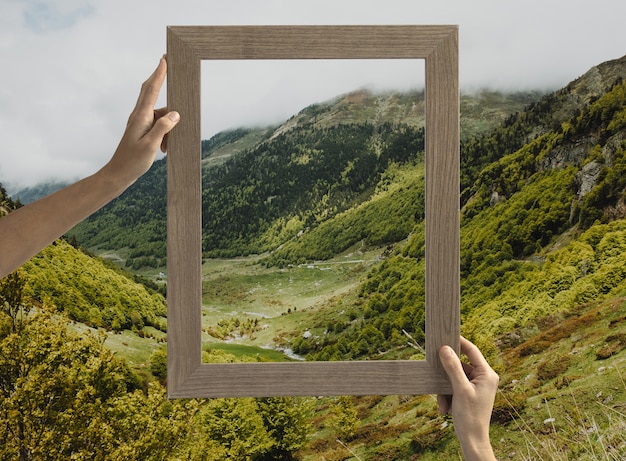
Water, wind, and ice play crucial roles in shaping the Earth’s surface. These powerful forces work together to erode, transport, and deposit rock and sediment, creating diverse landscapes across the planet.
Power of Water

Water is a primary agent of landscape formation, carving out valleys, canyons, and river deltas through processes like erosion and deposition. Its ability to wear down rock over time creates unique landforms that reflect the dynamic nature of Earth’s surface.
Wind and Ice Sculpting

Wind and ice also contribute to the sculpting of landscapes, shaping sand dunes, rocky cliffs, and glacial valleys. Wind erosion can create intricate patterns in rocks and soil, while glaciers can carve out deep, U-shaped valleys as they flow over the land.
Geological processes over millions of years
Across vast stretches of time, the Earth’s surface has been shaped and transformed by a series of natural forces and actions. These processes, spanning millions of years, have left behind a rich tapestry of geological features that we see and interact with today.
- Gradual weathering and erosion of rocks
- Continual movement of tectonic plates
- Formation and shifting of landmasses
- Eruption of volcanoes and creation of mountains
- Deposition of sediments and formation of sedimentary rocks
Each of these processes has played a crucial role in shaping the landscapes that we see around us, from majestic mountain ranges to sprawling plains and deep ocean trenches. By examining and understanding these geological processes over millions of years, we can gain insights into the dynamic forces that have sculpted our planet over time.
How human activities impact landscapes
Human actions have a significant influence on the environment and shape the natural surroundings in various ways. The way people interact with their surroundings can change the appearance, structure, and functionality of the land, altering its characteristics over time.
Deforestation
One of the most destructive human activities affecting landscapes is deforestation, where forests are cleared for agricultural or urban development purposes. This process not only removes important habitats for diverse wildlife but also disrupts the natural ecosystems, leading to soil erosion, loss of biodiversity, and changes in climate patterns.
Urbanization
The rapid expansion of urban areas due to population growth and industrialization has a profound impact on landscapes. Urbanization results in the transformation of open spaces into built environments, altering the natural features of the land and creating heat islands, pollution, and loss of green spaces. This can lead to a decrease in air quality, water resources, and overall environmental health.
| Human Activity | Impact on Landscapes |
|---|---|
| Industrialization | Increased pollution and habitat destruction |
| Agriculture | Loss of natural vegetation and soil degradation |
| Mining | Excavation of land and contamination of water sources |
The importance of biodiversity in shaping landscapes
Biodiversity plays a crucial role in the formation and development of various geographical features. The variety of plant and animal species in an ecosystem contributes to the overall health and stability of the environment. By influencing factors such as soil composition, water availability, and climate patterns, biodiversity directly impacts the formation of diverse landscapes.
Enhancing ecosystem resilience
Diverse ecosystems are more resilient to external pressures, such as natural disasters or human activities. A wide range of species ensures that the ecosystem can adapt to changes and maintain its functionality over time. This resilience is essential for the long-term sustainability of landscapes and the services they provide to both wildlife and human populations.
Promoting ecosystem services
Biodiversity also plays a key role in supporting ecosystem services that are vital for the functioning of landscapes. These services include water purification, pollination, and carbon sequestration, among others. The presence of a variety of species ensures that these services are efficiently carried out, benefiting both the environment and society as a whole.
The concept of a dynamic balance in natural terrain
In the dynamic equilibrium of Earth’s features, a harmonious balance is maintained between various elements to create the diverse landscapes we observe today. Through a delicate interplay of forces, such as erosion, deposition, and tectonic movements, the terrain undergoes constant change while remaining in a state of equilibrium.
The role of erosion and deposition
Erosion and deposition are key processes that shape the land over time. As water, wind, and ice erode the Earth’s surface, they carry sediment to new locations where it is deposited, forming new landforms. These processes work together in a continuous cycle, sculpting and reshaping the landscape in a dynamic dance of creation and destruction.
| Example of erosion: | Wind carving rock formations in a desert landscape |
| Example of deposition: | River sediments creating a delta at the mouth of a river |
Examining the influence of climate on the formation of geographical features
Exploring how different weather patterns and temperatures impact the development of natural land features, such as mountains, water bodies, and soil composition, is crucial for understanding the dynamic relationship between climate and landscapes.
Climate plays a significant role in shaping the physical characteristics of various regions, influencing erosion rates, vegetation growth, and the overall geomorphology of the land. By analyzing the effects of climate on landscapes, researchers can gain valuable insights into the long-term processes that contribute to Earth’s diverse terrain.
Future projections for landscape evolution
In the coming years, researchers will continue to explore the development and transformation of the Earth’s surface. As we look ahead, it is important to consider the potential changes in landforms and features, the mechanisms driving these changes, and the implications for ecosystems and human societies.
Question-answer:
What factors contribute to the formation of landscapes?
The formation of landscapes is influenced by a variety of factors such as geological processes, climate, vegetation, and human activities. These factors interact with each other to shape the physical features of a particular region.
Can human activities significantly alter the formation of landscapes?
Yes, human activities such as deforestation, mining, urbanization, and agriculture can have a significant impact on the formation of landscapes. These activities can lead to changes in topography, soil composition, and vegetation patterns.
How do geological processes contribute to the formation of landscapes?
Geological processes such as erosion, tectonic movements, and volcanic activity play a crucial role in shaping the physical features of landscapes. These processes can create mountains, valleys, and other landforms over millions of years.
Why is it important to understand the formation of landscapes?
Understanding the formation of landscapes is important for various reasons. It helps us appreciate the natural processes that shape our environment, make informed decisions about land use and conservation, and anticipate and mitigate potential hazards such as landslides and erosion.
How can studying the formation of landscapes help in land use planning?
Studying the formation of landscapes provides valuable insights into the geological, climatic, and ecological factors that influence a particular region. This knowledge can help in making informed decisions about land use planning, resource management, and environmental conservation.
What factors contribute to the formation of landscapes?
Landscapes are formed by a combination of natural processes such as weathering, erosion, deposition, tectonic activity, and human activities. Each of these factors plays a role in shaping the land over time.
How long does it take for a landscape to form?
The time it takes for a landscape to form varies depending on the geological processes at work. Some landscapes can form relatively quickly, while others may take millions of years to fully develop. Factors such as the type of rock, climate, and tectonic activity all play a role in determining the speed of landscape formation.