
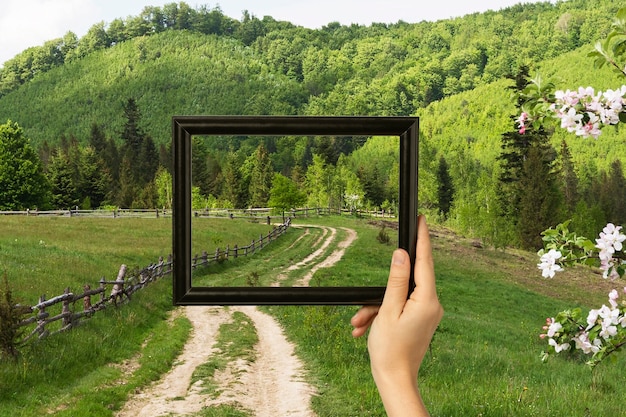
Exploring the visual expression of expansive landscapes through the medium of capturing nature’s beauty in its panoramic glory.
Delving into the intricacies of wide-angle photography, immersed in the artistic craftsmanship of framing sweeping vistas unveiled before the lens.
Framing the Environment: Basics of Capturing the Natural World
When venturing into the great outdoors with your camera in hand, it’s essential to understand the fundamental principles of composing and capturing the beauty of the environment. In landscape photography, it’s not just about pointing and shooting; it’s about framing the natural world in a way that conveys its grandeur, tranquility, and uniqueness.
The Rule of Thirds
One of the most basic principles in landscape photography is the rule of thirds. This guideline suggests dividing your frame into thirds both horizontally and vertically, creating nine equal sections. By placing key elements along these lines or their intersections, you can achieve a more visually pleasing composition that draws the viewer’s eye into the image.
Choosing the Right Perspective
Another crucial aspect of landscape photography is selecting the right perspective. Whether it’s a low angle to emphasize the foreground details or a high vantage point to capture the vastness of the scene, your choice of perspective can greatly impact the overall mood and message of your photograph. Experiment with different angles and viewpoints to discover the most compelling way to frame the environment.
| Tip | Explore different lighting conditions, such as sunrise and sunset, to add drama and depth to your landscape shots. |
|---|
Playing with Perspective: Creating Depth in Landscapes
Exploring the way we see and experience the world through our camera lens is an essential aspect of capturing stunning images. By manipulating perspective, photographers can enhance the sense of depth in their landscape photos, adding layers and dimension to the scene. In this section, we will delve into techniques that allow you to play with perspective and create a more immersive viewing experience for your audience.
- Utilizing leading lines to draw the viewer’s eye into the image and create a sense of depth.
- Experimenting with different vantage points to showcase foreground elements and create a dynamic composition.
- Using framing techniques to enclose the main subject and provide context within the landscape.
- Employing the rule of thirds to balance elements within the frame and guide the viewer’s gaze through the scene.
By incorporating these strategies into your photography practice, you can elevate your landscape images and evoke a deeper emotional response from your audience. Playing with perspective allows you to transform a flat, two-dimensional image into a captivating visual story that draws viewers in and invites them to explore the depth and beauty of the natural world.
Mastering Composition: Rule of Thirds and Leading Lines
Enhancing your visual storytelling through strategic placement of subjects, lines, and points of interest can be achieved by mastering the principles of the Rule of Thirds and Leading Lines. These compositional techniques act as guidelines for creating dynamic and engaging photographs that draw the viewer’s eye into the image and create a sense of balance and harmony.
- Rule of Thirds: By dividing your frame into a grid of nine equal parts with two horizontal and vertical lines, you can place your main subject or points of interest along these lines or at their intersections. This helps to create a more aesthetically pleasing and well-balanced composition.
- Leading Lines: Utilizing lines in your composition that lead the viewer’s eye towards the main subject or through the image can add depth and visual interest. Whether they are literal lines in the scene or implied lines created by elements such as roads, rivers, or buildings, leading lines can create a sense of movement and guide the viewer’s gaze.
By incorporating these compositional techniques into your photography, you can elevate your images from ordinary snapshots to compelling works of art that capture the viewer’s attention and tell a visually engaging story. Experiment with the Rule of Thirds and Leading Lines in different shooting scenarios to discover how they can enhance the impact and visual appeal of your photographs.
Utilizing Light and Shadows: Enhancing Scenic Captures
In the realm of image-making, the interplay between light and shadows can truly elevate landscape photography. By harnessing the dynamic contrast between bright highlights and deep shadows, photographers can create compelling and emotive scenes that captivate the viewer’s attention.
When sunlight filters through the clouds, casting soft, diffused light across a serene landscape, it adds a sense of depth and dimension to the image. Shadows, on the other hand, can create an element of mystery and intrigue, drawing the viewer’s eye towards hidden details within the frame.
Experimenting with different lighting conditions, such as golden hour or blue hour, can drastically transform the mood and atmosphere of a landscape shot. By understanding how light interacts with the natural environment, photographers can strategically position themselves to capture the most captivating moments.
Ultimately, mastering the art of utilizing light and shadows in landscape photography requires patience, observation, and a keen eye for composition. By honing these skills, photographers can create visually stunning images that transcend the ordinary and evoke a sense of wonder in the viewer.
Exploring Different Techniques: Long Exposure and HDR
In this section, we will delve into various methods and approaches that photographers can use to enhance their images. By experimenting with long exposure and HDR techniques, photographers can capture unique and visually stunning landscapes that bring a sense of dynamic motion and vivid detail to their work.
- Long Exposure: This technique involves using a slow shutter speed to capture moving subjects in a way that blurs their motion, creating a sense of fluidity and movement in the final image. By experimenting with different exposure times, photographers can achieve a variety of effects, from smooth waterfalls to streaking clouds.
- HDR (High Dynamic Range): HDR photography involves capturing multiple exposures of the same scene at different exposure levels and combining them to create an image with a wider dynamic range of light and detail. This technique is especially useful in capturing scenes with high contrast lighting, such as landscapes with bright skies and shadowy foregrounds.
By mastering these techniques, photographers can take their landscape photography to the next level, creating images that stand out and capture the beauty and essence of the natural world in a truly unique and impactful way.
Choosing the Right Equipment: Cameras, Lenses, and Filters
When delving into the world of capturing images, it is essential to select the proper tools for the job. This section focuses on the equipment necessary for achieving stunning photographs in various landscapes. Cameras, lenses, and filters play crucial roles in shaping the final outcome of your images. Understanding the characteristics and capabilities of each component is vital in elevating your photography game.
Selecting the Perfect Camera
- Consider the type of photography you will be focusing on when choosing a camera.
- Research different camera models and their features to find one that suits your needs.
- Look for cameras with high resolution sensors for capturing intricate details in landscape shots.
Choosing the Right Lenses and Filters

- Invest in a wide-angle lens to capture expansive landscapes in all their glory.
- Experiment with different filters to enhance colors, reduce glare, or add creative effects to your photos.
- Quality lenses and filters are essential for achieving sharp and vibrant images in various lighting conditions.
Post-Processing Tips: Enhancing Nature Images Like a Professional
As you delve into the realm of post-processing for nature photography, it becomes essential to understand the subtleties of editing techniques. Mastering the art of enhancing landscape photos can elevate your work to a professional level, capturing the essence of the natural world in a captivating manner.
|
1. Selective Adjustments Focus on specific areas of your landscape image by using selective adjustments. This allows you to enhance details in key areas without affecting the overall composition. |
|
2. Color Correction Ensure that the colors in your landscape image are true to life by adjusting the white balance and saturation. Enhancing the vibrancy of the colors can make your photo more visually appealing. |
|
3. Contrast Enhancement Bring out the depth and dimensionality of your landscape scene by adjusting the contrast. This helps to create a more dynamic and impactful image. |
By incorporating these post-processing tips into your workflow, you can significantly improve the quality of your landscape photos and create stunning visual narratives that resonate with viewers.
Inspiration from Masters: Studying Famous Landscape Photographers
Exploring the works of renowned individuals in the field of capturing the beauty of nature through the lens can provide valuable insights and inspiration for aspiring photographers. By delving into the portfolios of celebrated artists who have mastered the art of capturing natural scenery, one can learn about different techniques, compositions, and perspectives that make their photographs stand out.
Learning from the Legends
Through studying the works of iconic figures such as Ansel Adams, Galen Rowell, and Annie Leibovitz, photographers can gain a deeper understanding of how to effectively convey the grandeur and serenity of landscapes in their own creations. These masters have honed their skills over years of practice, experimentation, and dedication to their craft, resulting in timeless pieces that continue to captivate audiences worldwide.
By analyzing the distinctive styles, choice of subjects, and use of lighting in the photographs of these renowned artists, photographers can enhance their own technique and develop a unique vision that sets them apart in the competitive world of landscape photography.