

Before sowing grass seed, it is essential to prepare the soil properly to ensure healthy growth and a lush, green lawn. One important step to take before planting grass seed is to apply a layer of topsoil. Topsoil is rich in nutrients and organic matter, providing a fertile environment for seeds to germinate and develop strong roots.
In addition to topsoil, it is beneficial to add a layer of compost to the soil before seeding. Compost helps improve soil structure, retain moisture, and enhance nutrient availability for the grass seed. Mixing compost with the topsoil creates a balanced growing medium that promotes healthy grass growth.
After applying topsoil and compost, it is recommended to further prepare the soil by tilling or raking it to create a smooth, even surface. Removing any debris or rocks and leveling the soil will help ensure uniform seed distribution and optimal seed-to-soil contact, resulting in better germination and establishment of the grass seed.
Conduct a soil test
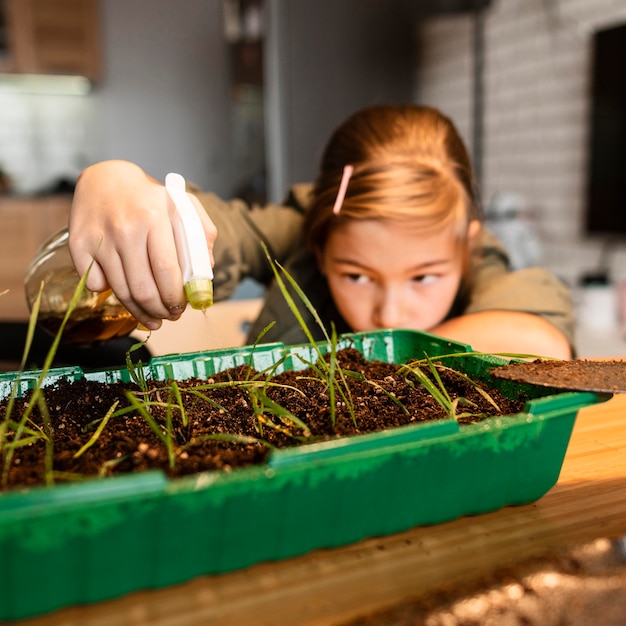
Before seeding your lawn, it is essential to conduct a soil test to determine the pH level and nutrient content of your soil. This will help you identify any deficiencies that need to be addressed before planting grass seed.
Soil tests can be easily done using DIY kits or by sending soil samples to a testing laboratory. The results will provide you with valuable information on the soil’s composition and what amendments, such as lime or fertilizer, may be needed to create an optimal growing environment for your grass seed.
Clear the area of debris
Before seeding your grass, it is important to ensure that the area is free of any debris such as rocks, sticks, and leaves. Clearing the area of debris will create a clean and even surface for the grass seed to establish and grow.
Take some time to walk around the area and remove any obstacles that could hinder the growth of your grass. This simple step can make a big difference in the overall success of your lawn seeding project.
Loosen the soil
Before spreading grass seed, it’s important to loosen the soil to create a better environment for new grass growth. You can do this by using a rake or a garden fork to break up any compacted areas and remove debris. This will help the grass roots penetrate the soil easily and absorb water and nutrients more effectively.
Loosening the soil also allows for better air circulation, which is essential for the health of the grass seeds. It helps prevent waterlogging and promotes proper drainage, reducing the risk of diseases and root rot.
Additionally, loosening the soil helps to level the surface, creating a more even base for the grass seed to be evenly spread. This will result in a more uniform and attractive lawn once the grass grows in.
Apply a starter fertilizer
Before sowing grass seeds, it is recommended to apply a starter fertilizer to the soil. This will provide essential nutrients for the seeds to germinate and establish strong roots. Look for a fertilizer specifically designed for new grass seed, as it will have the right balance of nutrients for young plants.
Follow the instructions on the fertilizer packaging for the correct application rate. Generally, you will want to spread the fertilizer evenly over the soil using a spreader, making sure not to apply too much in one area. Water the area well after applying the fertilizer to help it penetrate the soil and provide the nutrients to the seeds.
Consider adding organic matter

Before you sow grass seed, it’s important to consider adding organic matter to your soil. Organic matter, such as compost or peat moss, helps improve soil structure, provides essential nutrients, and promotes healthy root growth for your new grass seed.
By adding organic matter to your soil, you can increase moisture retention, enhance soil fertility, and create a better environment for seeds to germinate and establish strong roots. Additionally, organic matter can help improve overall soil health and microbial activity, leading to a lush and vibrant lawn.
| Benefits of adding organic matter: |
|---|
| Improves soil structure |
| Provides essential nutrients |
| Promotes healthy root growth |
| Increases moisture retention |
| Enhances soil fertility |
Level the soil
Prior to seeding your grass, it is crucial to ensure that the soil is level and free of any major irregularities. Use a rake to gently smooth out the surface, filling in any low spots and breaking up any clumps of soil. This will create a more even planting surface and help the grass seed to establish uniformly.
Choose the right grass seed for your soil
Before seeding your lawn, it is crucial to choose the right type of grass seed that will thrive in your soil conditions. Here are some key considerations to keep in mind:
Sunlight Exposure
- If your lawn receives full sun throughout the day, opt for grass seed varieties that are designated as “full sun” or “sun-loving.”
- For shady areas, choose grass seed blends specifically formulated for low-light conditions.
Soil pH and Composition
- Test your soil to determine its pH level and composition. Grass seed varieties have specific pH and soil composition requirements for optimal growth.
- Adjust the soil pH if needed before seeding, as certain grass types prefer acidic or alkaline soil conditions.
By selecting the right grass seed for your soil, you can ensure a lush and healthy lawn that will thrive for years to come. Take the time to research and choose the best grass seed varieties that match your soil conditions for successful lawn establishment.
Water the area thoroughly
Before seeding your lawn, it’s crucial to water the area thoroughly. This will help prepare the soil for the grass seed and create the ideal environment for germination.
Make sure to water the soil evenly to ensure that the entire area is properly moistened. This will help the grass seed establish strong roots and grow successfully.
It’s important to continue watering regularly after seeding to keep the soil consistently moist. Avoid overwatering, as this can lead to issues such as rotting or fungal growth.
Question-answer:
What should I put on soil before planting grass seed?
Before planting grass seed, it is important to prepare the soil properly to ensure optimal growth. One common practice is to apply a layer of topsoil to the existing soil. This can help improve the soil structure, provide nutrients, and create a better environment for the grass seed to germinate and establish. Additionally, you may want to consider adding organic matter such as compost or peat moss to further enrich the soil and promote healthy root growth.
Do I need to use any fertilizers before planting grass seed?
Using a fertilizer before planting grass seed can be beneficial, as it can provide the necessary nutrients for the seeds to germinate and grow. However, it is important to choose a fertilizer that is specifically formulated for new grass seed, as using the wrong type or applying too much can actually harm the seeds. Always follow the manufacturer’s instructions and consider consulting with a gardening professional for specific recommendations based on your soil type and grass seed variety.
Can I use mulch on the soil before planting grass seed?
Applying a layer of mulch before planting grass seed can help retain moisture in the soil, protect the seeds from birds or other pests, and provide insulation for the developing roots. However, it is important to choose a mulch that is free from weed seeds and is not too heavy or dense, as this can hinder seed germination. Organic mulches such as straw or hay are often recommended for use with grass seed.
Is it necessary to test the soil before planting grass seed?
Testing the soil before planting grass seed is highly recommended, as it can provide valuable information about the pH levels, nutrient content, and soil structure. This information can help you determine if any amendments are needed to create the optimal growing conditions for the grass seed. Soil testing kits are readily available at gardening centers or through agricultural extension services, and can give you a clear picture of what your soil needs for successful grass seed establishment.
Should I use a roller on the soil before planting grass seed?
Using a roller on the soil before planting grass seed can help create a firm, even surface for seeding and promote good seed-to-soil contact. This can improve seed germination rates and overall grass establishment. However, it is important not to over-compact the soil, as this can hinder root growth and water infiltration. It is best to lightly roll the soil after seeding to ensure good seed-to-soil contact without compacting the soil too much.
What type of soil do I need to put before planting grass seeds?
Before planting grass seeds, it is important to prepare the soil properly. One of the key factors to consider is the type of soil you have in your lawn. The ideal soil for grass seed planting is loamy soil, which is a balanced mixture of sand, silt, and clay. Loamy soil provides good drainage, retains moisture well, and is rich in nutrients, making it an ideal environment for grass seed germination and growth. If your soil is not loamy, you may need to amend it by adding compost, topsoil, or other organic matter to improve its quality.