
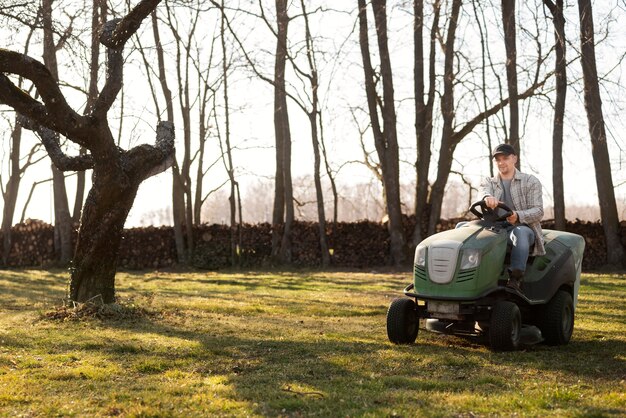
When it comes to mowing tall grass, it’s important to remember that taking the right approach can make a big difference in the health and appearance of your lawn. Many people mistakenly believe that cutting tall grass short is the best solution, but in reality, this can do more harm than good.
So, what actually happens if you mow tall grass? Tall grasses have deep root systems that help them withstand drought and other stresses. When you cut them too short, you expose these roots to sunlight, which can cause them to dry out and weaken the grass overall. Additionally, taller grass blades provide shade to the soil, helping to retain moisture and prevent weed growth.
To avoid damaging your lawn, it’s recommended to only mow one-third of the grass blade at a time. This allows the grass to recover quickly and maintain its overall health. If your grass has become excessively tall, consider mowing it at a higher setting initially and gradually lowering the cutting height over a series of mowings.
What Happens if You Mow Tall Grass
Mowing tall grass can lead to a range of potential issues for your lawn. One of the main problems is that cutting grass that is too long can put stress on the blades of your mower. This can result in uneven cuts and even damage to the mower itself. Furthermore, mowing tall grass can also cause the grass to become packed down, making it harder for sunlight, water, and nutrients to reach the roots.
In addition, mowing tall grass can create a breeding ground for pests and diseases. The damp and dense environment created by tall grass can attract insects and other pests, as well as promote the growth of mold and fungus. This can ultimately harm the health and appearance of your lawn, leading to brown patches and thinning grass over time.
To avoid these issues, it is recommended to mow your lawn regularly, especially during the peak growing season. It is best to mow when the grass is dry and only remove about one-third of the grass blade length at a time. This will help promote healthy growth and maintain a lush, green lawn. So, remember to keep your lawn well-maintained and avoid letting the grass get too tall before mowing!
Impact on Lawn Health

Mowing tall grass can have a negative effect on the health of your lawn. When grass is mowed too short, it can stress the plants, making them more susceptible to diseases, pests, and environmental stressors.
Leaving your grass too long can also prevent sunlight and air from reaching the lower parts of the plant, causing it to become weak and less able to fight off pests and diseases. Additionally, tall grass can create a thatch layer, which can inhibit water and nutrients from reaching the roots of the grass.
Risk of Damage to Lawnmower
Mowing tall grass can pose a risk of damage to your lawnmower. Blades that are set too low can get bogged down in the tall grass, causing strain on the engine and potentially damaging the motor.
To avoid this risk, it is important to adjust the cutting height of your lawnmower to a higher setting before mowing tall grass. This will allow the blades to cut through the grass more easily without putting too much strain on the motor.
Potential Hazards for Operator
When mowing tall grass, one of the potential hazards for the operator is the increased risk of hidden obstacles. Tall grass can hide rocks, branches, or other debris that can damage the mower or cause injury. It is important to walk through the area before mowing to check for any potential hazards and remove them.
Additionally, mowing tall grass can pose a risk of entanglement. Long grass can wrap around the mower blades, causing them to jam or become ineffective. This can be dangerous for the operator if they attempt to remove the obstruction while the mower is still running. Always turn off the mower and wait for the blades to stop completely before attempting to clear any tangled grass.
Lastly, mowing tall grass can also result in reduced visibility for the operator. Tall grass can obstruct the operator’s view of the terrain, making it difficult to see any hazards or obstacles in the path. This can increase the risk of accidents or injuries while mowing. It is essential to stay alert and focused, taking extra care when mowing tall grass to ensure safe operation.
When you mow tall grass, one of the consequences you may experience is a decreased aesthetic appeal in your lawn or yard. Taller grass can provide a lush and natural look, but when it is cut too short, it can appear uneven and patchy.
To avoid this issue, it is important to adjust the cutting height of your mower to accommodate the length of the grass. By gradually reducing the height of the grass with each mowing session, you can maintain a more even and visually appealing appearance.
Additionally, using a sharp mower blade is key to achieving a clean cut that enhances the overall look of your lawn. Dull blades can tear the grass, leading to a rough and unkempt appearance.
By paying attention to the height of your grass and the sharpness of your mower blade, you can prevent the decreased aesthetic appeal that may result from mowing tall grass too short.
Inefficient Grass Cutting
When it comes to cutting tall grass, it is essential to avoid inefficient methods that can do more harm than good to your lawn. Mowing tall grass at once can lead to clumping and uneven cuts, resulting in an unhealthy lawn.
- Start by adjusting your mower deck to the highest setting to prevent cutting the grass too short in one pass.
- Consider mowing more frequently and gradually reducing the height of the grass with each pass until you reach the desired height.
- Collect clippings to prevent smothering the grass and allow sunlight and nutrients to reach the soil.
- Regularly sharpen your mower blades to ensure clean cuts and prevent tearing of the grass blades.
By following these simple yet effective steps, you can efficiently cut tall grass without causing damage to your lawn and promote healthy growth for a vibrant, lush yard.
Promotion of Weed Growth
Mowing tall grass too short can actually promote the growth of weeds in your lawn. When grass is cut too low, it can stress the grass and weaken its roots, creating an opportunity for weeds to take over. It’s important to mow at the right height to maintain a healthy lawn.
Proper Mowing Height

Most grass types should be mowed at a height of 3-4 inches to promote a healthy lawn and prevent weed growth. Mowing too short can expose the soil and allow weeds to germinate, while mowing too tall can shade the grass and prevent it from thriving. Finding the right balance is key to maintaining a lush, weed-free lawn.
Increased Risk of Pests and Disease
Mowing tall grass can increase the risk of pests and diseases in your lawn. When grass is left too long, it provides a perfect habitat for insects and pests to thrive. Tall grass can also create shade and moisture, which are ideal conditions for diseases such as fungus to spread.
Regular mowing helps to keep the grass at an optimal height, reducing the likelihood of pests and diseases taking over. It is recommended to mow your lawn frequently, especially during the growing season, to maintain a healthy turf.
| Benefits of Regular Mowing: | Risks of Mowing Tall Grass: |
|---|---|
| Promotes healthy growth | Increased pests and diseases |
| Improves appearance | Creates shade and moisture |
| Prevents weed growth | Can lead to fungal infections |
| Enhances overall lawn health | Compromises turf quality |
Remember to adjust your mower blade height according to the season and grass type to ensure optimal results. By staying on top of your lawn maintenance and cutting grass to the proper height, you can reduce the risk of pests and diseases, ultimately maintaining a lush and healthy lawn.
Long-Term Consequences for Lawn Maintenance
- Mowing tall grass can lead to the spread of weeds and pests that thrive in overgrown conditions.
- It can also cause the grass to become stressed and more susceptible to diseases.
- Irregular mowing of tall grass can result in an uneven lawn surface, making it difficult for grass to grow evenly.
- Repeatedly mowing tall grass can weaken the root system of the grass, leading to thin and patchy areas in the lawn.
- In the long run, neglecting to mow tall grass can result in the need for more frequent and intensive lawn care to bring the lawn back to a healthy state.
Question-answer:
What are the potential consequences of mowing tall grass?
Mowing tall grass can have several negative consequences, such as damaging the grass blades, causing stress to the roots, and creating an uneven lawn appearance. Additionally, mowing tall grass may result in clumping of grass clippings, which can lead to thatch buildup and hinder proper grass growth.
How does mowing tall grass affect the overall health of the lawn?
Mowing tall grass can impact the health of the lawn by weakening the grass plants, making them more susceptible to pests, diseases, and environmental stressors. It can also disrupt the natural growth pattern of the grass and inhibit nutrient absorption, resulting in a less vibrant and healthy lawn.
Is it necessary to mow tall grass more frequently than shorter grass?
Yes, it is recommended to mow tall grass more frequently than shorter grass in order to prevent excessive stress on the grass blades and roots. By mowing tall grass regularly, you can maintain a uniform lawn height and promote healthy growth without causing harm to the grass.
What are some alternative methods to managing tall grass without mowing it?
Instead of mowing tall grass, you can consider using a string trimmer or brush cutter to cut the grass to a suitable height. Another option is to gradually reduce the grass height over several mowing sessions to avoid shock to the grass plants. Additionally, you can remove tall grass clippings and debris to prevent thatch buildup and improve air circulation in the lawn.