

When it comes to deciding between grass and turf for your outdoor space, it ultimately depends on your specific needs and preferences. Both options have their own unique advantages and considerations to keep in mind.
For those looking for a low-maintenance solution that stays green year-round, turf may be the ideal choice. With advancements in technology, artificial turf now closely resembles natural grass, offering a lush and uniform appearance without the need for constant watering and mowing.
On the other hand, natural grass provides a more traditional and environmentally friendly option. Grass helps to improve air quality, reduce erosion, and provide a natural habitat for insects and wildlife. However, maintaining a healthy lawn requires regular watering, mowing, and fertilizing, which may not be suitable for those with busy schedules.
In conclusion, the decision between grass and turf ultimately depends on your lifestyle, budget, and personal preferences. Whether you choose the natural beauty of grass or the convenience of artificial turf, both options have their own unique benefits that can enhance the look and functionality of your outdoor space. Consider your priorities and make an informed choice that suits your needs best.
Which is Better: Turf or Grass?
Turf has become a popular choice for many homeowners due to its low maintenance requirements and consistent appearance. While grass may offer a more natural look, it requires regular watering, mowing, and fertilizing to keep it looking its best.
When considering turf vs grass, it’s important to think about your specific needs and lifestyle. If you have a busy schedule and don’t have time to devote to lawn care, turf may be the better option for you. However, if you enjoy the process of tending to your lawn and prefer the look of natural grass, then grass may be the way to go.
Another factor to consider is the climate in your area. Turf is more drought-resistant and can withstand high temperatures, making it a good choice for hot and dry regions. Grass, on the other hand, may require more water and care in these conditions.
Ultimately, the decision between turf and grass comes down to personal preference and practicality. Consider your lifestyle, climate, and maintenance preferences before making a choice. Both options have their own benefits and drawbacks, so weigh them carefully before deciding which is better for you.
Cost Comparison
When it comes to the cost comparison between turf and natural grass, there are a few key factors to consider.
Turf Installation Costs
- Turf installation costs can be higher upfront due to the materials and labor involved.
- However, turf requires minimal maintenance and watering, which can save money in the long run.
Natural Grass Maintenance Costs
- Natural grass may have lower installation costs, but it requires regular maintenance such as mowing, watering, and fertilizing.
- These maintenance costs can add up over time and may exceed the initial savings of natural grass.
Ultimately, when considering the cost comparison between turf and natural grass, it’s important to weigh the upfront installation costs against the long-term maintenance costs to determine which option is more cost-effective for your specific needs.
Maintenance Requirements
Regular maintenance is essential for both turf and grass to ensure they remain healthy and lush. Here are some key maintenance requirements to consider:
1. Watering: Both turf and grass need regular watering to stay hydrated, especially during hot and dry periods. It’s important to water deeply but infrequently to encourage deep root growth.
2. Mowing: Proper mowing height is crucial for the health of both turf and grass. Avoid cutting more than one-third of the grass blade at a time and adjust the mowing height based on the season and type of grass.
3. Fertilizing: Regular fertilization is necessary to provide turf and grass with essential nutrients for growth. Be sure to choose the right type of fertilizer and follow the recommended application rates.
4. Weed control: Regularly inspect turf and grass for weeds and implement a weed control program as needed. Pre-emergent herbicides can help prevent weed growth, while post-emergent herbicides can be used to target existing weeds.
5. Aeration: Aerating the soil helps improve air and water penetration, promoting healthy root growth. Consider aerating your turf or grass annually or biannually, especially if the soil is compacted.
6. Disease and pest control: Keep an eye out for signs of disease or pest infestations in your turf or grass. Prompt treatment with fungicides or insecticides can help control these issues before they cause significant damage.
By following these maintenance requirements, you can ensure that both turf and grass in your lawn or landscape remain healthy and vibrant throughout the year.
Environmental Impact
Switching from turf to natural grass can have a positive environmental impact. Grass helps reduce air pollution by absorbing carbon dioxide and producing oxygen through photosynthesis. Additionally, grass helps reduce heat in urban areas, known as the urban heat island effect, by providing shade and cooling the air through evapotranspiration. Furthermore, natural grass lawns require less water compared to turf, reducing water consumption and minimizing the use of harmful pesticides and fertilizers. Overall, choosing natural grass over turf can contribute to a healthier and more sustainable environment.
Aesthetics and Curb Appeal
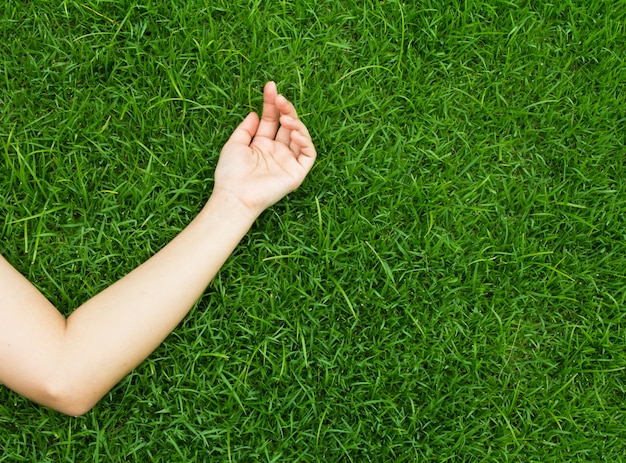
When it comes to aesthetics and curb appeal, both turf and grass have their own unique advantages. Turf offers a pristine and manicured look that requires minimal maintenance, making it a popular choice for homeowners who want a perfectly green lawn all year round. On the other hand, natural grass provides a more organic and traditional appearance that can enhance the overall beauty of a property.
To help you decide which option is better for your specific needs, consider the following factors:
1. Color and Texture: Turf often has a lush green color and a uniform texture that can instantly elevate the appearance of your outdoor space. In contrast, natural grass may have variations in color and texture depending on the season and maintenance practices.
2. Durability: While turf is known for its durability and resistance to heavy foot traffic, natural grass may require more frequent care to maintain its health and appearance.
3. Water Conservation: Turf requires regular watering to stay green and healthy, which may not be environmentally sustainable in areas with water restrictions. Natural grass, when properly managed, can be more water-efficient as it adapts to natural rainfall patterns.
Consider these factors when making your decision, and choose the option that best suits your preferences and lifestyle. Ultimately, the choice between turf and grass will depend on your aesthetic preferences and the level of maintenance you are willing to commit to.
Durability and Longevity
When it comes to durability and longevity, turf is often the better option compared to natural grass. Turf is designed to withstand heavy foot traffic, harsh weather conditions, and constant use without showing signs of wear and tear. It can maintain its lush green appearance year-round with minimal maintenance, making it a cost-effective choice in the long run.
Natural grass, on the other hand, requires regular mowing, watering, and fertilizing to keep it looking healthy. It is more prone to damage from high traffic areas and extreme weather conditions, which can result in bald patches and uneven growth. Over time, natural grass may require replacement or extensive repairs to maintain its appearance, adding to the overall cost and maintenance requirements.
In conclusion, if you are looking for a durable and long-lasting option for your outdoor space, turf is the ideal choice. With its low maintenance requirements and ability to withstand heavy use, turf provides a reliable and attractive solution for residential and commercial landscapes.
Playability and Performance
When it comes to choosing between turf and grass for your playing surface, it is essential to consider the playability and performance each option offers. Turf fields provide consistent playing conditions regardless of weather, making them ideal for year-round use. Grass fields, on the other hand, may require more maintenance to ensure optimal performance.
Players often prefer turf fields for their predictability and even surface, which can help prevent injuries and improve performance. However, some athletes may argue that grass fields offer a more natural feel and better traction for certain sports like soccer and football.
Ultimately, the choice between turf and grass will depend on the specific needs and preferences of the players using the field. Consider factors such as durability, maintenance requirements, and budget when making your decision to ensure the best playability and performance for your team or organization.
Health and Safety Considerations

When it comes to choosing between turf and natural grass for your lawn, it is important to consider the health and safety implications of each option. Turf can be a great choice for those looking for a low-maintenance lawn that stays green all year round. However, it is essential to remember that turf requires regular maintenance to prevent the build-up of bacteria and pests.
On the other hand, natural grass lawns provide a natural habitat for beneficial insects and wildlife, but they require more water, mowing, and fertilization to stay healthy. It is crucial to properly maintain natural grass to prevent the growth of weeds and the spread of diseases.
Additionally, it is important to consider the safety of your lawn for children and pets. Turf can provide a soft and even surface for play and activities, reducing the risk of injury. However, some turf materials may contain chemicals or toxins that could be harmful if ingested. Natural grass, on the other hand, is safe for children and pets to play on, but it may harbor ticks and other pests that could pose a health risk.
In conclusion, when choosing between turf and natural grass, consider the health and safety implications of each option to ensure a safe and enjoyable outdoor environment for you and your family.
Personal Preference and Lifestyle Needs
When deciding between turf and grass for your outdoor space, it ultimately comes down to your personal preference and lifestyle needs. Consider the amount of time and effort you are willing to dedicate to lawn maintenance. If you have a busy schedule and prioritize low maintenance, artificial turf might be the better option for you. On the other hand, if you enjoy the look and feel of real grass and don’t mind regular upkeep, natural grass could be more suitable.
Think about how you use your outdoor space. Do you have children or pets who need a soft surface to play on? Artificial turf provides a durable and safe play area, while natural grass can offer a more organic and inviting environment. Additionally, consider the climate and water restrictions in your area. Turf can be a more water-efficient choice, especially in regions with limited water resources.
Ultimately, the decision between turf and grass should align with your personal preferences and lifestyle needs. Whether you value convenience and low maintenance or prioritize the natural beauty and versatility of real grass, choose the option that best suits your outdoor living requirements.
Question-answer:
Is turf or grass better for a backyard lawn?
Choosing between turf and natural grass for your backyard lawn depends on several factors. Turf requires less maintenance and watering, making it a practical choice for those with busy schedules or who live in areas with water restrictions. On the other hand, natural grass provides a softer, more natural look and feel, but requires regular mowing and watering.
What are the key differences between turf and grass?
Turf is artificial grass made from synthetic materials, while natural grass is, well, natural! Turf is typically easier to maintain and doesn’t require watering or mowing, but it may not look as lush or feel as soft underfoot as natural grass. Natural grass, on the other hand, requires regular maintenance but provides a more traditional look and feel.
Can turf be as environmentally friendly as natural grass?
While turf may not be as environmentally friendly as natural grass in terms of biodiversity and carbon sequestration, it does have its own environmental benefits. For example, turf doesn’t require watering, which can help conserve water resources. Additionally, turf doesn’t need chemical fertilizers or pesticides, reducing the impact on the environment.
Which is more cost-effective in the long run: turf or grass?
In terms of upfront costs, turf can be more expensive than natural grass. However, over the long run, turf may be more cost-effective due to lower maintenance and water savings. Natural grass requires ongoing maintenance, such as mowing, watering, and fertilizing, which can add up over time. Ultimately, the cost-effectiveness of turf vs. grass depends on your individual preferences and circumstances.
What are the aesthetic differences between turf and grass?
When it comes to aesthetics, turf provides a consistent, uniform look year-round, as it doesn’t grow or change with the seasons. On the other hand, natural grass offers a lush, vibrant green landscape that changes with the seasons. Some people prefer the pristine appearance of turf, while others appreciate the natural beauty of real grass.
What are some benefits of choosing turf over natural grass?
There are several benefits to choosing turf over natural grass. Turf requires less maintenance, as it does not need to be watered, mowed, or fertilized regularly. It also stays green and lush year-round, without the need for pesticides or herbicides. Additionally, turf is more durable and can withstand heavy foot traffic, making it ideal for sports fields or high-traffic areas. Finally, turf is environmentally friendly, as it conserves water and eliminates the need for harmful chemicals.