
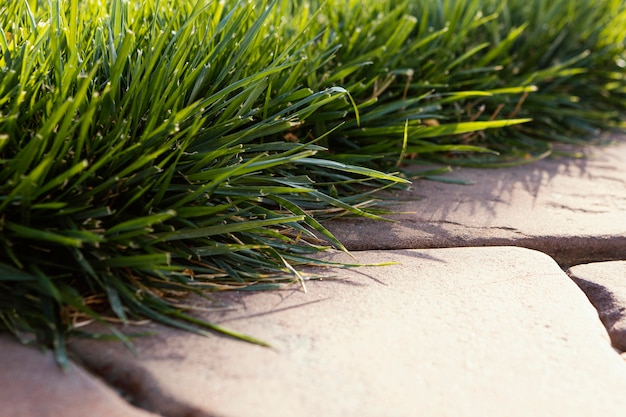
Yes, grass can still grow on compacted dirt, but there are a few things to consider to ensure successful growth. Compacted soil can make it difficult for grass roots to penetrate and access essential nutrients and water.
One solution is to aerate the soil by using a core aerator to break up the compacted layers and allow air, water, and nutrients to reach the roots. This process creates channels in the soil, promoting better root growth and overall health of the grass.
Additionally, choosing the right type of grass seed for your specific soil conditions can make a big difference in how well it will thrive. Consider consulting with a landscaping professional to determine the best grass variety for your compacted soil.
Can Grass Thrive on Compacted Soil?

Yes, grass can grow on compacted soil, but it may struggle to thrive. Compacted soil restricts water, air, and nutrient circulation, making it difficult for grass roots to penetrate and grow effectively.
Why Does Compacted Soil Affect Grass Growth?
- Compacted soil reduces pore space, limiting root development and water absorption.
- Grass roots need oxygen to grow, but compacted soil hinders air circulation.
- Nutrients may be trapped in the soil, preventing grass from accessing essential minerals.
To help grass thrive in compacted soil, consider aerating the lawn to loosen the soil and improve drainage. Adding organic matter like compost can also enhance soil structure and provide nutrients for grass growth. Regular watering and fertilizing can further support grass growth in compacted soil.
Understanding the Impact of Compacted Soil on Grass Growth
To ensure successful grass growth, it is crucial to understand the negative impact of compacted soil. Compacted soil restricts the movement of air, water, and nutrients, making it difficult for grass roots to penetrate and thrive.
Compacted soil also hinders microbial activity, which is essential for breaking down organic matter and releasing nutrients. As a result, grass on compacted soil may appear thin, patchy, or discolored.
To improve grass growth on compacted soil, it is recommended to aerate the area to alleviate compaction and allow air, water, and nutrients to reach the roots. Additionally, incorporating organic matter such as compost can help improve soil structure and fertility.
Regularly monitoring soil compaction levels and taking proactive measures to address any issues will promote healthy grass growth and a lush, vibrant lawn. By understanding the impact of compacted soil and implementing proper care practices, you can ensure your grass thrives and flourishes.
Identifying Signs of Soil Compaction in Your Lawn
One of the first signs of soil compaction in your lawn is the presence of standing water after a rainfall. If water is unable to penetrate the soil and instead pools on the surface, it may indicate that the soil is compacted.
Another common sign of soil compaction is the difficulty in driving stakes or tools into the ground. If you struggle to insert a shovel or a soil probe into the soil, it suggests that the soil is compacted and not allowing for proper root growth.
Preparation Methods for Planting Grass on Compacted Dirt

1. Test the Soil: Before you start planting grass on compacted dirt, it’s essential to test the soil to determine its pH levels and nutrient content. This will help you choose the right type of grass and fertilizer for your specific soil conditions.
2. Aerate the Soil: To improve soil structure and allow air, water, and nutrients to penetrate deep into the ground, aerate the compacted dirt using a core aerator. This will help alleviate compaction and create a healthier environment for grass roots to grow.
3. Add Organic Matter: Incorporating organic matter like compost or aged manure into the soil can help improve its texture and fertility. Mix the organic matter evenly into the compacted dirt before planting grass seeds to provide a nutrient-rich growing medium for the new grass.
4. Choose the Right Grass Seed: Select a grass seed mix that is well-suited to your soil type, light conditions, and climate. Consider using a grass seed blend that contains varieties known for their ability to establish and thrive in compacted soil.
5. Plant Grass Seeds Correctly: Follow the recommended planting depth and spacing guidelines for the specific type of grass seed you are using. Ensure good seed-to-soil contact by lightly raking the seeds into the soil after broadcasting them over the prepared area.
6. Water Consistently: Keep the newly planted grass seeds consistently moist until they germinate and establish roots. Water deeply and infrequently to encourage deep root growth and help the grass withstand drought conditions in the future.
7. Monitor and Maintain: Monitor the growth of the newly planted grass regularly and adjust your watering and maintenance practices as needed. Consider topdressing with a thin layer of compost or organic matter once the grass has established to further improve soil quality.
8. Consider Professional Help: If you’re struggling to achieve successful grass growth on compacted soil, consider seeking advice or assistance from a lawn care professional. They can provide personalized recommendations and services to help you achieve a lush and healthy lawn.
Choosing the Right Grass Seeds for Compacted Soil
When it comes to growing grass on compacted soil, it’s important to choose the right type of grass seeds that can thrive in such conditions. Here are some recommendations to help you select the best grass seeds for compacted soil:
1. Consider Warm-Season Grasses:
- Warm-season grasses like Bermuda grass and Zoysia grass are known for their ability to tolerate compacted soil.
- These grasses have deep root systems that can penetrate through compacted soil and thrive in such environments.
2. Opt for Grass Varieties with Strong Root Systems:
- Grass varieties like Kentucky bluegrass and fescue have strong root systems that help them grow well in compacted soil.
- These grasses can withstand the challenges posed by compacted soil and still grow vigorously.
By choosing the right grass seeds for compacted soil, you can ensure that your lawn stays lush and healthy, even in challenging conditions. Consider the above recommendations when selecting grass seeds for your compacted soil and enjoy a thriving lawn all year round!
Implementing Proper Watering Techniques for Grass on Compacted Soil
To ensure healthy grass growth on compacted soil, it is crucial to water your lawn correctly. One of the key watering techniques is to water deeply and infrequently. This means watering your lawn to a depth of at least 6 inches to encourage deep root growth.
Additionally, it is important to water your grass in the early morning hours, as this allows the water to penetrate the soil without evaporating too quickly in the heat of the day. Avoid watering in the evening, as this can promote the growth of fungi and disease.
Furthermore, consider using a rain gauge to monitor the amount of water your lawn receives. Aim for 1 to 1.5 inches of water per week, depending on the weather conditions. Overwatering can lead to shallow root systems and promote weed growth.
Lastly, consider aerating your compacted soil to improve water penetration and root development. Aerating your lawn can help alleviate soil compaction and allow water to reach the roots more effectively.
By implementing these proper watering techniques, you can promote healthy grass growth on compacted soil and ensure a lush, green lawn.
Tips for Fertilizing Grass in Compacted Soil
Apply a high-quality fertilizer specifically formulated for compacted soil conditions. Look for products that contain nitrogen, phosphorus, and potassium to promote healthy grass growth.
Opt for a slow-release fertilizer to provide a steady supply of nutrients to the grass over time. This will help prevent the grass from becoming stressed due to nutrient deficiencies.
Consider aerating the compacted soil before fertilizing to improve oxygen and nutrient uptake. Aerating can also help break up compacted soil, allowing the fertilizer to penetrate deeper into the root zone.
Follow the manufacturer’s instructions carefully when applying fertilizer to ensure proper dosage and application frequency. Over-fertilizing can harm the grass and lead to nutrient runoff into waterways.
Water the grass thoroughly after fertilizing to help the nutrients penetrate the soil and reach the roots. Avoid fertilizing during hot, dry weather to prevent stressing the grass.
Monitor the grass regularly for signs of nutrient deficiency or excess. Adjust your fertilizing schedule and type of fertilizer as needed to keep the grass healthy and vibrant.
Maintaining a Healthy Lawn on Previously Compacted Soil
When dealing with previously compacted soil, it is essential to aerate the lawn regularly to promote healthy grass growth. Compacted soil restricts root growth and inhibits the absorption of water and nutrients. By aerating the soil, you can improve its overall structure and allow grass roots to penetrate deeper, resulting in a healthier lawn.
| Tip: Use a core aerator to pull out small plugs of soil, creating space for air, water, and nutrients to reach the roots. |
Additionally, it is important to overseed the lawn with grass varieties that are well-suited to compacted soil. These varieties are more resilient and can thrive in challenging conditions. Be sure to follow proper seeding techniques and provide adequate water and fertilizer to support new grass growth.
| Tip: Choose grass species such as Kentucky bluegrass, perennial ryegrass, or tall fescue for compacted soil areas. |
Regular mowing at the correct height is also crucial for maintaining a healthy lawn on compacted soil. Keeping the grass at the proper height encourages strong root development and helps prevent weed infestations. Remember to adjust your mower blade height as needed to promote healthy growth and ensure a lush, green lawn.
In conclusion, by aerating the soil, overseeding with appropriate grass varieties, and maintaining proper mowing practices, you can successfully achieve a healthy lawn on previously compacted soil. Take proactive steps to care for your lawn and enjoy a beautiful, thriving outdoor space.
Question-answer:
Will grass grow on compacted dirt?
Yes, grass can grow on compacted dirt, but it may face challenges in doing so. Compacted dirt lacks the necessary air pockets and space for roots to penetrate and grow properly. This can lead to poor grass growth, shallow root systems, and overall weak and unhealthy grass. To improve grass growth on compacted dirt, it is important to aerate the soil, amend it with organic matter, and choose grass varieties that are more tolerant of compacted soil.
What are some signs that dirt is compacted?
Compacted dirt may exhibit signs such as water pooling on the surface, difficulty in penetration with a shovel or gardening tool, poor drainage, and hard, dry, or crusty soil. These signs indicate that the soil is too compacted for healthy plant growth, including grass.
How can I improve grass growth on compacted dirt?
To improve grass growth on compacted dirt, you can aerate the soil using aeration tools or machinery to create air pockets and loosen up the soil. Additionally, you can amend the soil with organic matter like compost or peat moss to improve soil structure and provide nutrients for the grass. Choosing grass varieties that are more tolerant of compacted soil can also help promote better grass growth on compacted dirt.
Is it possible to prevent soil compaction in the first place?
Yes, it is possible to prevent soil compaction by avoiding heavy machinery or foot traffic on wet soil, minimizing soil disturbance, using mulch to protect soil structure, and rotating crops or plants to prevent continuous root compaction in the same area. By practicing good soil management techniques, you can prevent soil compaction and promote healthy grass growth.
What are the consequences of grass growing on compacted dirt?
Grass growing on compacted dirt may experience stunted growth, shallow root systems, poor nutrient uptake, and overall weak and unhealthy appearance. Compacted soil restricts air, water, and nutrient flow to the grass roots, leading to decreased resilience and vitality. In order to have healthy and lush grass, it is important to address and improve soil compaction issues.
Can grass grow on compacted dirt?
Yes, grass can grow on compacted dirt, but it may face challenges due to the lack of proper aeration and root penetration. Compacted soil can hinder the growth of grass by restricting the flow of water, air, and nutrients to the roots. In order to help grass grow on compacted dirt, it is important to aerate the soil, either by manually loosening it or using specialized equipment. This will create channels for roots to grow and improve the overall health of the grass.
What steps can be taken to encourage grass growth on compacted dirt?
There are several steps that can be taken to encourage grass growth on compacted dirt. First, it is important to aerate the soil to improve its structure and allow for better root penetration. This can be done by using aeration tools or equipment to create holes in the soil. Additionally, adding organic matter such as compost or mulch can help improve soil quality and provide essential nutrients for the grass. Regular watering and fertilizing are also important to support grass growth in compacted soil. By taking these steps, it is possible to help grass thrive even in challenging conditions.