
In crafting a cohesive outdoor space, it is crucial to consider various components that work together to enhance the beauty and functionality of the surroundings. From the arrangement of plants to the selection of materials, every detail plays a significant role in shaping the overall atmosphere of the area. By carefully integrating different aspects of the landscape, one can achieve a sense of balance, unity, and tranquility in the design.
Exploring the fundamental aspects of outdoor composition involves understanding how colors, textures, and shapes interact to create visual interest. Utilizing the principles of scale, proportion, and rhythm, designers can establish a sense of flow and coherence throughout the space. Incorporating elements such as pathways, focal points, and outdoor structures further enriches the environment, offering both practical functionality and aesthetic appeal.
Understanding the Principles of Equilibrium
Balance in design is a crucial concept that encompasses the distribution of visual weight in a composition. It involves arranging components in a way that creates a sense of harmony and stability. Without balance, a design may appear off-kilter or unappealing. By understanding the principles of equilibrium, you can effectively create landscapes that are visually pleasing and cohesive.
The Two Types of Balance
There are two main types of balance in design: symmetrical and asymmetrical. Symmetrical balance involves arranging elements in a mirror-like fashion, where the visual weight is evenly distributed on either side of a central axis. On the other hand, asymmetrical balance involves a more dynamic and informal arrangement, where different elements are balanced through contrast and variation.
| Principles of Equilibrium | Examples |
|---|---|
| 1. Visual Weight | Placing a large tree on one side of a garden and balancing it with a cluster of smaller bushes on the other side. |
| 2. Contrast | Combining textures, colors, and shapes to create a visually interesting and balanced composition. |
| 3. Scale and Proportion | Using different sizes of plants and elements to create a sense of depth and dimension in the landscape. |
Incorporating Texture for Visual Interest
Enhancing the visual appeal of your outdoor space involves more than just selecting plants and arranging them in a garden. Incorporating various textures into your landscape can add depth and dimension, creating visual interest that captures the eye and adds a unique touch to your design.
By mixing plants with different textures, such as smooth leaves, rough bark, or feathery fronds, you can create a dynamic and visually stimulating environment. Consider incorporating elements like rocks, gravel, or ornamental grasses to add contrast and diversity to your landscape.
Texture not only adds visual interest, but it also engages other senses. Incorporating plants with interesting textures can create a tactile experience, encouraging visitors to touch, feel, and interact with your landscape design.
When planning your landscape, don’t overlook the importance of texture. By incorporating a variety of textures, you can transform your outdoor space into a vibrant and captivating oasis that appeals to both the eyes and the senses.
Utilizing Color to Create Impact
When it comes to enhancing the visual appeal of outdoor spaces, utilizing color is a powerful tool that can make a significant impact. By strategically incorporating a diverse range of hues, tones, and shades, you can create a vibrant and dynamic landscape that captivates the eye and evokes emotions.
Whether you opt for bold and bright colors to make a statement or subtle and calming tones to create a peaceful ambiance, the way you use color in your outdoor design can greatly influence the overall look and feel of your environment. From flowers and foliage to hardscape elements and accessories, there are endless opportunities to infuse color into your landscape and bring it to life.
- Consider the color wheel and how different hues complement or contrast each other to achieve harmony or drama in your design.
- Think about the seasonal changes in color and how you can incorporate plants that bloom or change foliage colors throughout the year.
- Experiment with texture and form to enhance the visual impact of color and create depth in your landscape.
By understanding the principles of color theory and experimenting with different combinations, you can transform your outdoor space into a visually captivating masterpiece that reflects your unique style and personality.
Importance of Scale and Proportion
Scale and proportion play a crucial role in creating a well-balanced and visually appealing outdoor space. When considering scale, it is important to think about the size of various elements in relation to one another and to the overall space. Proportion, on the other hand, refers to the relationship between different elements within the landscape in terms of size, shape, and placement.
The Impact of Scale
Scale can greatly affect the overall feel and functionality of a landscape. Choosing elements that are appropriately scaled to the space can help create a harmonious look and prevent a cluttered or overwhelming appearance. It is important to consider the size of plants, trees, hardscape features, and other elements in relation to the size of the space and the surrounding environment.
Proper proportion is essential for creating a sense of harmony and balance within a landscape design. By carefully selecting and arranging elements of varying sizes and shapes, designers can create visually appealing compositions that draw the eye and guide the viewer’s experience throughout the space.
Enhancing with Focal Points
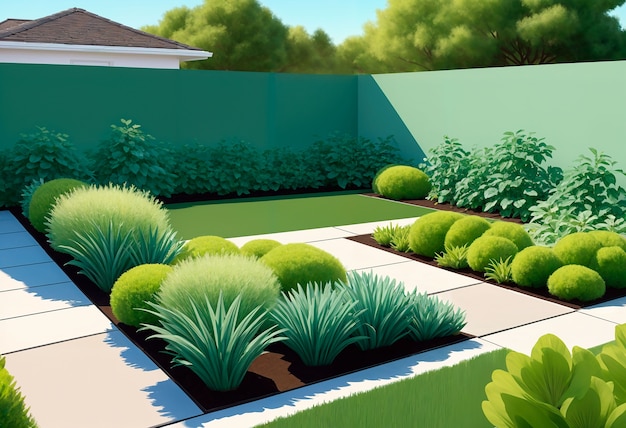
When creating a captivating outdoor space, it is important to consider how to draw the eye and create visual interest. One effective way to achieve this is by incorporating focal points throughout the landscape. These focal points serve as centerpieces that command attention and add depth to the overall design.
Choosing the Right Focal Points
Whether it’s a striking sculpture, a vibrant flower bed, or a unique architectural feature, the key is to select focal points that complement the surrounding environment and enhance the overall aesthetic. By strategically placing these focal points, you can create a sense of balance and harmony in your outdoor space.
- Consider the scale and proportion of the focal point in relation to the rest of the landscape.
- Think about how the focal point will interact with natural light and shadow throughout the day.
- Experiment with different focal points to see which ones resonate most with your personal style and vision for the space.
Maximizing Functionality in Layout Design
When creating a well-designed outdoor space, it is important to consider how each element can serve a purpose in enhancing the overall functionality of the layout. By strategically placing various features such as seating areas, pathways, and plant beds, you can maximize the usability and efficiency of the design.
| 1. Multi-functional Zones | 2. Efficient Flow | 3. Spatial Organization |
| 4. Accessibility | 5. Flexibility | 6. Balance of Elements |
Creating multi-functional zones within the design allows for different activities to take place simultaneously without overcrowding the space. Efficient flow ensures that movement throughout the layout is easy and seamless, while spatial organization helps to designate specific areas for different functions.
Implementing Sustainable Practices in Landscaping

Creating eco-friendly and environmentally conscious approaches to enhancing outdoor spaces goes hand in hand with preserving the natural world around us. By implementing sustainable practices in the planning and maintenance of outdoor areas, we can ensure the longevity and health of the environment for future generations.
The Importance of Sustainable Landscaping
Utilizing sustainable practices in landscaping not only benefits the environment, but it also promotes biodiversity, conserves natural resources, and reduces waste. By choosing native plants, implementing water-efficient irrigation systems, and practicing proper soil management techniques, we can create landscapes that thrive in harmony with nature.
Key Strategies for Sustainable Landscaping
Some key strategies for incorporating sustainable practices into landscaping include utilizing organic fertilizers, reducing chemical pesticide use, promoting healthy soil ecosystems, and incorporating rainwater harvesting techniques. By prioritizing sustainability in our landscaping efforts, we can create beautiful outdoor spaces that are both aesthetically pleasing and environmentally responsible.
Creating Harmony Through Unity in Design
In the realm of creating a cohesive and balanced visual experience within a landscape project, the concept of unity plays a crucial role. By carefully weaving together various elements and features, designers can achieve a harmonious composition that resonates with viewers on an emotional level.
The Power of Consistency
Consistency is key in establishing unity within a design. When elements such as color schemes, textures, shapes, and patterns are repeated throughout a space, it helps to tie the different components together and create a sense of continuity. This repetition can also guide the viewer’s eye through the landscape, leading to a more seamless and integrated experience.
Striking a Balance
Creating harmony through unity requires a delicate balance between variety and uniformity. While it’s important to introduce diversity to maintain visual interest, too much contrast can disrupt the overall cohesion of the design. Designers must carefully consider the placement and proportion of various elements to strike a perfect balance that enhances the beauty and functionality of the landscape.
Question-answer:
What are the essential elements of landscape design?
The essential elements of landscape design include line, form, texture, color, and scale. These elements come together to create a harmonious and visually appealing outdoor space.
How important is line in landscape design?
Line is a crucial element in landscape design as it helps to define the shape and structure of the garden. It can be used to lead the eye, create focal points, and establish boundaries within the space.
Why is scale important in landscape design?
Scale is important in landscape design because it helps to create a sense of proportion and balance in the outdoor space. By considering the scale of plants, hardscape elements, and structures, designers can ensure that everything works harmoniously together.
How can texture be incorporated into landscape design?
Texture can be incorporated into landscape design through the use of plants with varying foliage, different materials for hardscape elements, and contrasting surface finishes. This can add depth and interest to the garden.
What role does color play in landscape design?
Color plays a significant role in landscape design as it can evoke different emotions and create visual impact. By carefully selecting plants and flowers with complementary or contrasting colors, designers can create a cohesive and vibrant outdoor space.
What are the key elements to consider when designing a landscape?
When designing a landscape, it is essential to consider elements such as balance, unity, focal points, scale, and proportion. These elements help create a visually appealing and functional outdoor space.