
In the realm of outdoor beauty and creativity, there are key components that form the foundation of a captivating and harmonious environment. These fundamental pieces intertwine to create a visually appealing landscape that is both functional and aesthetically pleasing.
Shape plays a crucial role in sculpting the overall look and feel of a space. The contours and outlines of various elements within a landscape contribute to its visual interest and flow. Whether it be the shape of a pathway, a garden bed, or a pond, the forms present in a landscape are essential in determining its character.
Texture adds depth and richness to the visual experience of a landscape. The tactile quality of different materials, such as smooth stones, rough bark, or velvety grass, creates a sensory richness that enhances the overall aesthetic appeal of a space. By harnessing the power of texture, a landscape designer can create contrasts and focal points that draw the eye and evoke a sense of tactile curiosity.
The Importance of Landscape Design
Creating a well-planned and thoughtfully designed outdoor space is crucial in enhancing the overall aesthetic appeal of your property. A carefully crafted landscape can not only boost the curb appeal of your home but also create a harmonious and inviting atmosphere for you and your guests to enjoy.
The Art of Outdoor Beautification
Landscaping involves the art of beautifying and enhancing the natural elements of your surroundings, such as plants, trees, flowers, and outdoor structures. It is a creative process that involves strategic planning, attention to detail, and a keen eye for design.
Enhancing Quality of Life
Furthermore, a well-designed landscape can significantly improve your quality of life by providing a peaceful and relaxing retreat right at your doorstep. Whether you want to create a tranquil garden oasis or a vibrant outdoor entertaining space, landscape design plays a key role in setting the tone and ambiance of your outdoor environment.
Creating Balance and Harmony in Your Garden
In order to establish equilibrium and coherence in your outdoor space, it is essential to carefully consider the distribution and arrangement of various elements within your garden. By strategically placing different plants, structures, and decorative features, you can create a sense of symmetry and unity that enhances the overall aesthetic appeal of your landscape.
Balance is achieved when the visual weight of objects in your garden is evenly distributed. This can be accomplished by integrating elements of varying sizes, shapes, colors, and textures throughout the space. By incorporating a diverse range of plants and structures, you can create a harmonious composition that is both visually engaging and aesthetically pleasing.
Harmony, on the other hand, refers to the overall sense of unity and cohesion within your garden. This can be achieved by selecting plants and materials that complement one another and working together to create a cohesive and inviting environment. By choosing a consistent color palette, coordinating textures, and repeating similar patterns throughout your landscape, you can establish a sense of harmony that ties the entire space together.
Choosing the Right Plants for Your Outdoor Space
When it comes to creating a beautiful outdoor environment, selecting the perfect plants is essential. The type of greenery you choose can make or break the overall look and feel of your garden or yard. From vibrant flowers to lush foliage, each plant brings its own unique charm and character to your outdoor space.
Consider the Climate
One of the most important factors to consider when choosing plants for your outdoor space is the climate. Make sure to select plants that are well-suited to the weather conditions in your area. Whether you live in a hot, dry climate or a cool, wet one, there are plenty of plant options available to suit your needs.
Think About Maintenance
Another crucial aspect to keep in mind is the maintenance requirements of the plants you choose. Some plants are low-maintenance and require minimal care, while others need regular watering, pruning, and fertilizing. Consider how much time and effort you are willing to dedicate to plant care before making your selections.
Incorporating Hardscape Features Into Your Landscape Vision
When crafting your outdoor space, it is essential to consider incorporating hardscape elements to bring dimension and structure to your design. These non-living features, such as pathways, walls, and patios, can serve as the backbone of your landscape plan, complementing the natural beauty of plants and trees.
| 1. Pathways | Guide visitors through your garden with carefully planned pathways made of materials like stone, gravel, or pavers. These pathways not only create a sense of direction but can also add texture and visual interest to your landscape. |
| 2. Retaining Walls | Utilize retaining walls to add depth to your design while also serving a practical purpose by preventing erosion and creating level areas for planting. Choose materials that complement your overall aesthetic, such as natural stone or concrete blocks. |
| 3. Outdoor Living Spaces | Create inviting outdoor living areas with features such as patios, decks, and fire pits. These hardscape elements provide functional space for entertaining and relaxing, extending your indoor living space into the great outdoors. |
| 4. Water Features | Add a touch of tranquility to your landscape design with water features like fountains, ponds, or streams. These hardscape elements not only create a soothing ambiance but also attract wildlife and can help mask unwanted noise. |
| 5. Sculptural Elements | Incorporate sculptural features such as statues, arbors, or trellises to add a unique focal point to your outdoor space. These hardscape elements can serve as art pieces in your landscape, adding personality and interest to the overall design. |
Utilizing Color and Texture for Visual Impact
Enhancing the visual appeal of your outdoor space goes beyond just the basic elements of landscape design. By strategically incorporating an array of vibrant hues and diverse textures, you can create a dynamic and captivating environment that stimulates the senses.
Color plays a crucial role in setting the mood and atmosphere of your outdoor space. Bold and bright colors can create a sense of energy and vibrancy, while softer, muted tones evoke a feeling of tranquility and relaxation. By carefully selecting a color palette that complements the surrounding environment, you can achieve a harmonious balance that enhances the overall aesthetic.
Texture adds another layer of complexity to your landscape design, creating depth and visual interest. Incorporating a variety of textures, such as smooth foliage, rough stones, and soft grasses, can create a tactile experience that engages both the eyes and the hands. By playing with different textures, you can create contrast and focal points that draw the eye and create visual impact.
Creative Ways to Define Outdoor Spaces
When creating an outdoor environment, it’s important to think creatively about how to delineate different areas within the landscape. By using innovative techniques and unique materials, you can establish boundaries and create distinct spaces that serve different functions.
Incorporating Vertical Elements
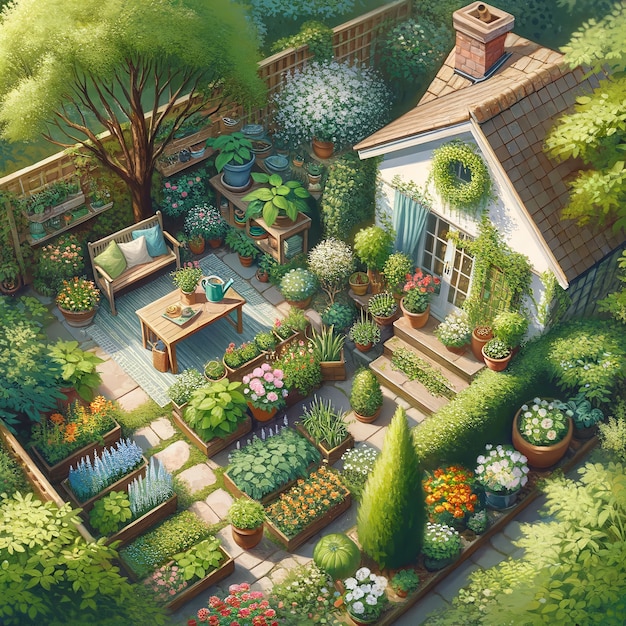
One creative way to define outdoor spaces is by incorporating vertical elements such as trellises, pergolas, or tall planters. These structures not only add visual interest to the landscape but also help to create boundaries between different areas. Additionally, they can provide privacy and shade, making them both functional and decorative.
Using Natural Elements
Another great way to define outdoor spaces is by using natural elements such as rocks, stones, or even trees. These organic materials can help to blend the different areas of your landscape seamlessly while adding texture and depth to the overall design. By strategically placing these elements, you can create interesting focal points and establish clear boundaries between different spaces.
| Vertical Elements | Natural Elements |
|---|---|
| Trellises | Rocks |
| Pergolas | Stones |
| Tall Planters | Trees |
The Role of Illumination in Outdoor Environment Planning
When considering the arrangement of outdoor spaces, one cannot overlook the significance of proper lighting. Lighting plays a crucial role in enhancing the beauty and functionality of outdoor areas. Well-thought-out lighting design can create a welcoming ambiance, highlight key features, and extend the usability of outdoor spaces after dark.
- 1. Highlighting Architectural Features:
- 2. Creating Atmosphere and Mood:
- 3. Ensuring Safety and Security:
- 4. Extending Usability:
- 5. Enhancing Overall Aesthetic Appeal:
By strategically placing different types of lighting fixtures and considering factors such as brightness, color temperature, and beam angle, landscape designers can transform outdoor spaces into captivating and functional areas that can be enjoyed day and night. The right combination of lighting elements can truly elevate the outdoor experience and create a dynamic and visually appealing environment.
Sustainable Practices for an Environmentally-Friendly Outdoor Space
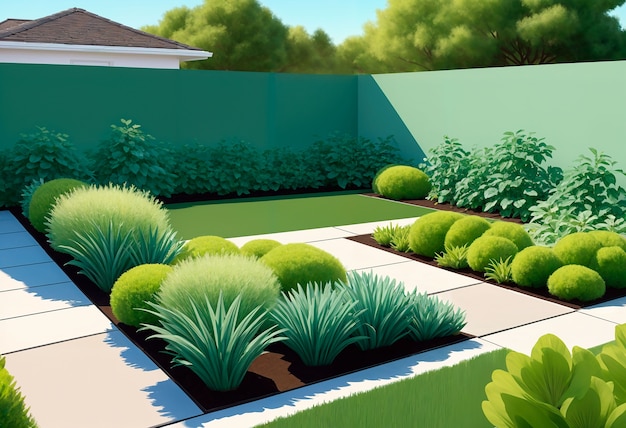
Creating a landscape that is both beautiful and environmentally-friendly is crucial for the health of our planet. By implementing sustainable practices, you can help reduce your carbon footprint and create a more eco-friendly outdoor space.
1. Water Conservation
- Use native plants that are drought-resistant and require less water.
- Install a rainwater harvesting system to collect and reuse rainwater for irrigation.
- Consider using permeable paving materials to allow rainwater to infiltrate into the soil, reducing runoff.
2. Organic Gardening
- Avoid synthetic fertilizers and pesticides, and opt for organic alternatives instead.
- Compost kitchen scraps and yard waste to create nutrient-rich soil for your garden.
- Encourage beneficial insects and pollinators by planting native flowers and herbs.
By incorporating these sustainable practices into your landscape design, you can create a beautiful outdoor space that is not only aesthetically pleasing but also environmentally-friendly.
Video:
Start to finish: 30 days of garden landscaping in just 10 minutes
Start to finish: 30 days of garden landscaping in just 10 minutes by AIO Spark 1,160,124 views 4 years ago 10 minutes, 59 seconds