
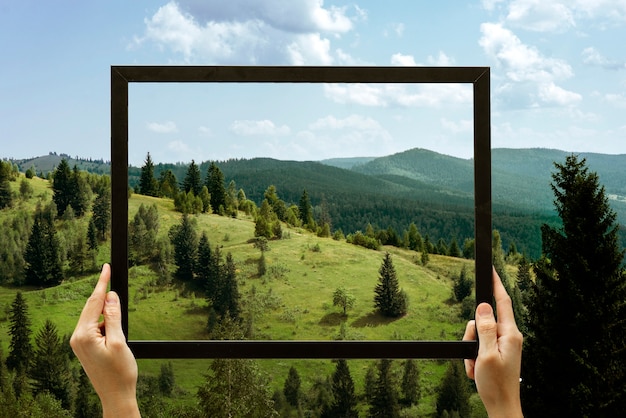
In our quest to delve into the beauty of the outdoors, we find ourselves drawn to the varied and captivating vistas that surround us.
Discovering the rich tapestry of landscapes that adorn our world, we are captivated by the diversity of terrains, from rolling hills to rugged mountains, lush forests to arid deserts.
As we immerse ourselves in the wonder of the natural world, we begin to contemplate the intricate details and the grandeur of the scenery that envelopes us.
The Historical Evolution of Landscape Art
Throughout history, artists have continuously explored the natural world through various mediums and styles, capturing the essence of nature’s beauty and complexity. This evolution of artistic representation of the environment has played a crucial role in shaping cultural perceptions and interpretations of the world around us.
The Early Beginnings

During ancient times, artists depicted landscapes as background elements in larger compositions, serving as mere backdrops for human or mythological figures. These early representations often focused on creating a sense of space and perspective, utilizing basic elements such as trees, rivers, and mountains to convey a sense of scale and depth.
The Emergence of Landscape as a Genre
With the rise of the Renaissance and the introduction of techniques such as linear perspective and chiaroscuro, landscape art began to emerge as a distinct genre in its own right. Artists such as Leonardo da Vinci and Albrecht Dürer started to pay closer attention to the natural world, carefully observing and depicting the intricacies of light, shadow, and form within their landscapes.
Environmental Impact on Shaping Landscapes
The influence of natural elements on the formation and transformation of the earth’s surface is a crucial factor in determining the characteristics of different geographical areas. The interaction between climate, topography, vegetation, and other environmental factors plays a significant role in shaping the diverse landscapes that we observe today.
Factors Contributing to Landscape Formation
Various environmental processes such as erosion, weathering, and deposition continuously work together to mold the terrain and create unique landforms across the globe. The presence of water, wind, and ice further accelerates these geological processes, leading to the development of distinct landscapes with their own specific features and characteristics.
Psychological Effects of Natural vs Urban Environments
In this section, we will explore the emotional and mental impacts of natural landscapes compared to urban settings. We will examine how the presence of green spaces, such as parks and forests, can positively influence our mood and cognitive functions, as opposed to the concrete jungles of cities.
The Healing Power of Nature
Research suggests that exposure to natural environments can reduce stress levels, improve attention span, and enhance overall well-being. The tranquility and beauty of natural landscapes have a calming effect on our minds, promoting relaxation and mental clarity.
The Influence of Urban Environments
On the other hand, urban landscapes, with their noise, pollution, and crowds, can have a negative impact on our mental health. The hustle and bustle of city life can lead to feelings of anxiety, fatigue, and irritability, highlighting the importance of seeking out green spaces for our psychological well-being.
How Technology is Changing our Perception of the Environment

Advancements in technology have significantly impacted the way we view and interact with the world around us. In recent years, the integration of technology into our daily lives has led to a shift in how we perceive the environment. Through the use of various technological tools and platforms, our understanding and appreciation of the natural world have been transformed.
The Influence of Digital Mapping
Digital mapping technologies, such as GPS systems and online mapping services, have revolutionized the way we navigate and explore landscapes. These tools provide us with detailed information about our surroundings, offering a new perspective on the terrain and geography of the areas we inhabit. By enabling us to view landscapes from a different vantage point, digital mapping has expanded our understanding of the environment.
The Rise of Virtual Reality
Virtual reality technology has allowed us to immerse ourselves in virtual landscapes, providing a simulated experience of real-world environments. Through virtual reality headsets and applications, we can explore distant landscapes and natural wonders without leaving our homes. This technology has the potential to alter our perceptions of the environment by offering a new way to engage with and appreciate the beauty of the world around us.
Landscape Photography as a Form of Art
Exploring the diverse world of capturing natural scenery through the lens is a profound and emotive experience. Photographing the beauty of the earth’s terrain allows for a creative representation of the environment’s essence.
The Aesthetic Appeal
From rolling hills to majestic mountains, landscape photography captures the grandeur and tranquility of nature’s wonders. It serves as a visual medium for expressing the raw beauty and captivating scenes that nature offers.
Emotional Impact
Landscape photography has the power to evoke powerful emotions and transport viewers to distant lands. The mood and atmosphere captured in each image can stir feelings of awe, serenity, or even nostalgia, making it a powerful form of artistic expression.
Cultural and Social Interpretations of Landscapes
Throughout history, human societies have attached varied cultural and social meanings to the environment around them. The way we perceive and interact with landscapes is deeply influenced by our cultural background and social context. This section explores the diverse interpretations and significance that different cultures and societies attribute to the world that surrounds them.
Cultural Perspectives: Cultures around the world have developed unique ways of understanding and representing landscapes. Traditional beliefs, rituals, and myths often shape how a community perceives and values their natural surroundings. For example, indigenous cultures may view certain landscapes as sacred sites imbued with spiritual significance, while urban societies might see landscapes primarily in terms of economic development and resource exploitation.
Social Contexts: Social factors such as class, gender, and historical experiences also influence our relationship with landscapes. For instance, gender roles may affect how individuals perceive and navigate public spaces, while class disparities can lead to unequal access to natural resources and green areas. The historical legacy of land use practices, colonization, and globalization further complicates the social dynamics of landscape interpretation.
The Role of Landscapes in Urban Planning
Urban planning involves the strategic organization and design of a city’s development to create functional and visually appealing environments for its residents. Landscapes play a crucial role in urban planning, shaping the way people interact with their surroundings and influencing the overall aesthetics of a city.
- Enhancing Quality of Life: Well-designed landscapes in urban areas can improve the quality of life for residents by providing green spaces for recreation, promoting physical and mental well-being, and enhancing the overall sense of community.
- Ecological Benefits: Incorporating natural elements into urban landscapes helps to reduce pollution, conserve energy, and support biodiversity. Green infrastructure, such as parks and green roofs, can mitigate the impact of urbanization on the environment.
- Social Integration: Landscapes in urban planning can serve as inclusive spaces that bring people together, fostering social interaction and cultural exchange. Public parks, plazas, and gardens encourage community engagement and create opportunities for shared experiences.
- Economic Development: Well-maintained landscapes attract investment and tourism, boosting the economic growth of a city. Green spaces can increase property values, attract businesses, and create job opportunities in sectors such as landscaping and outdoor recreation.
Overall, the integration of landscapes into urban planning is essential for creating sustainable, livable cities that prioritize the well-being of their inhabitants and promote environmental stewardship. By recognizing the value of landscapes in shaping urban environments, planners can design cities that are both functional and aesthetically pleasing, enhancing the overall quality of life for residents.
The Future of Landscapes in a Changing Climate
In the upcoming years, the outlook for the Earth’s natural surroundings in the face of shifting weather patterns and global warming poses a significant challenge. The impact of climate change on the environment and the subsequent alterations to the physical features of our surroundings will play a crucial role in shaping the future of our landscapes.
The Role of Climate Change
As temperatures rise and extreme weather events become more frequent, the natural equilibrium of ecosystems is disrupted. This disturbance can lead to changes in vegetation, water availability, and soil composition, ultimately transforming the appearance and functionality of landscapes as we know them. Understanding the interconnectedness of climate change and landscape evolution is imperative to developing sustainable strategies for adaptation and preservation.
Adapting to Change
Adapting to the changing climate requires a multi-faceted approach that encompasses conservation efforts, innovative land use planning, and community engagement. By embracing resilient design principles and promoting biodiversity, we can work towards safeguarding the landscapes for future generations to enjoy. The future of landscapes in a changing climate hinges on our ability to collaborate and implement forward-thinking solutions that prioritize environmental stewardship and resilience.