
Exploring the fundamental concepts behind creating captivating outdoor environments extends far beyond mere aesthetics. Mastering the rudimentary principles of structuring visually appealing and functional outdoor areas is crucial for transforming ordinary spaces into captivating landscapes that beckon to be explored.
Discovering the core elements that contribute to the creation of harmonious outdoor designs allows individuals to cultivate a deep appreciation for the art and science of crafting landscapes that engage the senses and inspire a connection with nature.
The Core Principles of Outdoor Design
In the realm of creating beautiful and functional outdoor spaces, there exist foundational principles that guide the planning and execution of landscape projects. These core concepts serve as the framework for achieving harmony, balance, and unity in outdoor design.
Unity
Unity refers to the cohesive and harmonious integration of various elements within a landscape design. By ensuring that all components work together in harmony, a sense of coherence and wholeness is achieved throughout the outdoor space.
Balance

Balance in landscape design involves the distribution of visual weight in a way that creates equilibrium and stability. Whether through symmetrical or asymmetrical arrangements, balance ensures that the overall composition feels harmonious and visually pleasing.
| Core Principle | Definition |
|---|---|
| Unity | Integration of elements to create harmony |
| Balance | Distribution of visual weight for equilibrium |
Creating a Harmonious Outdoor Environment
When designing your outdoor space, it is essential to consider the balance and unity of elements to achieve a cohesive and pleasing atmosphere. By carefully selecting and arranging various features such as plants, hardscape, and decor, you can create a harmonious outdoor environment that invites relaxation and enjoyment.
Utilizing Proper Scale and Proportion

Ensuring the appropriate size and balance of elements within your landscaping projects is essential for creating a visually appealing and harmonious outdoor space.
By carefully considering the relationships between different components and their relative sizes, you can achieve a sense of unity and cohesion throughout the design.
Scale refers to the size of individual elements in relation to one another and the surrounding environment. It is important to choose plants, structures, and other features that are in proportion to one another and to the overall space. A large tree may overwhelm a small garden, while a tiny shrub may get lost in a vast lawn.
Proportion involves the comparative size, shape, and distribution of different elements within the landscape. By establishing a harmonious balance between the various components, you can create a sense of order and symmetry that enhances the overall aesthetic appeal of the design. A well-proportioned garden pathway, for example, can guide the eye through the space and create a sense of rhythm and flow.
Emphasizing on Simplicity and Elegance
Highlighting the essence of straightforwardness and sophistication is crucial when creating a visually appealing landscape design. By focusing on simplicity, you can achieve a sense of harmony and balance in your outdoor space. Elegance, on the other hand, adds a touch of refinement and charm to the overall aesthetic.
Striving for Minimalism
- Aim to simplify the elements in your landscape design, focusing on clean lines and uncluttered spaces.
- Less is often more when it comes to creating a tasteful and elegant outdoor environment.
- Choose a limited color palette and avoid overwhelming patterns or excessive ornamentation.
Adding a Touch of Grace
- Incorporate elements that exude sophistication and grace, such as well-manicured plants and elegant outdoor furnishings.
- Opt for timeless and classic design elements that will withstand the test of time and trends.
- Consider the flow and coherence of your design to ensure a seamless and elegant look throughout your landscape.
Designing with Functionality in Mind
When creating outdoor spaces, it is crucial to consider more than just the aesthetic appeal. Designing with functionality in mind involves incorporating elements that not only look good but also serve a practical purpose. This approach ensures that the landscape not only looks visually pleasing but also enhances the overall usability of the space.
Thinking Beyond Beauty
It is easy to get caught up in creating a beautiful landscape, focusing solely on plants, colors, and textures. However, true functionality goes beyond just visual appeal. It involves thinking about how the space will be used, considering factors such as traffic flow, seating areas, and maintenance requirements. By carefully planning the layout and features of the landscape, you can create a space that is not only beautiful but also practical and functional.
Emphasizing Practicality
Functionality in landscape design means prioritizing practicality over aesthetics in certain aspects. For example, choosing durable materials that can withstand the elements and heavy foot traffic, or incorporating lighting solutions that enhance safety and usability during evening hours. By focusing on the practical aspects of design, you can ensure that the landscape not only looks good but also works well for its intended purpose.
Integrating Variety and Contrast in Design
Creating a diverse and dynamic visual experience through the use of different elements and juxtaposition of elements is essential in achieving a compelling design. By incorporating various textures, colors, shapes, and sizes, designers can add interest and depth to their landscapes, making them more visually stimulating and appealing.
Embracing Diverse Elements
- Using a mix of plants with different foliage types and colors to create a rich tapestry of textures.
- Incorporating various hardscape materials like stone, wood, and metal to add layers of contrast and interest.
- Playing with the arrangement of different elements such as paths, patios, and water features to create visual intrigue.
Creating Contrast for Impact
- Pairing light and dark colors to create drama and visual impact in the design.
- Contrasting smooth surfaces with rough textures to create a dynamic and engaging composition.
- Using repetition and variation to create rhythm and interest in the landscape.
Considering the Natural Surroundings and Environment
When creating outdoor spaces, it is crucial to take into account the natural surroundings and environment in order to achieve a harmonious design that blends seamlessly with the existing landscape. By understanding and working in tandem with the natural elements present in the surroundings, such as the terrain, climate, vegetation, and wildlife, a landscape designer can create a sustainable and visually appealing outdoor space.
Integration with the Natural Terrain
One of the key aspects of designing a landscape is integrating it with the natural terrain of the site. This involves carefully studying the topography of the land, including any slopes, hills, or bodies of water, and incorporating them into the design to create a cohesive and balanced outdoor space that complements the natural features of the surroundings.
Sustainable Practices and Environmental Impact
Incorporating sustainable practices into landscape design is essential in minimizing the environmental impact of outdoor spaces. This can include using native plants that require less water and maintenance, implementing water-saving irrigation systems, and utilizing environmentally friendly materials in construction. By considering the natural surroundings and environment, landscape designers can create beautiful outdoor spaces that not only enhance the aesthetics of the site but also contribute to the preservation and protection of the surrounding ecosystem.
| Key Considerations: | Integration with the natural terrain |
|---|---|
| Sustainable practices and environmental impact |
Using Lines and Shapes to Create Visual Interest
Exploring the concept of employing various linear elements and geometric figures as a means of generating intrigue and capturing attention within a landscape setting forms a fundamental aspect of successful outdoor space composition. By strategically integrating diverse types of lines, such as straight, curved, or zigzag, along with assorted shapes like circles, triangles, or rectangles, designers can establish visual dynamics that engage viewers and evoke a sense of visual appeal.
| Lines: | Shapes: |
| Straight | Circles |
| Curved | Triangles |
| Zigzag | Rectangles |
Incorporating Sustainable Practices in Outdoor Environment Planning
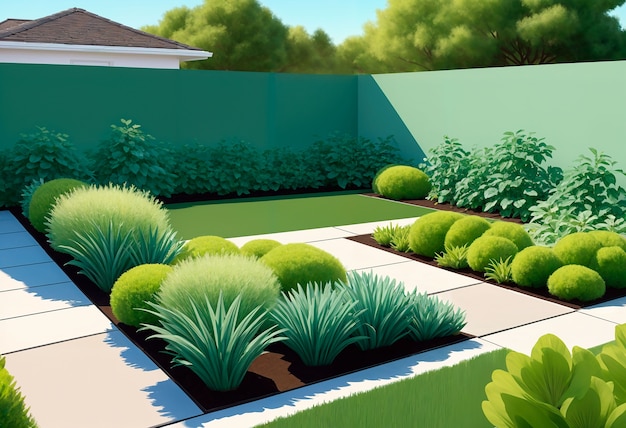
Creating environmentally-friendly landscapes involves incorporating sustainable practices into your design to help protect and preserve the natural resources for future generations. By implementing eco-friendly techniques and using native plants, you can reduce water consumption, minimize chemical usage, and promote biodiversity in your outdoor spaces.
Benefits of Sustainable Practices in Landscape Planning
- Enhances the overall health and resilience of the ecosystem.
- Reduces the environmental impact of landscaping activities.
- Promotes long-term sustainability and conservation of resources.
Utilizing sustainable practices in landscape planning not only benefits the environment but also contributes to creating healthy and vibrant outdoor spaces for people to enjoy. By taking into consideration the ecological footprint of your design choices, you can create beautiful landscapes that are in harmony with nature.
Video:
THE 3 Rs OF LANDSCAPE DESIGN & CONSTRUCTION
THE 3 Rs OF LANDSCAPE DESIGN & CONSTRUCTION by Yard Coach 381 views 1 year ago 17 minutes