
Before embarking on the journey of establishing an outdoor environment that speaks to your personal aesthetic and functional needs, it is imperative to undertake the foundational phase of the process.
There are numerous crucial considerations to address before diving into the intricacies of developing a well-thought-out outdoor space that harmoniously blends with its surroundings.
Understanding Your Space and Its Potential
Exploring the unique characteristics of your outdoor area is a crucial first step in the process of crafting a harmonious and aesthetically pleasing outdoor environment. By carefully assessing the various elements present in your space, you can uncover its hidden potential and identify the key features that will inform your landscape design.
Uncover the Possibilities
By taking the time to study the layout, topography, and existing vegetation of your space, you can gain a deeper understanding of its inherent qualities. Consider how sunlight, wind patterns, and drainage affect different areas of your landscape, as well as any existing structures or focal points that could be incorporated into your design.
Recognizing the unique attributes of your space allows you to envision how it can be transformed into a functional and visually appealing outdoor sanctuary. By tapping into the potential of your landscape, you can create a design that not only enhances the natural beauty of your surroundings but also reflects your personal style and preferences.
Researching Different Landscape Styles and Elements
Exploring varied styles and elements of landscapes is a crucial initial phase in developing a captivating outdoor space. By examining diverse approaches to landscaping and identifying key components that resonate with your vision, you can lay a solid foundation for a unique and appealing design.
Traditional vs. Modern Landscapes
Contrasting traditional landscaping techniques with contemporary design trends can provide valuable insights into the aesthetic preferences and principles that shape outdoor spaces. Understanding the characteristics of each style allows for a more informed decision-making process when selecting elements for your own landscape.
Exploring Essential Landscape Elements

- Plant Selection: Investigate various plant species to determine which flora will thrive in your specific climate and soil conditions.
- Hardscape Features: Consider incorporating elements such as pathways, patios, and retaining walls to enhance the functionality and visual appeal of your landscape.
- Water Features: Explore the possibilities of incorporating ponds, fountains, or waterfalls to introduce a calming and rejuvenating element into your outdoor space.
- Lighting Options: Research different lighting techniques to add ambiance and functionality to your landscape, extending its enjoyment into the evening hours.
Setting Clear Goals and Priorities for Your Design
Before embarking on your landscape project, it is crucial to establish a clear vision and set of priorities for your design. By defining your goals and determining what aspects of the design are most important to you, you can ensure that the final result aligns with your preferences and meets your expectations.
- Identify your objectives and desired outcomes
- Determine the key features you want to incorporate
- Consider the functionality and usability of the space
- Establish a budget and timeline for the project
By setting clear goals and priorities at the outset, you can streamline the design process, make informed decisions, and ultimately create a landscape that reflects your unique style and needs. Remember, a well-defined vision is the foundation for a successful design project.
Creating a Detailed Budget for Your Project
Planning out the financial aspects of your project is a crucial component in the overall success of your landscape design. By carefully considering and outlining all expenses associated with the project, you can ensure that you stay within budget and avoid any unexpected costs.
One of the first steps in creating a detailed budget is to determine the scope of the project and identify all necessary materials and resources. This includes everything from plants and hardscape materials to tools and equipment.
- Research the costs of each item needed for the project.
- Get quotes from suppliers to compare prices and find the best deals.
- Factor in any additional expenses such as labor costs, permits, and transportation.
Once you have a clear understanding of the costs involved, create a budget outline that breaks down each expense category and allocates a specific amount of funds to each. Be sure to leave some room for contingency funds in case of unexpected expenses.
Regularly review and update your budget as the project progresses to ensure that you are staying on track and making adjustments as needed. By carefully managing your budget, you can create a comprehensive landscape design that meets your vision without breaking the bank.
Consulting with Professionals for Expert Advice
When embarking on a project to transform your outdoor space, it is crucial to seek guidance from individuals with specialized knowledge and experience in landscape planning. These professionals can offer valuable insights, creative solutions, and practical advice to help you achieve your vision for a stunning and functional outdoor environment.
Benefits of Consulting with Professionals

Engaging with experts in the field of landscape architecture can save you time, money, and potential headaches in the long run. Their expertise in plant selection, hardscaping, drainage systems, and overall design principles can help you avoid common pitfalls and ensure a successful outcome for your project. Additionally, collaborating with professionals can open up a wealth of resources and connections that you may not have access to on your own.
Selecting the Right Plants and Materials for Your Design
When crafting a blueprint for your outdoor space, it is imperative to carefully choose the appropriate flora and resources to bring your vision to life. The selection of plants and materials plays a pivotal role in shaping the overall aesthetic and functionality of your landscape. It is essential to consider factors such as climate, soil conditions, sunlight exposure, and maintenance requirements when making these decisions.
Plants are the living, breathing elements that add color, texture, and vibrancy to your design. Each plant species has its own unique characteristics and growth requirements, so it is crucial to research and select those that will thrive in your specific environment. Consider factors like blooming seasons, foliage patterns, and size at maturity to ensure a harmonious composition.
Materials, on the other hand, encompass a wide range of non-living elements such as stone, wood, metal, and synthetic materials. These elements can be utilized for pathways, borders, hardscapes, and decorative features in your landscape design. It is important to choose materials that complement the overall style and theme of your outdoor space while also prioritizing durability and longevity.
Implementing Sustainable and Eco-Friendly Practices
Integrating environmentally conscious methods into your landscaping projects can greatly enhance the overall sustainability of your outdoor spaces. By adopting practices that prioritize ecological balance and minimize harm to the environment, you can create a landscape that not only looks beautiful but also contributes to a healthier planet.
Maintaining and Updating Your Landscape Design Over Time
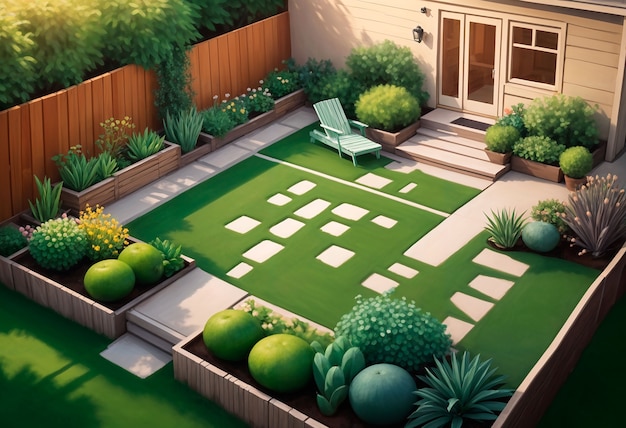
As time goes by, it is important to continually care for and improve your outdoor environment. This process involves keeping your outdoor space in good condition and making any necessary adjustments to ensure it remains visually appealing and functional for your needs.
Regular Maintenance
- Regularly prune plants and trees to promote healthy growth and maintain desired shapes.
- Keep pathways clear of debris and weeds to ensure safe and easy access to different areas of your landscape.
- Monitor irrigation systems to ensure plants are receiving adequate water without wastage.
- Regularly check for pests and diseases, and take appropriate action to prevent damage to your plants.
Updating Your Design
- Consider adding new elements to your landscape design to freshen up the look and meet changing needs.
- Experiment with new plant varieties and colors to create different focal points and add visual interest.
- Update outdoor furniture and decor to reflect current trends and enhance the overall ambiance of your outdoor space.
- Seek professional advice if you are unsure about how to update or modify your landscape design effectively.
Question-answer:
What is the essential first step in creating a landscape design?
The essential first step in creating a landscape design is to assess the site. This involves studying the existing environment, considering factors such as topography, soil quality, sun exposure, and existing plants or structures.
How does assessing the site help in creating a landscape design?
Assessing the site helps in creating a landscape design by providing important information that informs design decisions. For example, knowing the soil quality can help determine suitable plant selections, while understanding sun exposure can influence where different elements of the design are placed.
What are some key factors to consider when assessing a site for landscape design?
Some key factors to consider when assessing a site for landscape design include topography, soil quality, sun exposure, existing plants or structures, drainage patterns, and views. These factors all play a role in shaping the design of the landscape.
Why is it important to consider existing features when creating a landscape design?
Considering existing features when creating a landscape design is important because it helps integrate new elements seamlessly into the existing environment. By working with what is already there, designers can create a cohesive and harmonious design that enhances the overall aesthetic of the space.
How can a well-thought-out assessment of a site benefit the overall success of a landscape design project?
A well-thought-out assessment of a site can benefit the overall success of a landscape design project by providing a strong foundation for design decisions. By understanding the site’s characteristics and constraints, designers can create a design that is both functional and visually appealing, tailored to the specific needs of the space.
What is the essential first step in creating a landscape design?
The essential first step in creating a landscape design is to develop a clear vision and plan for the space. This involves identifying the purpose of the landscape, considering the aesthetic preferences and functional needs of the client, and conducting a thorough site analysis to understand the natural features and environmental conditions of the area.
How important is it to consider the natural features of the site when designing a landscape?
It is crucial to consider the natural features of the site when designing a landscape, as they can greatly influence the overall design and functionality of the space. Factors such as topography, soil quality, sun exposure, and existing vegetation can all impact the success of the design, so conducting a thorough site analysis is essential in creating a sustainable and harmonious landscape.