
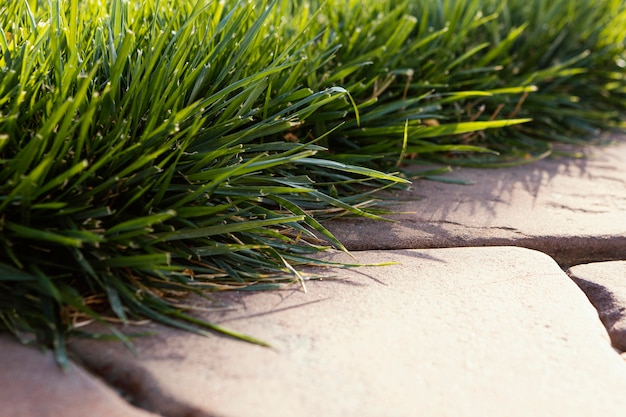
If you’re looking to establish a lush and vibrant lawn in your yard, choosing the right type of grass is crucial. When it comes to Bermuda and Bahia grass, both varieties have their own unique characteristics and benefits. However, if you’re seeking a grass that is better suited for hot and humid climates with good drought tolerance, Bermuda grass may be the best choice for you.
Known for its fine texture, Bermuda grass is highly durable and can withstand heavy foot traffic, making it ideal for areas with high use. It also boasts excellent heat and drought tolerance, thriving in full sun conditions. On the other hand, Bahia grass is a hardy variety that is well-suited for areas with poor soil quality and can handle periods of drought as well.
Ultimately, the decision between Bermuda and Bahia grass will depend on your specific needs and preferences. Consider factors such as climate, soil conditions, and intended use to determine which grass type will thrive best in your lawn. Whichever variety you choose, proper maintenance and care will ensure a healthy and vibrant lawn for years to come.
Comparing Bermuda and Bahia Grass for Your Lawn

When it comes to choosing the best grass for your lawn, Bermuda and Bahia grass are two popular options to consider. Both types of grass have their own unique characteristics and benefits, so it’s essential to make an informed decision based on your specific needs and preferences.
First and foremost, Bermuda grass is known for its lush, dense growth and vibrant green color. It thrives in full sun and can withstand heavy foot traffic, making it an excellent choice for high-traffic areas in your yard. On the other hand, Bahia grass is more tolerant of shade and can handle drought conditions better than Bermuda grass.
Additionally, Bermuda grass requires more frequent mowing and maintenance compared to Bahia grass. If you have the time and resources to dedicate to regular lawn care, Bermuda grass can reward you with a beautiful and well-manicured lawn. However, if you prefer a low-maintenance option, Bahia grass may be a better fit for your needs.
One important factor to consider is the climate in your area. Bermuda grass is well suited for warm climates with mild winters, while Bahia grass can tolerate a wider range of temperatures and is more resistant to cold weather. If you live in a region with extreme temperatures or frequent changes in weather, Bahia grass may be the more practical choice for your lawn.
In conclusion, when deciding between Bermuda and Bahia grass for your lawn, consider factors such as sun exposure, maintenance requirements, climate suitability, and personal preferences. Both types of grass have their own advantages and drawbacks, so it’s essential to weigh your options carefully before making a decision that will ultimately impact the appearance and health of your lawn.
Climate and Soil Requirements
Bermuda grass thrives in warm climates with ample sunlight, making it a perfect choice for regions with hot summers. It requires well-drained soil and can tolerate drought conditions, making it ideal for areas with low water availability.
Bahia grass, on the other hand, is more adaptable to a wide range of soil types and can tolerate acidic soils better than Bermuda grass. It is also more tolerant of shade and can survive in areas with lower sunlight levels.
Conclusion

When choosing between Bermuda and Bahia grass, consider the climate and soil conditions of your region to determine which grass will thrive best in your lawn or landscaping. Bermuda grass is best suited for hot, sunny climates with well-drained soil, while Bahia grass is more versatile and can thrive in a wider range of soil types and light conditions.
Maintenance and Care
For Bermuda grass, it is essential to mow it regularly to keep it healthy and aesthetically pleasing. Make sure to water Bermuda grass deeply but infrequently to encourage deep root growth. Fertilize Bermuda grass with a balanced fertilizer to promote strong and vibrant growth. Keep an eye out for pests and treat them promptly to prevent damage to your lawn.
When it comes to Bahia grass, regular mowing is also important to maintain its appearance and health. Water Bahia grass deeply but less frequently compared to other grass types to promote deep root growth. Fertilize Bahia grass with a nitrogen-rich fertilizer to encourage healthy growth and resilience against pests and diseases.
Both Bermuda and Bahia grass require adequate sunlight to thrive, so make sure to keep your lawn free of any obstacles that may block sunlight. Regularly aerate your lawn to improve soil compaction and ensure proper nutrient uptake for both grass types.
Overall, proper maintenance and care are key to ensuring a lush and healthy lawn, regardless of whether you choose Bermuda or Bahia grass. By following these guidelines, you can enjoy a beautiful and thriving lawn all year round.
Drought Tolerance
When it comes to drought tolerance, Bermuda grass has the upper hand over Bahia grass. Bermuda grass is known for its ability to withstand drought conditions and bounce back quickly once water is available. This makes it a popular choice for areas with limited water resources or during dry seasons.
In contrast, Bahia grass may struggle more during drought periods, requiring more frequent watering to maintain its health and appearance. If you live in an area with hot, dry summers, Bermuda grass may be the better option for you in terms of drought tolerance.
Shade Tolerance
Bermuda grass is known for its excellent shade tolerance compared to Bahia grass. It can thrive in areas with partial sunlight, making it a great choice for yards with trees or buildings that create shade. However, it is important to note that Bermuda grass still requires at least 6 hours of direct sunlight each day to maintain its health and vibrant green color.
On the other hand, Bahia grass is not as shade tolerant as Bermuda grass. It requires full sunlight to grow properly and may struggle in shaded areas. If you have a yard with lots of trees or buildings that block sunlight, Bermuda grass may be a better option for you.
In conclusion, if you have a yard with limited sunlight, Bermuda grass is the better choice due to its superior shade tolerance. However, if your yard receives full sunlight throughout the day, Bahia grass can still be a good option for you.
Traffic Tolerance
For high-traffic areas, Bermuda grass is the better choice due to its superior traffic tolerance compared to Bahia grass. Bermuda grass has a quicker recovery time and can withstand heavy foot traffic, making it ideal for lawns, parks, and sports fields that experience frequent use. Additionally, Bermuda grass has a dense growth habit that helps it bounce back faster from wear and tear caused by constant activity. If you want a lush, green lawn that can handle a lot of activity, Bermuda grass is the way to go.
Recovery Rate
One of the key advantages of Bermuda grass over Bahia grass is its fast recovery rate. Bermuda grass is able to repair damage caused by foot traffic much quicker than Bahia grass, ensuring that your lawn or sports field stays healthy and green even with heavy use. This quick recovery rate makes Bermuda grass a top choice for areas that see a lot of activity.
Dense Growth Habit
Bermuda grass’s dense growth habit also contributes to its superior traffic tolerance. The thick, lush growth of Bermuda grass helps protect the soil and roots from damage, allowing it to withstand heavy foot traffic without showing signs of wear and tear. This dense growth habit makes Bermuda grass an excellent option for high-traffic areas that require a durable and resilient turf grass.
Pest and Disease Resistance
When it comes to pest and disease resistance, Bermuda grass is known for its strong resilience against various common pests and diseases. It has a natural resistance to many insects and fungi, making it a low-maintenance option for homeowners and landscapers.
On the other hand, Bahia grass is also relatively resistant to pests and diseases, although it may be more susceptible to certain pests like chinch bugs. Proper maintenance, including regular mowing and watering, can help prevent pest infestations and disease development in Bahia grass.
In general, both Bermuda and Bahia grass can thrive when properly cared for and maintained. It’s important to regularly check for signs of pests and diseases and take prompt action to prevent their spread. Consider factors such as local climate and soil conditions when choosing between Bermuda and Bahia grass for your lawn or landscape.
Aesthetic Appeal
When it comes to aesthetic appeal, Bermuda grass tends to have a more manicured and lush appearance compared to Bahia grass. Bermuda grass has a finer texture and a more vibrant green color, making it a popular choice for lawns and landscaping where visual appeal is important. On the other hand, Bahia grass has a coarser texture and a lighter shade of green, which may not be as visually appealing to some individuals. Ultimately, if you prioritize aesthetics in your landscaping, Bermuda grass may be the better choice for you.
Cost Considerations
When it comes to comparing Bermuda and Bahia grass, cost considerations are a critical factor to take into account. Bermuda grass is generally more expensive to establish and maintain compared to Bahia grass. The initial cost of Bermuda grass seed and installation can be higher, but it offers a quicker establishment and denser turf, which may lower maintenance costs in the long run.
On the other hand, Bahia grass is more budget-friendly in terms of initial investment. It requires less water, fertilizer, and upkeep compared to Bermuda grass. However, Bahia grass may require more frequent mowing and edging, which can add up to the maintenance costs over time.
In summary, Bermuda grass may have a higher upfront cost, but its superior quality and lower maintenance requirements could result in cost savings in the long term. On the other hand, Bahia grass is a more economical option initially, but its maintenance costs may accumulate over time. Consider your budget and long-term maintenance goals when deciding between Bermuda and Bahia grass for your lawn.
Question-answer:
Which grass is better for high traffic areas, Bermuda or Bahia grass?
When it comes to high traffic areas, Bermuda grass is generally considered to be a better option than Bahia grass. Bermuda grass has a finer texture and better recovery rate, making it more resilient to heavy foot traffic. It is also more tolerant to frequent mowing and has a faster growth rate, which helps it withstand wear and tear better than Bahia grass.
Is Bermuda grass or Bahia grass better for drought tolerance?
When it comes to drought tolerance, Bahia grass is typically considered to be better suited than Bermuda grass. Bahia grass has deeper roots that can access water deeper in the soil, making it more resilient during periods of drought. It is also more adaptable to poor soil conditions and requires less water than Bermuda grass to maintain its health.
Which grass is better for shade areas, Bermuda or Bahia grass?
When it comes to shade tolerance, Bahia grass is usually a better choice than Bermuda grass. Bahia grass has better shade tolerance and can survive in partially shaded areas where Bermuda grass might struggle. However, it’s worth noting that no grass can thrive in complete shade, so both Bermuda and Bahia grass still require some sunlight to grow healthily.
Which grass is easier to maintain, Bermuda or Bahia grass?
In general, Bermuda grass is considered to be easier to maintain than Bahia grass. Bermuda grass has a faster growth rate, which means it can recover quickly from damage and requires less frequent mowing. It also has better pest and disease resistance compared to Bahia grass. However, Bahia grass is more tolerant of poor soil conditions and requires less water, making it a good choice for low-maintenance landscapes.